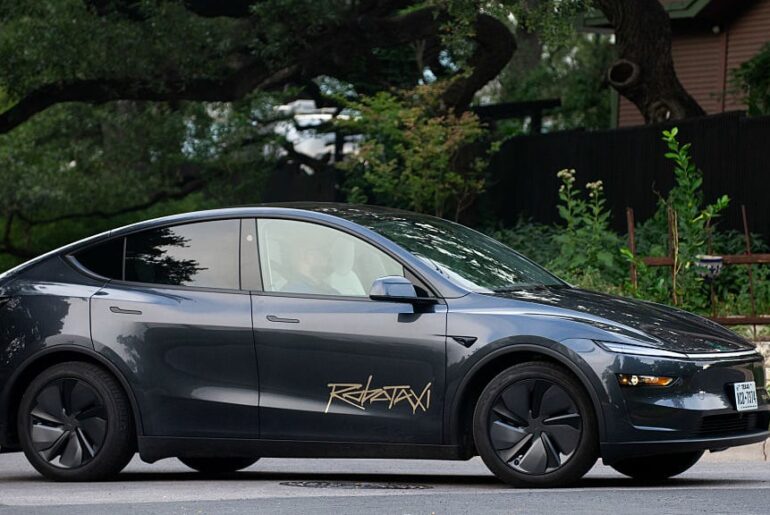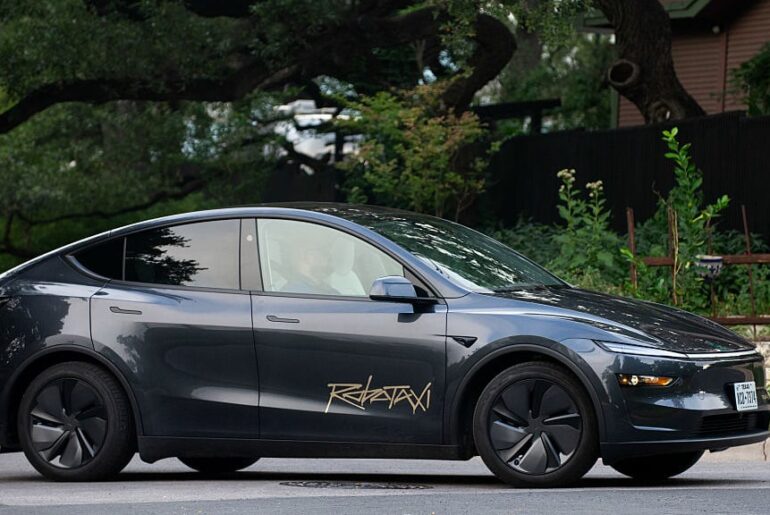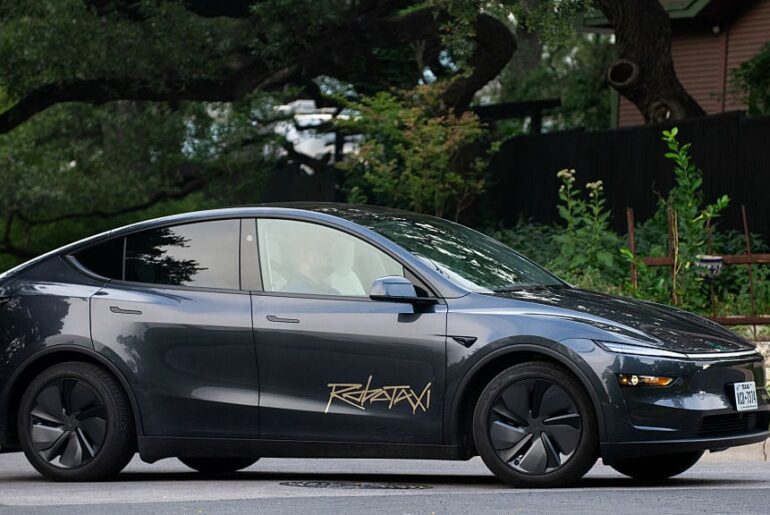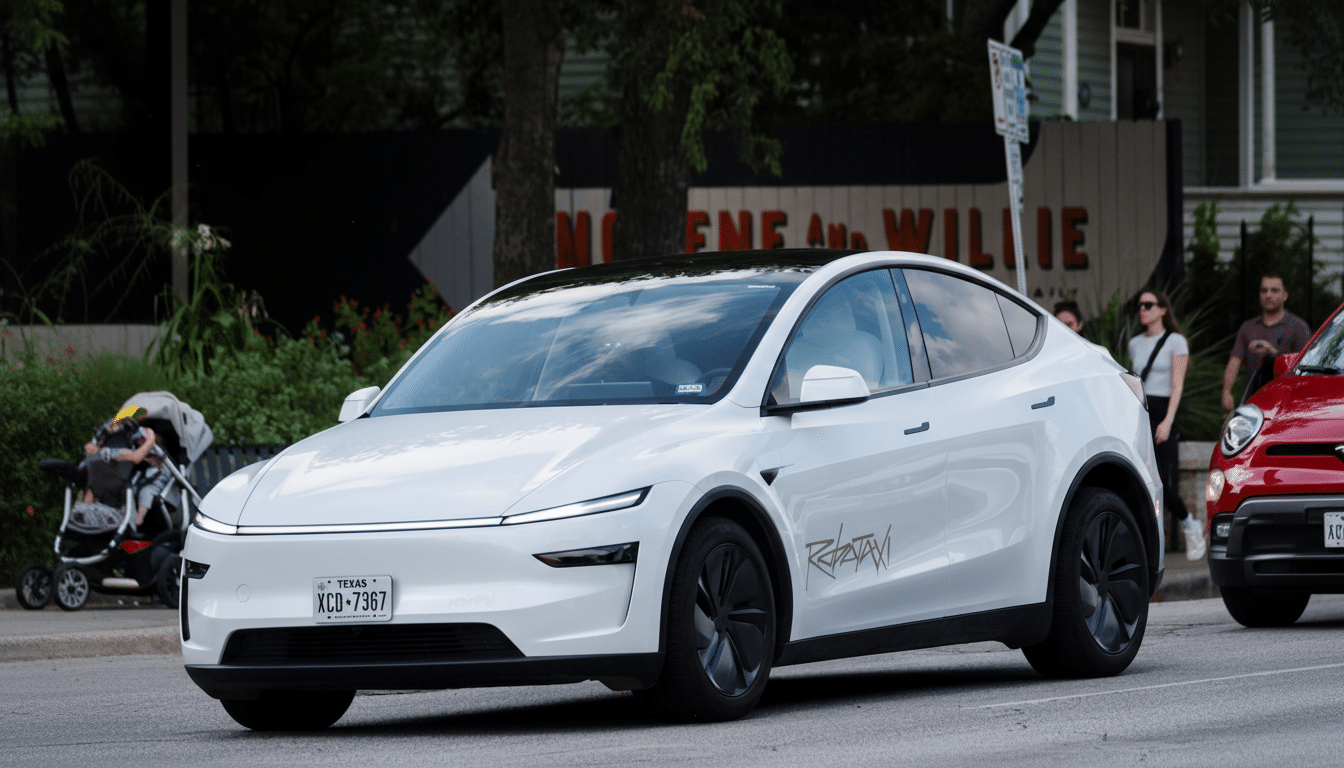
California isn’t rolling out the welcome mat for Tesla’s robotaxis any time soon, and the latest state records make that plain. Despite repeated assurances that approval is around the corner, filings reviewed by Reuters indicate Tesla has logged zero autonomous testing miles on California public roads for years—leaving a wide gap between public promises and the paperwork needed to operate driverless rides for paying passengers.
The data cuts against the narrative that regulators are the only holdup. Instead, the numbers suggest Tesla hasn’t yet completed the foundational, California-specific testing that state agencies expect before greenlighting commercial robotaxi service.
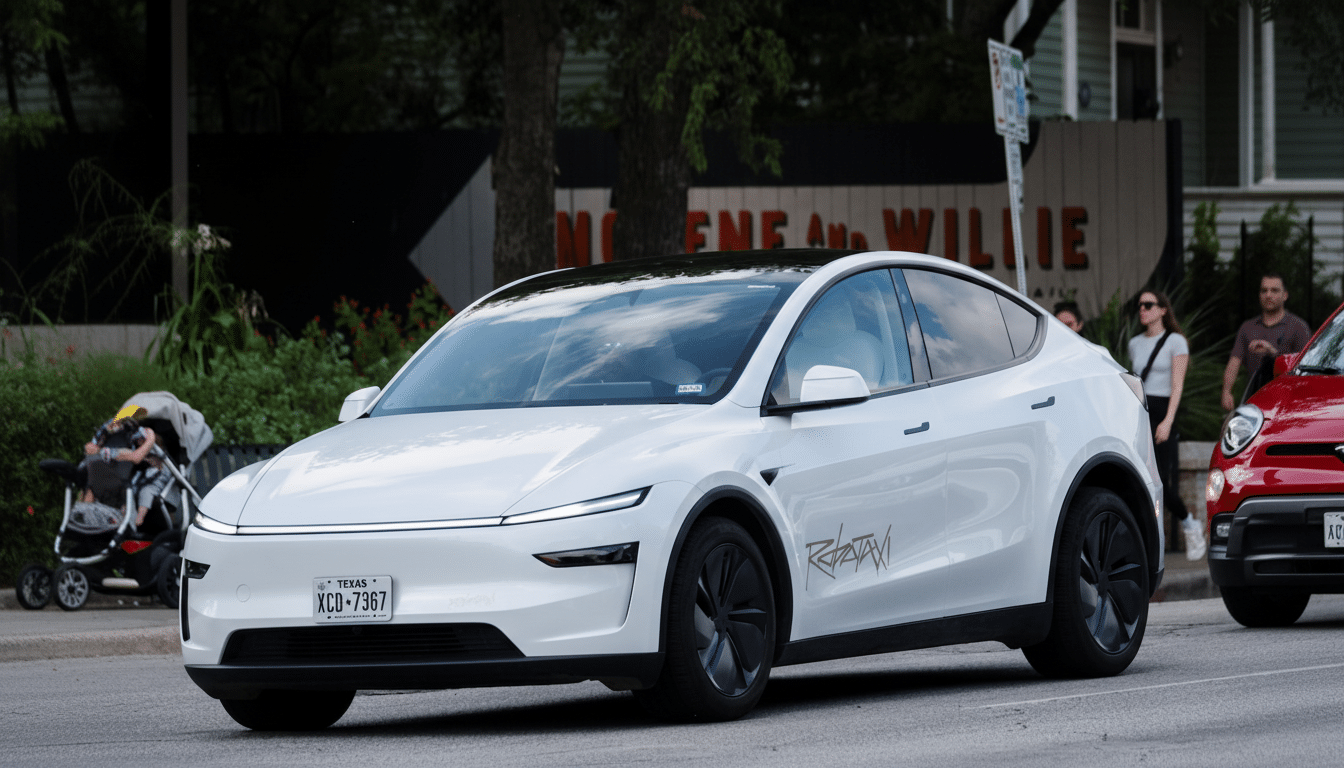
Regulatory Reality Check for California Robotaxis
California’s path to robotaxi deployment runs through two agencies and multiple steps. The Department of Motor Vehicles oversees autonomous vehicle testing and driverless operation permits, while the Public Utilities Commission governs whether companies can carry passengers for compensation. Together, they require substantial in-state testing and transparent safety reporting before a company can charge fares without a human behind the wheel.
According to state DMV records cited by Reuters, Tesla has not reported any autonomous testing miles in California for several consecutive reporting cycles. That’s notable because the state expects extensive supervised testing on public roads—with disengagement disclosures and safety driver oversight—before considering driverless operation. Reuters also reported that California is preparing to require roughly 50,000 miles of supervised autonomous driving in-state as a threshold for a driverless service application, underscoring how far Tesla’s California program appears to be from the goal line.
Even after DMV permits, the CPUC’s ride-hailing authorization adds another gate, often requiring demonstrated performance, incident reporting, and geographic restrictions. In short: getting a revenue-generating robotaxi on California streets demands a deep, local testing record that regulators can scrutinize.
The Gap Between Promises and Preparedness
Tesla’s leadership has framed California’s robotaxi launch as a matter of regulatory timing. But the public record tells a different story. Without reported autonomous testing miles, there’s little evidence the company has met the state’s prerequisite steps. That mismatch prompted one leading legal scholar—Bryant Walker Smith of the University of South Carolina—to tell Reuters that while Tesla implies regulators are dragging their feet, “regulators are ready, and they are not.”
The stakes extend beyond compliance. California’s scrutiny intensified after high-profile incidents involving other operators, raising the bar for data transparency, incident response, and operational playbooks. Any company absent a rich corpus of California data—miles driven, disengagements, near-miss analytics, collision investigations—faces a long on-ramp to confidence-building with state officials and the public.
How Rivals Cleared the Regulatory Bar in California
Consider Waymo’s trajectory. Reuters notes the company amassed more than 13 million testing hours in California over the last decade before welcoming commercial driverless riders. That volume of supervised and then rider-only experience—tracked, audited, and repeatedly stress-tested—became the evidence base regulators needed to scale up permissions.
Cruise’s hard reset after its San Francisco suspension also reshaped expectations. The lesson: access can be expanded or revoked based on operational rigor, incident handling, and candor with state agencies. For Tesla, that means any California bid will be measured against what the state has already demanded—and learned—from earlier entrants.
Investor Hopes Versus Operational Hurdles
Tesla has positioned robotaxis as a major growth lever, highlighting plans to launch driverless services in several non-California markets, including Dallas, Houston, Phoenix, Miami, Orlando, Tampa, and Las Vegas. The company’s case to investors increasingly leans on software-led margins and network effects from autonomous ride-hailing.
Yet California remains a bellwether. It concentrates tech-savvy riders, tough regulators, and dense, complex driving environments that stress autonomy stacks. That mix can forge durable advantages—but only for players that clear the data and safety thresholds. Thomas Monteiro of Investing.com has characterized Tesla as being in a transition, with markets being asked to look past immediate volatility to future autonomy revenue. In California, that future still hinges on miles, metrics, and methodical validation.
What the Data Means Now for Tesla Robotaxis in California
Strip away the hype cycle, and the signal is straightforward: no California autonomous testing record, no near-term California robotaxis. The DMV and CPUC aren’t waiting on slogans; they are waiting on state-specific evidence—tens of thousands of supervised miles, consistent disengagement reporting, incident transparency, and robust operational playbooks.
Until Tesla builds that California dossier, the state’s streets will remain closed to its driverless robotaxis, regardless of launches elsewhere. In autonomy, road miles are the currency of credibility—and right now, California’s ledger for Tesla reads zero.