BYD has been spotted conducting internal testing of its megawatt-level flash charging network in Shenzhen, following earlier leaks revealing a 1,500 kW charging system and a dedicated Flash Charging app. On-site participants shared images of a demonstration station near BYD’s headquarters configured with next-generation high-power cabinets.
The site layout resembles a fuel forecourt, equipped with liquid-cooled charging guns and T-shaped gantry structures. Previously leaked nameplate images published by CarNewsChina showed peak output ratings of up to 1,500 kW and a current capability of 1,500 A, built around a 1,000 V electrical architecture. During the latest testing session, access appeared limited to vehicles carrying a “Flash Charge” rear badge, including upcoming BYD Tang 9, Song Ultra, Seal 07, Denza Z9 GT and FCB Tai-series models. Chargers were reportedly restricted to vehicles capable of accepting more than 1,000 kW of input power, with automatic charging cut off at 97% state of charge.
Screenshots circulating from early users show that the Flash Charging app is already live on Android. The interface allows nearby station search and supports automatic plug-and-charge activation. Once enabled, charging reportedly begins within approximately 10 seconds after plug-in without QR code scanning. Sesame Credit integration was also visible in earlier leaked screenshots.
Displayed pricing at the demonstration site was 1.3 yuan per kWh, split between 1.0 yuan for electricity and 0.3 yuan for the service fee. This equals approximately 0.18 USD per kWh. Buyers of compatible flash-charge vehicles are reportedly eligible for 1,000 kWh of free electricity annually, though formal policy documentation has not yet been published.
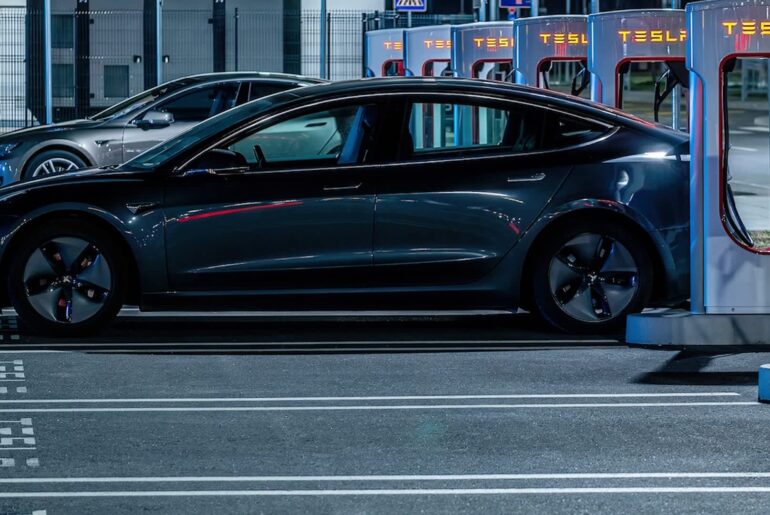
In comparison, Chinese media reports confirm that Tesla’s V4 Superchargers deployed in China support up to 500 kW peak power for passenger vehicles, while most public DC fast chargers nationwide remain concentrated in the 250–600 kW range. The 1,360–1,500 kW hardware referenced in leaks would represent roughly three times Tesla’s current 500 kW peak level and more than double the upper end of the mainstream 600 kW public charging band.
Earlier reporting indicated BYD may target over 4,000 self-operated flash charging stations nationwide, with broader cooperation networks potentially exceeding 15,000 locations, including partners such as XiaoJu Charging. No official nationwide deployment schedule has been formally announced.
The current phase remains internal testing. Verified operational metrics, including sustained peak power curves, five-minute range recovery data, and large-scale rollout timelines, are expected to be disclosed at a future launch event.
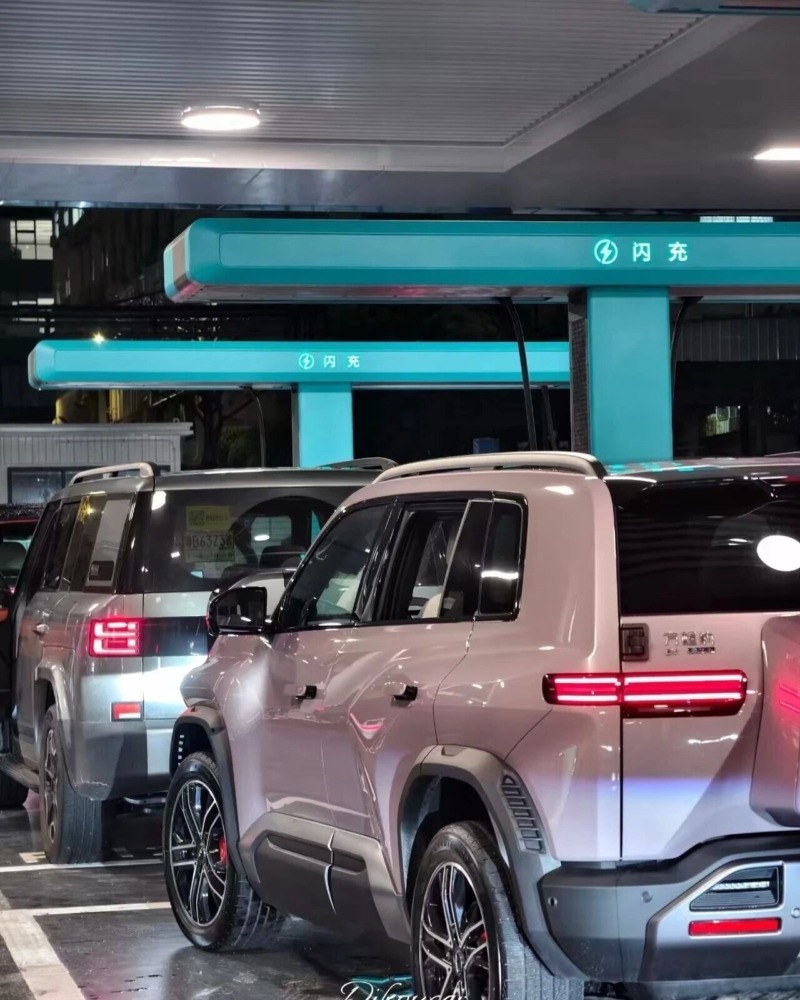
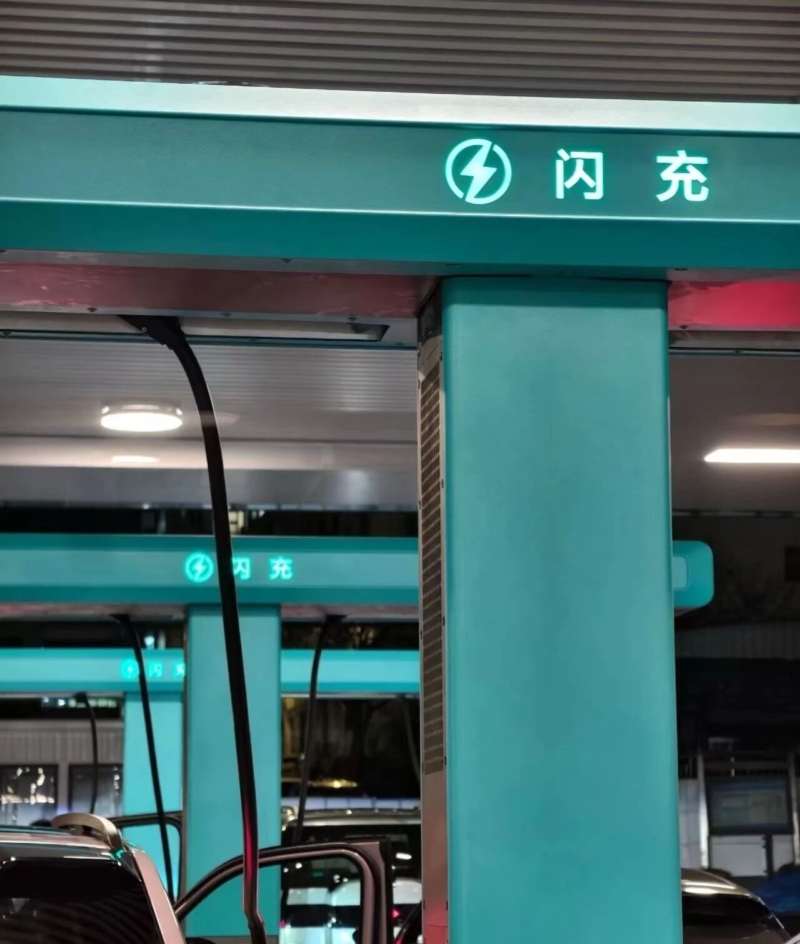
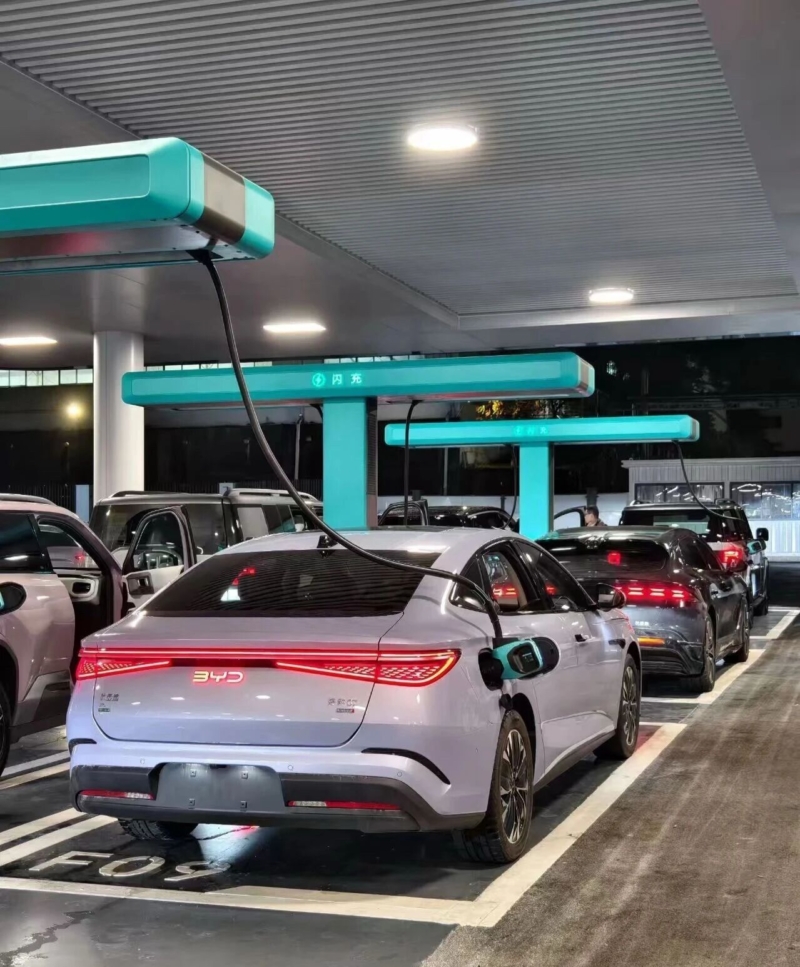
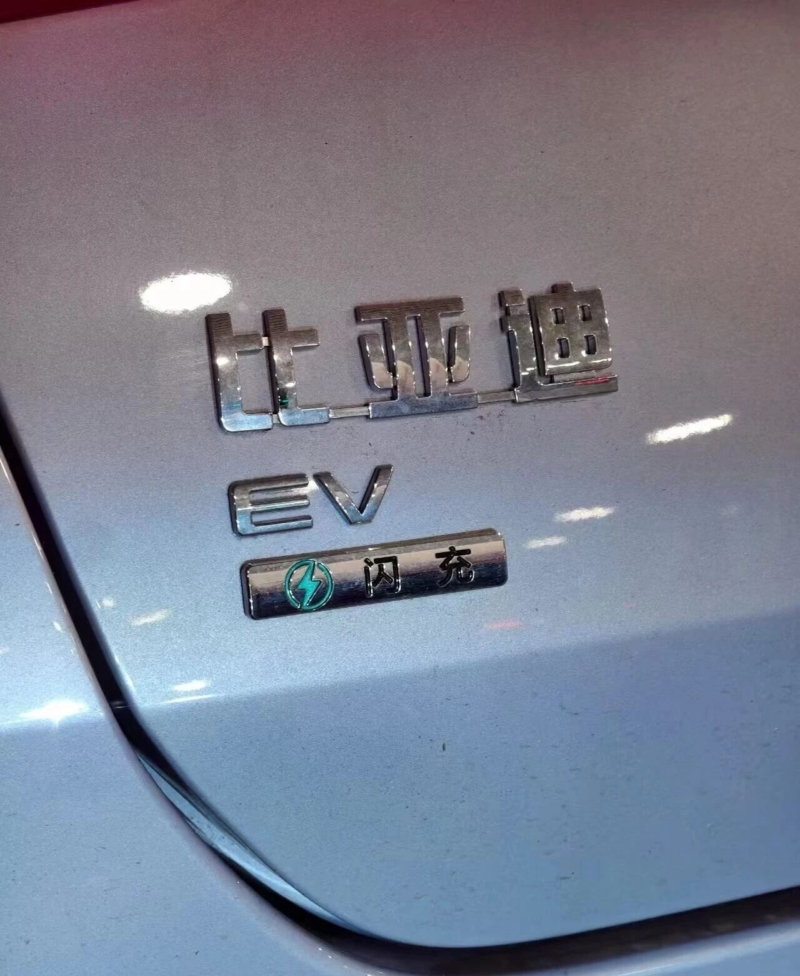
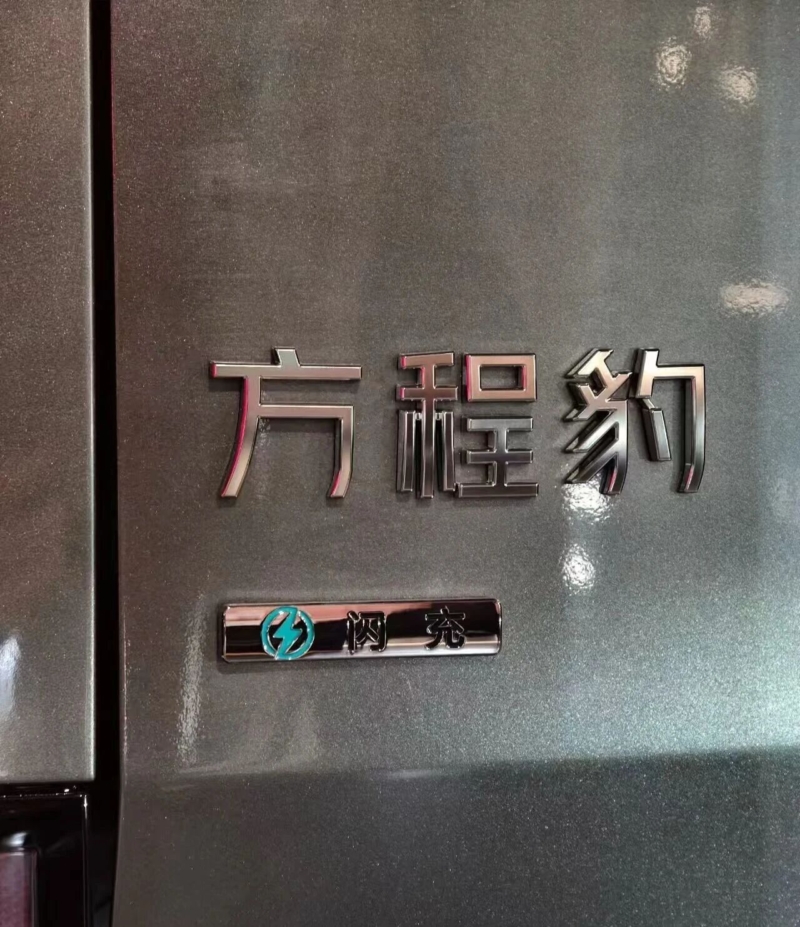
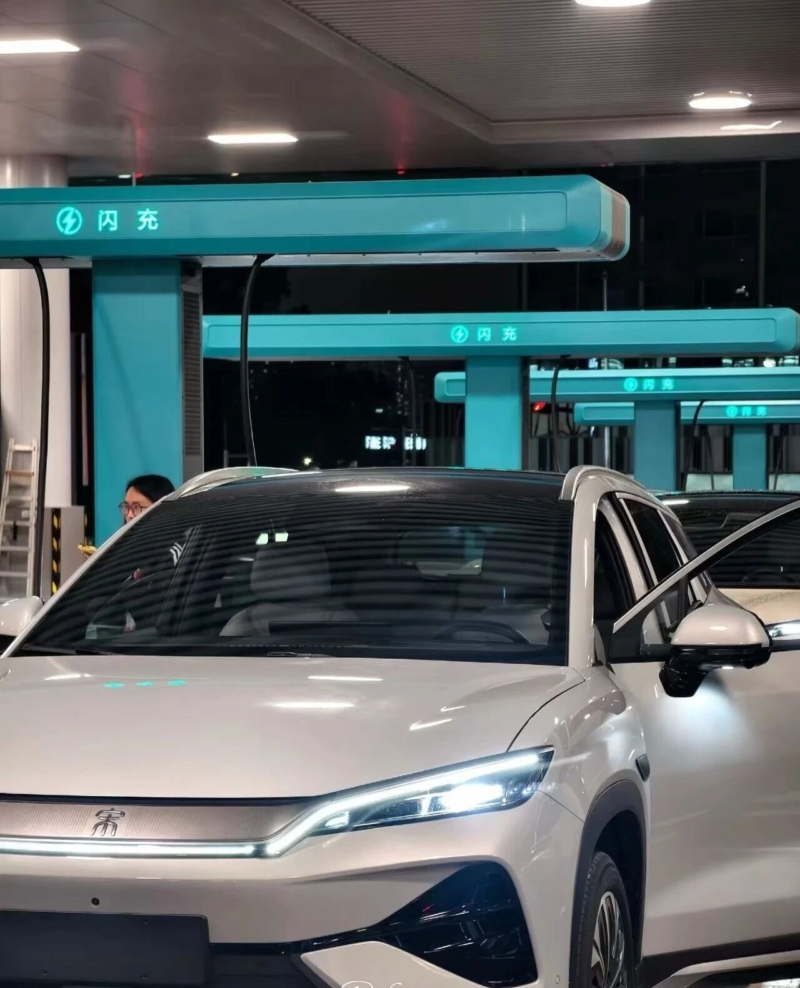
A 1500 kW liquid-cooled charging gun was observed at the Shenzhen demonstration site.

We’ll send you a weekly summary in your e-mail. No spam. Unsubscribe with one click.
Thank you! Your submission has been received!
Oops! Something went wrong while submitting the form.