
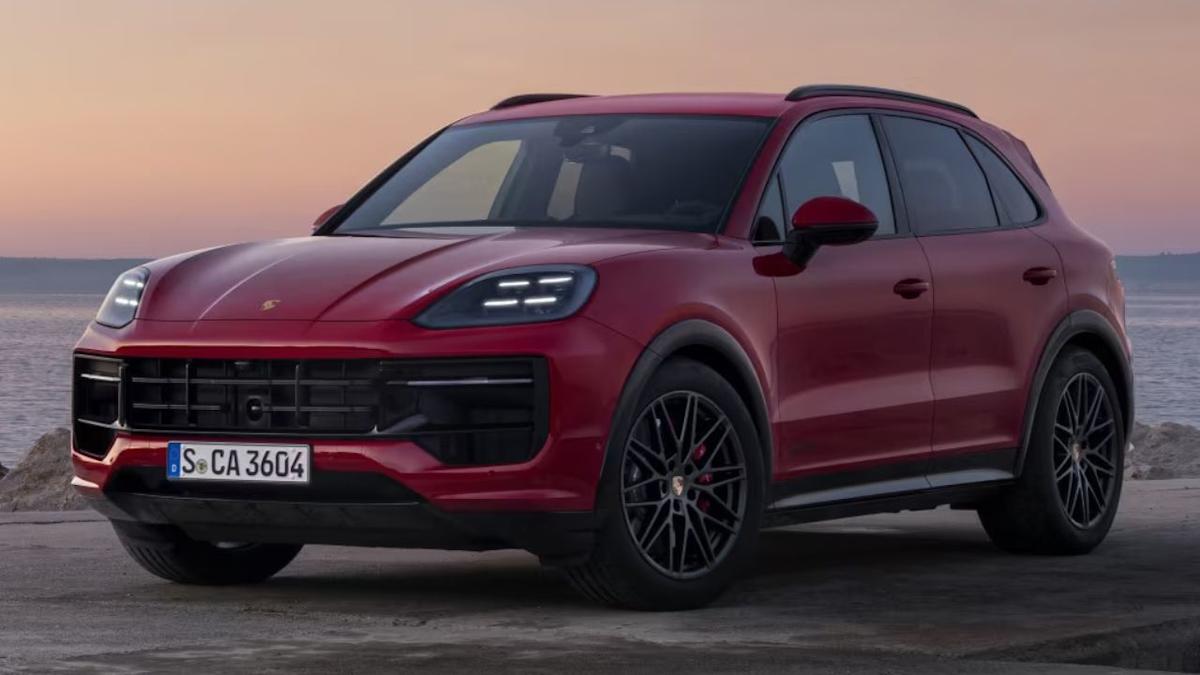
Porsche is getting ready to step into a part of the SUV market it has never directly targeted before, with an all-new three-row luxury model internally known as K1. The Stuttgart brand already has the Macan and Cayenne, but this upcoming flagship is intended to compete in the highly profitable full-size, three-row SUV category, the space dominated by vehicles like the BMW X7 and Mercedes GLS in global markets. Reports indicate the K1 will be positioned as Porsche’s largest and most premium SUV to date.
Prototypes wrapped in heavy camouflage have been spotted for some time, and earlier expectations suggested the K1 would be an EV-only product. That plan has reportedly shifted. As demand growth for EVs has cooled in key markets, Porsche is now said to be prioritizing combustion and hybrid versions first, with a fully electric variant coming later rather than leading the launch.
A Shared Foundation With The Upcoming Audi Q9
According to reporting from Autocar that has been echoed across multiple outlets, Porsche’s K1 will share its mechanical foundation with the upcoming Audi Q9, a new flagship SUV expected to become Audi’s largest combustion model.
Both models are expected to use Volkswagen Group’s Premium Platform Combustion, or PPC, a modular architecture designed around internal combustion and electrified powertrains. That matters because it suggests these vehicles are being engineered from the outset for a mix of gasoline and plug-in hybrid drivetrains, rather than being adapted from an EV platform.
For Porsche, sharing hardware with Audi is not just a cost play. It is a way to accelerate development timing while still leaving room for the brand to deliver its own tuning, interior execution, and driving character.
Gasoline and Plug-In Hybrid Power Is Expected To Lead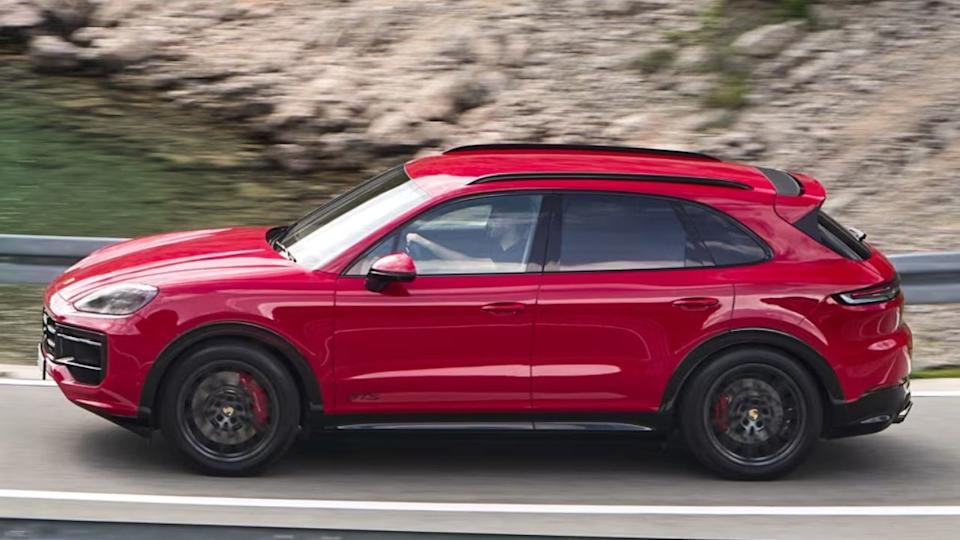
Photo Courtesy: Autorepublika.
Early reports point to familiar Volkswagen Group engines being part of the plan. That includes a turbocharged V6 around 183 cubic inches and a turbocharged V8 around 244 cubic inches, along with a next-generation plug-in hybrid setup expected to deliver meaningful electric-only driving capability for local use while retaining long-distance flexibility.
The key point is strategic flexibility. Porsche appears to be building the K1 program around parallel development paths, allowing it to offer gasoline, plug-in hybrid, and eventually full EV versions depending on market demand and regional regulations.
Timing Points To Audi First, Porsche after.
Photo Courtesy: TY Lim / Shutterstock.
Audi’s Q9 is widely expected to surface first, with reporting pointing to a 2026 debut window for Audi’s full-size, three-row flagship.
Porsche’s K1 is then expected to follow later. Several reports now suggest the combustion and hybrid K1 could arrive around 2028, roughly a year after the Q9 reaches the market in some form, although exact timing remains unconfirmed.
What This Means For Porsche’s SUV Lineup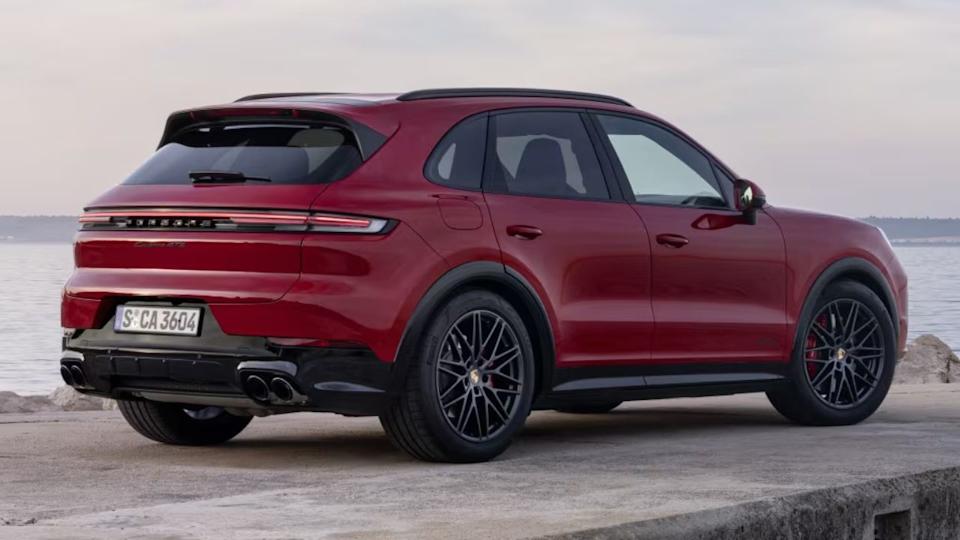
Photo Courtesy: Autorepublika.
When K1 arrives, Porsche would effectively have three SUV lines spanning very different roles. Macan remains the compact entry point, Cayenne continues as the brand’s established midsize luxury performance SUV, and K1 would become the space-focused flagship aimed at families who want three rows without leaving the Porsche ecosystem.
If Porsche executes the usual way it does, the K1 is unlikely to be just a bigger box with a crest on the hood. The whole point will be translating Porsche driving character and premium design into the brand’s most demanding format yet, a three-row SUV that has to deliver comfort, luxury, and day-to-day usability while still feeling like a Porsche from behind the wheel.
This article originally appeared on Autorepublika.com and has been republished with permission by Guessing Headlights. AI-assisted translation was used, followed by human editing and review.
Read More
12 Pickup Trucks That Are Totally Worth the Money
SUVs That Will Last at Least 15 Years (No Problem!)