Follow us today…


Moving a vehicle from a less dense urban environment to the heart of Manhattan often presents logistical hurdles, but for one Tesla Cybertruck owner, the transition has become a full-blown ownership crisis.
The unique dimensions and controversial nature of the Cybertruck are colliding head-on with the realities of New York City’s infrastructure and insurance market, leaving an owner stranded with an uninsurable and unparkable $80,000+ vehicle.
This situation reveals a growing disconnect between ambitious EV designs and the practicalities of urban integration.
The owner, Atul Sharma, shared his predicament on social media, stating:
“Guys, I recently moved to Manhattan from Queens, and I’m really frustrated because first Geico and then Liberty Insurance dumped my Cybertruck, saying it’s an “Unbindable” vehicle and they won’t insure it, and none of the other auto insurance companies will accept me. Now, to rub salt in the wounds, none of the parking garages accept Cybertrucks because apparently, Tesla and Elon sued every parking garage here, and as retaliation, they don’t accept Cybertrucks. This is so messed up. I can’t park my CT on the street because there is no parking everywhere.”
Sharma’s experience with insurance carriers labeling the Cybertruck as “Unbindable” points to a systemic issue beyond individual company policies. This isn’t merely a refusal to quote; it suggests a classification by the insurance industry that deems the vehicle too high-risk or too unconventional to underwrite under standard policies. The unique stainless steel exoskeleton, the sheer mass, and the limited repair network for such a novel design likely contribute to this reluctance, pushing the vehicle into a category that few insurers are equipped or willing to handle.
Tesla Cybertruck: NYC Ownership Challenges and Costs
The Tesla Cybertruck measures 223.7 inches long and 86.6 inches wide with mirrors folded, making it significantly larger than many conventional full-size trucks. These dimensions pose considerable challenges for parking in dense urban environments like Manhattan, where spaces are often designed for smaller vehicles.
The vehicle’s stainless steel exoskeleton, while durable, presents unique repair challenges and costs. Specialized tools and training are required for bodywork, which contributes to higher insurance premiums and a limited network of qualified repair facilities.
The Cybertruck’s unladen weight exceeds 6,600 pounds for some configurations, classifying it as a heavy-duty truck. This weight can impact bridge and tunnel tolls, as well as parking garage weight limits, further complicating urban accessibility.
First deliveries of the Cybertruck began in late 2023, meaning there is limited long-term data on its real-world reliability and repair frequency. This lack of historical data contributes to insurers’ hesitancy and the high premiums quoted for early adopters.
The notion that New York State itself might have placed the Cybertruck on an “Unbindable” list, as Sharma was reportedly told by State Farm, is a significant and alarming claim. If true, this indicates a regulatory or industry-wide assessment of the vehicle’s risk profile that transcends individual insurer discretion. Such a designation would effectively ban the vehicle from being legally operated on public roads within the state, making ownership impossible for most. This would be a stark warning to any manufacturer pushing the boundaries of conventional vehicle design without adequate consideration for real-world regulatory and insurance frameworks.
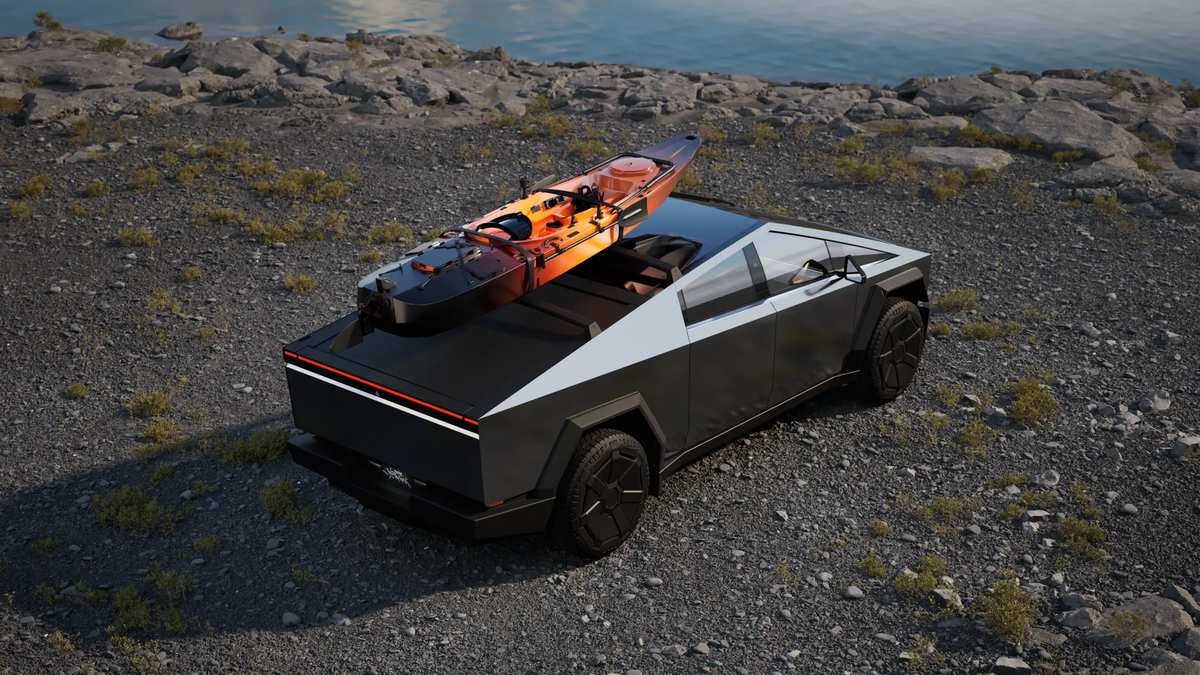
Adding insult to injury, Sharma’s claim that Manhattan parking garages are universally rejecting Cybertrucks due to a retaliatory measure against Tesla and Elon Musk is a wild card. While the vehicle’s massive footprint (223.7 inches long, 86.6 inches wide with mirrors folded) certainly makes it challenging for older, tighter NYC garages, the idea of a coordinated ban based on legal disputes is unprecedented. This suggests a breakdown in relations that extends beyond practical constraints, hinting at a deeper, more personal conflict between the automotive giant and local businesses.
Clint Byrne, another Cybertruck owner, weighed in on the insurance dilemma, suggesting State Farm as a potential solution: “State Farm! They were great for me in Brooklyn. The lot thing is infuriating. I was thinking about getting commercial plates and parking at meters in Manhattan instead of the garages, but it’s asinine.”
However, Sharma’s follow-up confirmed that even State Farm declined coverage, citing the alleged “New York State Unbindable list.” This exchange solidifies the severity of the insurance problem, indicating that traditional avenues for coverage are closed. The suggestion of commercial plates and meter parking, while creative, shows the desperate measures owners are contemplating to circumvent the vehicle’s inherent incompatibility with urban infrastructure. This is not a solution for a personal vehicle; it’s a workaround that fundamentally alters the ownership experience.
The sheer impracticality of owning a vehicle that cannot be insured or legally parked in a major metropolitan area raises serious questions about consumer due diligence and manufacturer responsibility. While buyers are expected to research local regulations, the idea that a production vehicle could be rendered effectively unusable by an entire state’s insurance market is a failure on multiple fronts. Tesla, known for its disruptive approach, must anticipate and address these real-world challenges, not just technical specifications.
Christine Enea Yeranossian offered another common suggestion: “Try Progressive.”
To which Sharma replied: “Christine Enea Yeranossian, I did. They quoted me $1393/month.”
A monthly insurance premium of $1,393, over $16,700 annually, is not merely expensive; it is prohibitive. This figure, likely a reflection of the Cybertruck’s high repair costs, unique materials, and the absence of established actuarial data, effectively prices the vehicle out of the market for most consumers. It serves as a stark reminder that the total cost of ownership extends far beyond the purchase price, particularly for vehicles that deviate so dramatically from industry norms. This is a clear signal from the insurance industry: the Cybertruck, in its current form, is a financial liability.
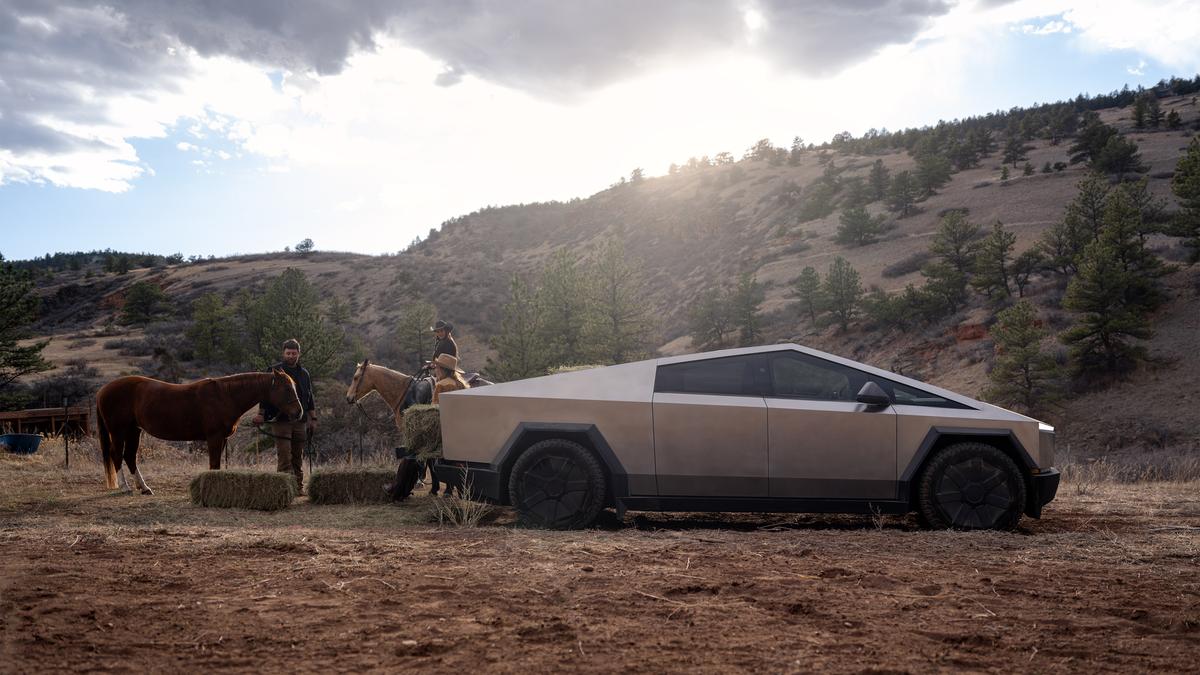
This entire saga exposes a significant flaw in the Cybertruck’s market positioning, particularly for urban environments. A vehicle designed to be a futuristic, rugged utility machine is proving to be a liability in the very places where many Tesla owners reside. The combination of insurance blacklisting, parking prohibitions, and exorbitant premiums paints a grim picture for any Cybertruck owner attempting to navigate the complexities of city living. It is a harsh lesson in the real-world consequences of pushing design and engineering boundaries without fully considering the broader ecosystem of vehicle ownership.
The Cybertruck, with its bold design and unconventional construction, has clearly outpaced the ability of the insurance industry and urban planning to adapt. Until these fundamental issues are addressed, the Cybertruck will remain a niche vehicle, largely confined to areas where its unique challenges are less impactful, leaving urban owners in an unenviable and expensive bind.
Image Sources: Tesla Media Center
Noah Washington is an automotive journalist based in Atlanta, Georgia. He enjoys covering the latest news in the automotive industry and conducting reviews on the latest cars. He has been in the automotive industry since 15 years old and has been featured in prominent automotive news sites. You can reach him on X and LinkedIn for tips and to follow his automotive coverage.
Follow us today…