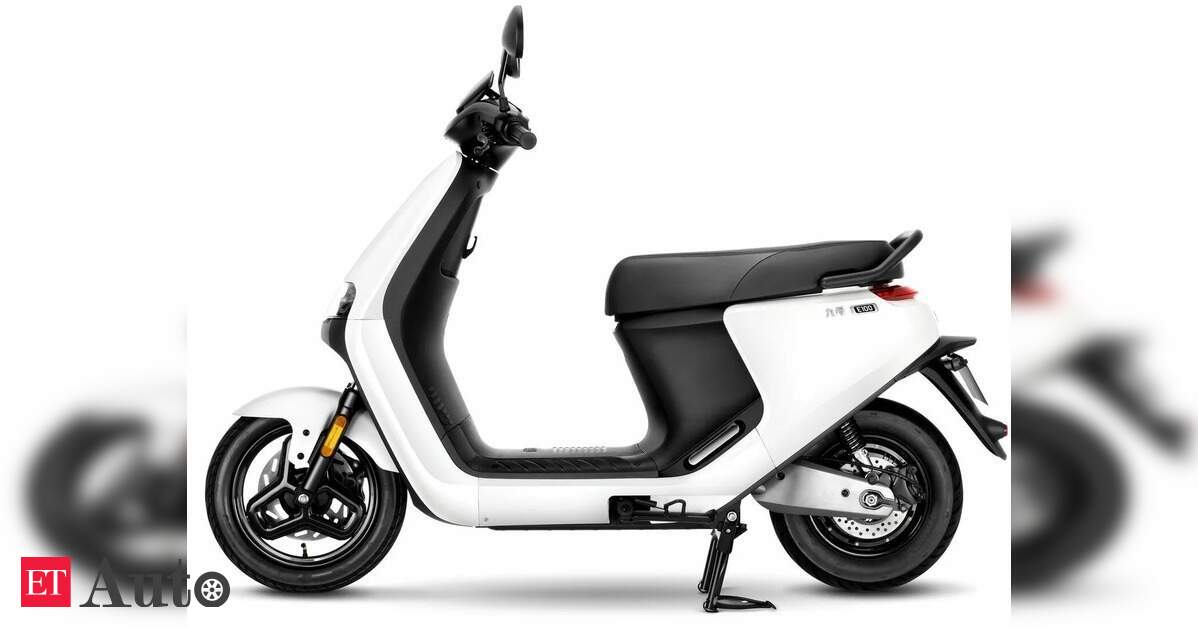
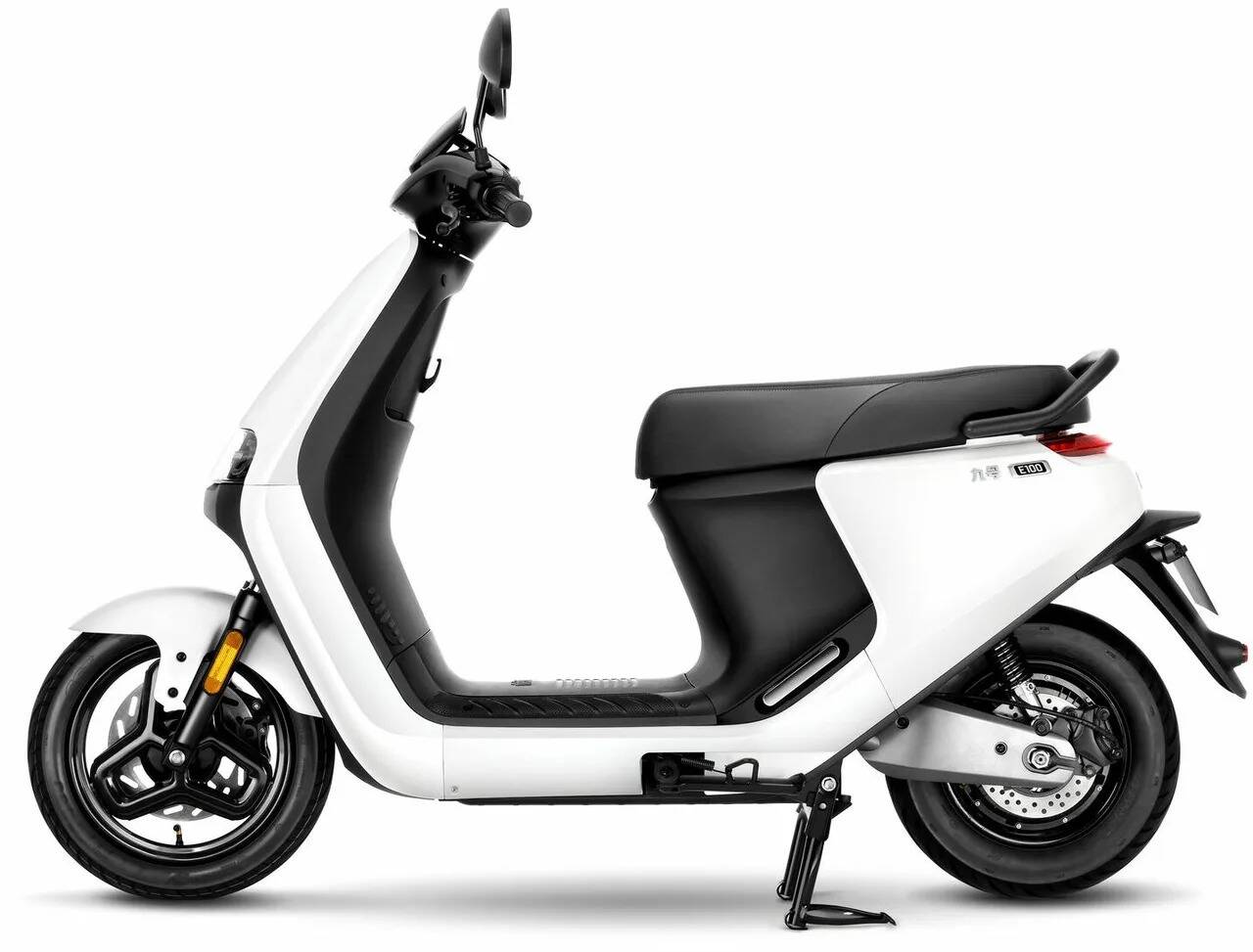
 Auto PLI scheme has helped approved applicants scale production but has also contributed to a steep decline in growth among non-PLI manufacturers.
“>The Auto PLI scheme has helped approved applicants scale production but has also contributed to a steep decline in growth among non-PLI manufacturers.The Auto PLI scheme has altered competitive dynamics and created structural disadvantages for non-PLI manufacturers, according to a report by the Centre for Digital Economy Policy Research (C-DEP).
The Auto PLI scheme has helped approved applicants scale production but has also contributed to a steep decline in growth among non-PLI manufacturers. Their growth fell from +407 per cent in FY2022 to –33 per cent in FY2024, and further to –11 per cent in FY2025, the report said.
PLI-approved companies are estimated to benefit from a 13–16 per cent cost advantage, which the study states has encouraged aggressive pricing and expansion. C-DEP notes that the differential is influencing market structure, with PLI beneficiaries increasing their domestic share while innovation-driven manufacturers are being marginalised despite their early contributions to the sector.
The report states that electric two-wheelers now account for nearly 6 per cent of India’s total two-wheeler sales, supported by schemes such as PM E-DRIVE and FAME, alongside broader policy support.
Exports, innovation and market concentration concerns
The study finds a significant gap in export performance. Non-PLI models account for 77 per cent of India’s electric two-wheeler exports, while PLI-approved models contribute less than one-fourth, despite the cost benefit. C-DEP warns that PLI beneficiaries are using their advantage to strengthen domestic presence rather than develop export-ready platforms.
The report notes the risk of India losing long-standing export markets in Nepal, Latin America and Africa to Chinese companies as global demand shifts towards electric mobility.
Innovation activity remains concentrated outside the PLI framework, particularly in segments such as electric motorcycles and low-speed delivery scooters. Although motorcycles make up about 65 per cent of India’s two-wheeler market, electric penetration in the segment remains around 0.1 per cent. The study observes that several PLI beneficiaries have not invested in these more complex areas, leaving the development effort to non-incentivised start-ups.
Inactive beneficiaries and fiscal deployment gaps
Out of nine PLI-approved electric two-wheeler OEMs, only four are currently producing and selling vehicles. The report states that Hop Electric, Axis Clean Mobility, Booma Innovative Transport Solutions and Elest have not produced any PLI-approved models to date. Hop Electric recorded 289 sales in FY2024–25 and Booma 935, while Axis and Elest reported zero sales.
C-DEP notes that inactive participants are occupying fiscal space within the scheme’s total outlay of ₹25,938 crore. By December 2025, only ₹2,321.94 crore had been disbursed against a cumulative target of ₹3,754 crore, amounting to 9 per cent of the total outlay against an expected 14.47 per cent.
The interaction between Auto PLI and PM E-DRIVE incentives has further concentrated advantages among a limited number of OEMs, accelerating consolidation.
Recommendations for course correction
The report proposes several measures to strengthen long-term competitiveness:
A targeted window for innovation-driven OEMs with strong localisation under PM E-DRIVE’s Phased Manufacturing Programme.A first-come-first-served mechanism to prevent inactive players from holding approvals and fiscal space.Additional 3–5 per cent incentives for difficult-to-electrify segments such as electric motorcycles.Regular performance reviews to phase out non-performing beneficiaries and reallocate resources.Jaijit Bhattacharya, President of C-DEP, said the industry is at a stage where technological diversity and innovation must be treated on par with scale. He noted that the scheme, while useful for ramping up production, risks disadvantaging companies investing heavily in research and development.
Published On Feb 27, 2026 at 07:49 PM IST
Join the community of 2M+ industry professionals.
Subscribe to Newsletter to get latest insights & analysis in your inbox.
All about ETAuto industry right on your smartphone!