More and more families are considering buying an electric bike for their teenagers.
Whether in bike-friendly states like California or in more spread-out suburban areas like Texas, e-bikes are becoming a new option for teens’ daily transportation. But for parents, what truly matters isn’t the trend—it’s three core questions: Is it safe? Is it healthy? And is it worth the investment?
Safety: The Biggest Concern for Parents
First, it must be acknowledged that electric bikes are indeed faster than traditional bicycles. Most teen e-bikes sold in the U.S. fall under Class 1 or Class 2, with a top speed of around 20 mph. This speed is manageable on neighborhood roads, but if a teen lacks traffic awareness and judgment, the risk increases.
Never miss new stories in Harlem
What truly determines safety is not whether the bike has a motor, but three key factors: the riding environment, the teen’s maturity level, and the rules set by parents.
If a teen mainly rides within the neighborhood, on bike paths, or in parks, the risk is far lower than riding on major roads. Parents can significantly reduce risks by setting speed limits, defining riding boundaries, and requiring helmet use.
The e-bike itself is not the danger—lack of rules is.


Will It Make Teens Lazy?
Many parents worry: “If there’s motor assistance, will my child still get exercise?”
In fact, Class 1 e-bikes require pedaling to activate the motor. The assist function simply reduces the difficulty of climbing hills or riding long distances—it doesn’t mean teens stop moving. On the contrary, in places like Colorado, where terrain can be hilly, electric assist often helps teens ride longer and more frequently.
Actually, the teens who use e-bikes tend to ride farther and more often because they are less likely to give up due to physical fatigue.
It doesn’t replace exercise—it lowers the barrier to exercise.
Independence: A Critical Stage of Growth
American culture strongly values independence. E-bikes provide teens with a form of “controlled freedom.”
They can ride to a friend’s house, the local library, or sports practice without fully relying on parents for rides. Compared to a car, the cost is much lower. Compared to walking, the range is greater. Compared to a scooter, it offers more stability.
For families living in suburban areas, this type of transportation is especially valuable.
An e bike often becomes a transitional tool toward adult independence.
The Practical Question: Is It Worth the Money?
A teen e-bike typically costs between $800 and $1,500. Naturally, parents will ask: Is it worth it?
Compared to buying a car, paying for gas, insurance, and maintenance, an e-bike’s long-term costs are minimal. Charging may only cost a few dollars per month, and maintenance is relatively simple.
The key isn’t just the price—it’s how often it’s used. If your teen only rides occasionally, it may not feel worthwhile. But if it replaces some car rides and increases outdoor activity, the long-term value becomes clear.
Psychological and Social Impact
Adolescence is a critical period for building identity and developing social skills. Teens want acceptance from peers and also desire a certain level of independence. An e-bike expands their activity radius, making it easier to participate in daily social interactions—such as going to a classmate’s house to study, meeting friends at the local basketball court, or riding together at the park on weekends. The ability to “get there on their own” significantly boosts confidence and sense of control.
Riding also has natural social elements. Teens share routes, compare gear, and talk about riding techniques. A shared interest strengthens peer relationships. For more introverted teens, riding together can be a low-pressure way to socialize—there’s no need for constant face-to-face conversation. Communication happens naturally while riding side by side.
Legal Considerations: What Parents Must Know
In the United States, e-bikes are generally divided into three classes:
Class 1: Top assisted speed of 20 mph. Pedal assist only—must pedal to activate the motor. No throttle.
Class 2: Top speed of 20 mph. Equipped with a throttle, allowing the motor to operate without pedaling, and typically also includes pedal assist.
Class 3: Top assisted speed of 28 mph. Pedal assist only. No throttle.
Some states restrict minors from using Class 3 e-bikes. Regulations may vary in states like Florida and New York. Parents should check their local traffic laws to confirm age limits, helmet requirements, and permitted riding areas. Understanding the law is the first step in being responsible.
When It May Not Be a Good Idea
You may want to reconsider if your teen:
Displays impulsive behavior
Lacks basic traffic awareness
Lives in an area with heavy traffic and no bike lanes
Cannot be effectively supervised
An e-bike amplifies behavior outcomes. A disciplined teen gains freedom. An undisciplined teen faces increased risk.
How to Choose the Right E-Bike for a Teen
When choosing the best ebike for teens, the first thing to consider is the motor power. For teens, 250W–500W is generally sufficient. Higher power is unnecessary and may increase risk.
Second, check the top speed. Choose a model that can be limited to 15–20 mph and offers multiple speed modes.
Third, ensure proper bike size. The teen should be able to place both feet firmly on the ground. The bike should not be excessively heavy, as that makes handling more difficult.
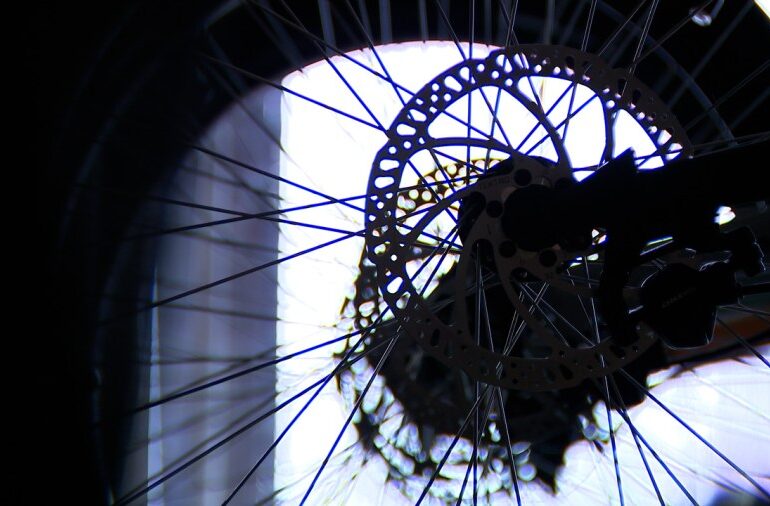
Fourth, examine the braking system. Disc brakes are preferred for more stable stopping power.
Fifth, consider battery capacity. There is no need to pursue excessive range—15–30 miles is typically sufficient for daily use. Larger batteries only add unnecessary weight.
Sixth, look for parental control features, such as speed limit settings or app monitoring. This is especially important for younger teens.
Finally, consider the riding environment. In bike-friendly cities like San Diego, options are broader. In traffic-heavy areas, prioritize lower-speed, stable models. Choosing the right fit is more important than chasing high specifications.
How to Reduce Risk
Establish clear rules:
Define a fixed riding area
Require helmet use
No night riding
No phone use while riding
Regularly check brakes and tires
Ride together a few times at the beginning so your teen can become familiar with traffic rules and emergency responses. Clear rules naturally reduce risk.
Conclusion
From a psychological perspective, outdoor riding offers a natural way to regulate mood. Regular light-to-moderate exercise helps reduce stress and stabilize emotions. Sunlight exposure promotes healthy biological rhythms and combats the fatigue that often comes from prolonged indoor activities. In contrast to spending hours on screens or playing video games after school, riding an e-bike encourages teens to disconnect from virtual worlds and engage with real-life experiences, offering them both achievement and genuine social interaction.
Become a Harlem Insider!
From history to today’s headlines—everything Harlem, in your inbox.
By signing up, you’re agreeing to receive communications from Harlem World Magazine and our Privay Policy.