Most people who drive EVs worry about a few things: how far the car can go on a full charge, how the battery works when it gets very cold outside, and how quickly it can recharge. A new research paper published in the journal Nature on February 25 shows that we might be close to solving two of those problems at once.
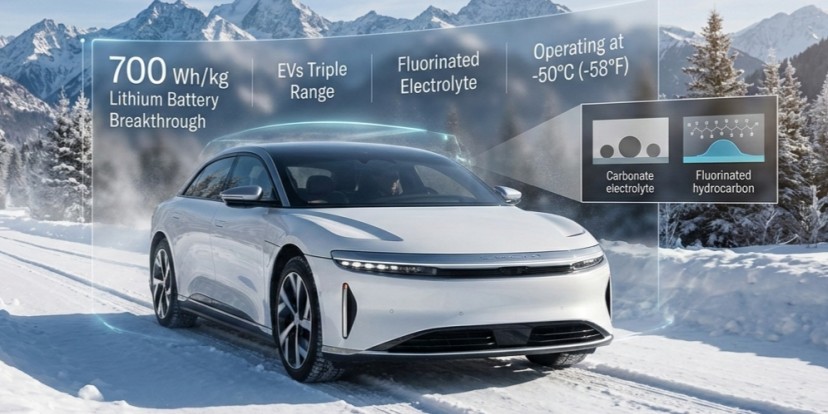
The research comes from a team led by Professor Zhao Qing and Academician Chen Jun at Nankai University, along with Li Yong from the Shanghai Institute of Space Power Sources. They found a way to make lithium batteries much more powerful. Specifically, they reached an energy density of 700 Wh/kg. The best batteries used in cars today usually top out around 250 Wh/kg to 255 Wh/kg, and solid-state batteries promise around 500 Wh/kg.
To understand why this matters, think of a battery like a fuel tank. If you have two tanks of the same weight, but one holds three times more energy, your car can drive much further without stopping. The new technology nearly triples the energy capacity compared to current standards. This means electric cars could eventually travel much longer distances without needing massive, heavy battery packs that weigh the vehicle down.
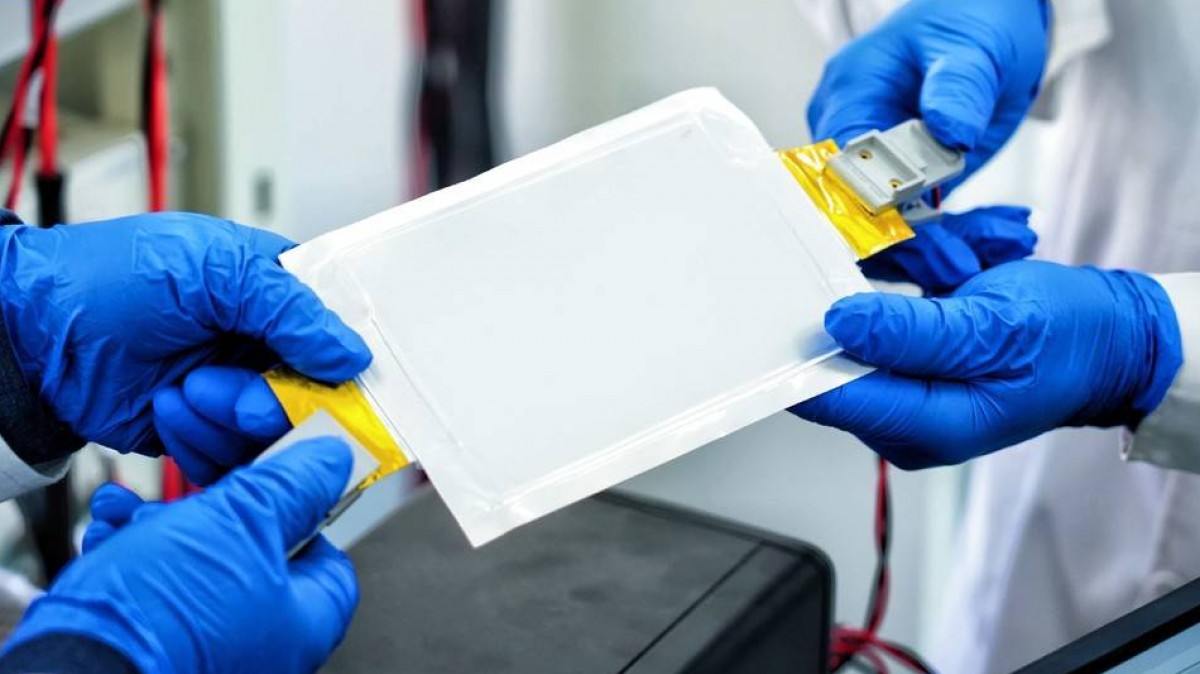
The new battery chemistry promises 700 Wh/kg density – source: Nature
The secret to this jump in power lies in the liquid inside the battery – the electrolyte. Batteries use a mix of lithium salts and carbonate solvents, which rely on oxygen atoms to help the lithium move around. This works pretty well, but it has big downsides. The liquid electrolytes are thick and do not spread easily. They also stop working well when the temperature drops, which is why many EVs lose range during winter.
The Chinese team decided to try something different. They created a new kind of liquid using fluorinated hydrocarbon solvents. Instead of using oxygen to move the lithium, they used fluorine. This change makes the liquid much “wetter,” so the battery needs less of it to function. Because the liquid is thinner and flows better, it can move energy much faster.
The new design performs incredibly well in the cold. Traditional batteries often give up when it gets freezing, but the new cells can still work at -58°F. Even at that extreme temperature, the battery keeps an energy density of nearly 400 Wh/kg. That is still higher than what most high-end EVs offer at room temperature today.
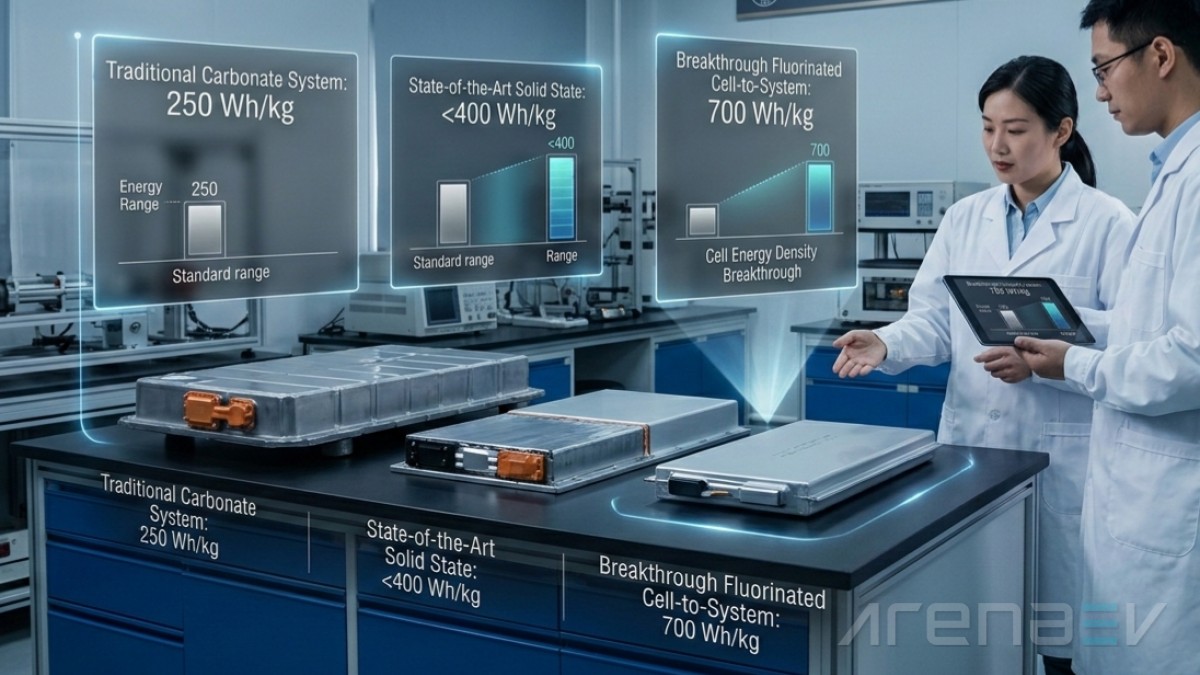
The new battery nearly triples energy density – source: ArenaEV
The team explained that they had to be very careful with how they created the new electrolyte – they had to balance the “space” inside the liquid so the lithium atoms could move freely. By switching from oxygen to fluorine, they removed the bottleneck that was holding the performance back, allowing the battery to be both lighter and stronger at the same time.
Many companies are racing to build solid-state batteries, which are often called the “holy grail” of the industry. But even those batteries usually only reach about 400 Wh/kg. The new discovery shows that “liquid” batteries can actually beat solid-state tech if the chemistry is right. If this goes from the lab to the factory, it could change how we build everything from delivery trucks to airplanes.
These batteries could power high-tech robots or even equipment used in space. For now, the 700 Wh/kg figure describes the battery cell itself, but even when these cells are packed into a full battery system, the improvement will be massive. This research proves that we haven’t reached the limit of what lithium batteries can do and throws a curveball at the solid-state promises.