© Chesky_W / Getty Images
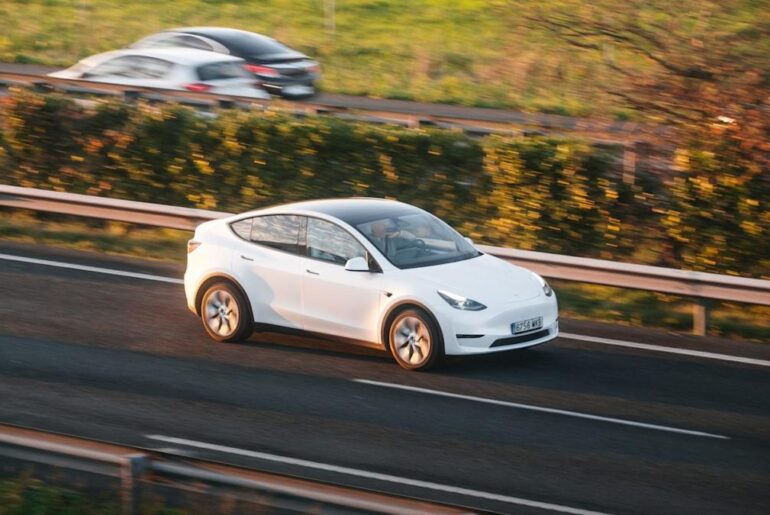
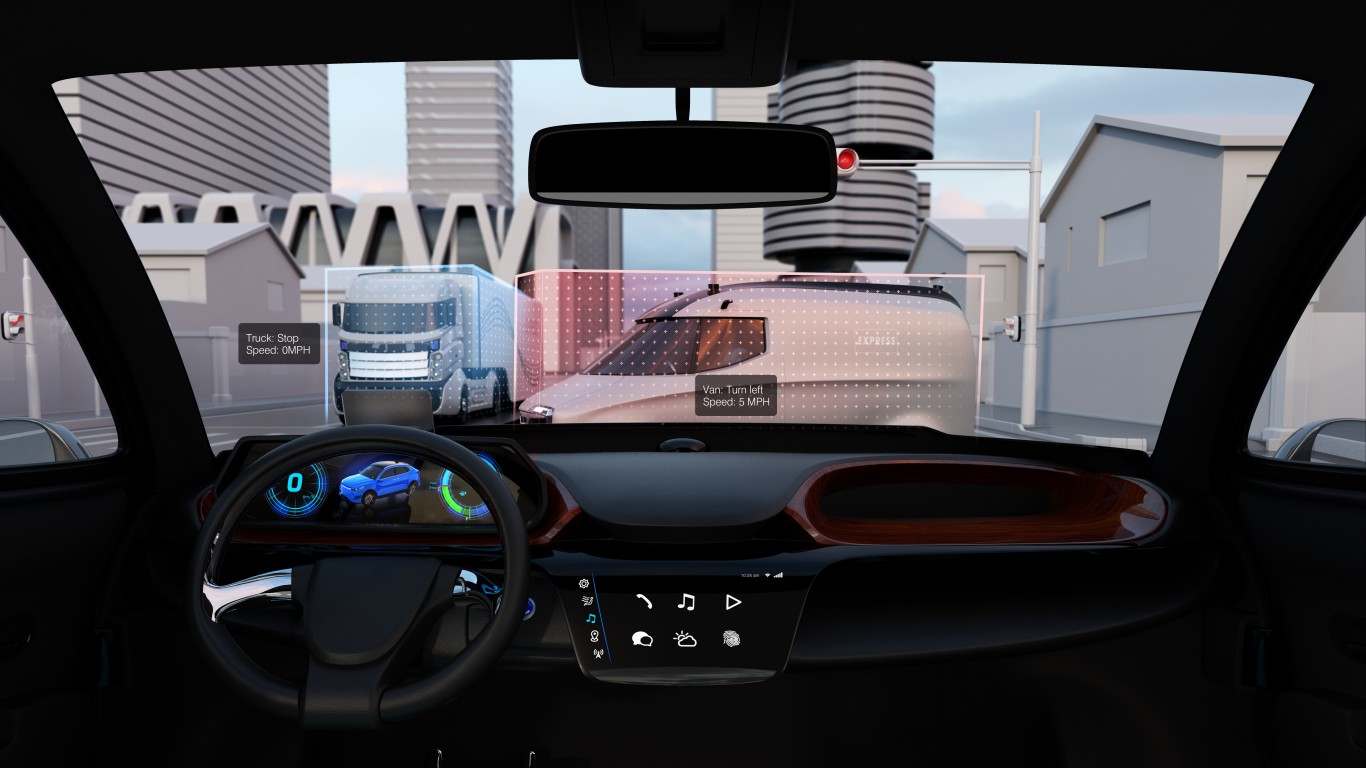
Tesla’s (NASDAQ: TSLA | TSLA Price Prediction) robotaxi ambitions have generated enormous investor attention, but the gap between rhetoric and reality is widening. As of Friday morning, Tesla has no commercial robotaxi permits in any major U.S. market, has disclosed no meaningful revenue or miles-logged metrics from its autonomous ride-hailing operations, and is now in legal conflict with the very regulators it needs to approve its expansion.
What Tesla Is Actually Claiming
Tesla spent considerable time on its Q4 2025 earnings call promoting its robotaxi progress. CEO Elon Musk stated, “In terms of taxi vehicles carrying paid customers, I think we’re well over 500 at this point between the Bay Area and Austin.” He also claimed the fleet is growing fast: “This will probably double every month type of thing. It’s on an exponential curve.”
But when pressed on financial performance, CFO Vaibhav Taneja acknowledged the program is not yet measurable: “Given that we’re still in the early phase of our fleet deployment, are still doing a lot of validation testing. The revenue and cost per mile metrics are not meaningful to discuss at the moment.” Tesla also confirmed that robotaxi business-related costs, “while not material, are also included within this [Services and other] segment.”
The Regulatory Reality
Musk himself acknowledged the structural challenge: “A big factor would be if there’s some kind of federal preemption for autonomous vehicles. In the absence of that, you have to go on a city-by-city or state-by-state basis.” Tesla has disclosed that FSD regulatory approval remains pending in both China and Europe, listing it as an active risk factor in its filings. Meanwhile, Tesla has initiated legal action against regulators, a move that signals frustration with the permitting process rather than confidence in near-term resolution.
The company’s planned expansion to Dallas, Houston, Phoenix, Miami, Orlando, Tampa, and Las Vegas in the first half of 2026 is conditioned on regulatory approval it does not yet have.
The Stock Has Priced In a Story That Hasn’t Happened Yet
Tesla trades at a P/E ratio of roughly 385x, a valuation that implies transformational execution. Yet the stock is already down 9.15% year-to-date to $408.58, and full-year 2025 net income fell nearly 47% year-over-year to $3.79 billion as automotive revenue declined. Morgan Stanley reduced its Tesla stake for the third consecutive quarter to its lowest level since 2023, while simultaneously increasing its Rivian position by 46.9%.
On Reddit’s investing communities, sentiment has been consistently bearish through February 2026, with posts like “I Finally Sold My Tesla Shares” drawing sustained engagement. Analyst consensus sits at a Hold rating with a price target near current levels, offering little upside validation for the robotaxi thesis.
Tesla’s $20 billion-plus planned 2026 capital expenditure budget and CyberCab production target starting in April represent real commitments. Permit approvals and actual miles-logged reports, rather than earnings call mentions, would represent concrete evidence that the robotaxi chapter has truly begun.