Your support helps us to tell the story
From reproductive rights to climate change to Big Tech, The Independent is on the ground when the story is developing. Whether it’s investigating the financials of Elon Musk’s pro-Trump PAC or producing our latest documentary, ‘The A Word’, which shines a light on the American women fighting for reproductive rights, we know how important it is to parse out the facts from the messaging.
At such a critical moment in US history, we need reporters on the ground. Your donation allows us to keep sending journalists to speak to both sides of the story.
The Independent is trusted by Americans across the entire political spectrum. And unlike many other quality news outlets, we choose not to lock Americans out of our reporting and analysis with paywalls. We believe quality journalism should be available to everyone, paid for by those who can afford it.
Your support makes all the difference.Read more
Drivers have revealed what it’s really like to run an electric car, with highlights being saving hundreds of pounds a year as well as enjoying smoother, quieter journeys.
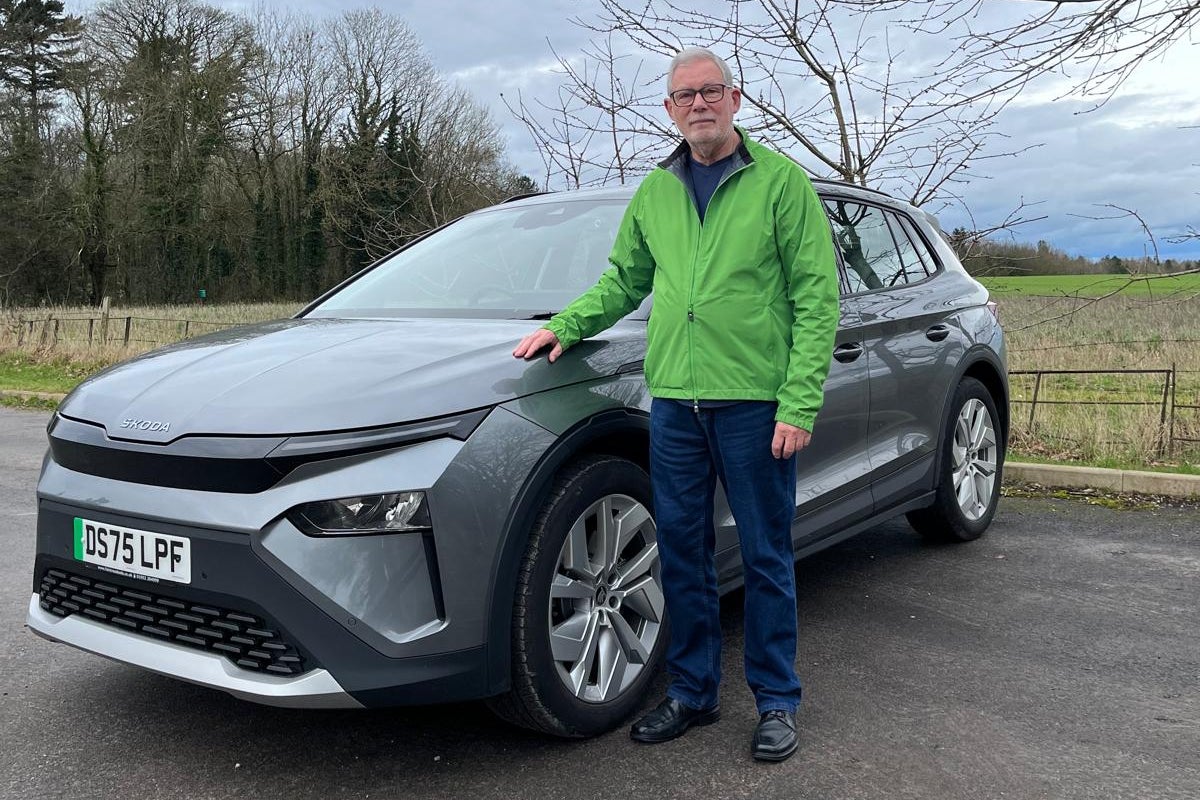
For example, Peter Lawley, from Telford, Shropshire, bought a Skoda Elroq as his first EV and has been surprised by how easy the switch to an electric car has been.
“What stood out straight away was how simple it is to drive,” said Peter. “There are no complicated settings to worry about, and in town, the ‘B’ mode allows for almost one-pedal driving, which makes everyday journeys very easy.
“We’ve had a home charger installed and thanks to smart charging, I expect to save around £50-60 a month compared to petrol. At 74, it’s been a bit of a learning curve, but if I can make the switch and find it easy to live with, almost anyone can.”
open image in gallery
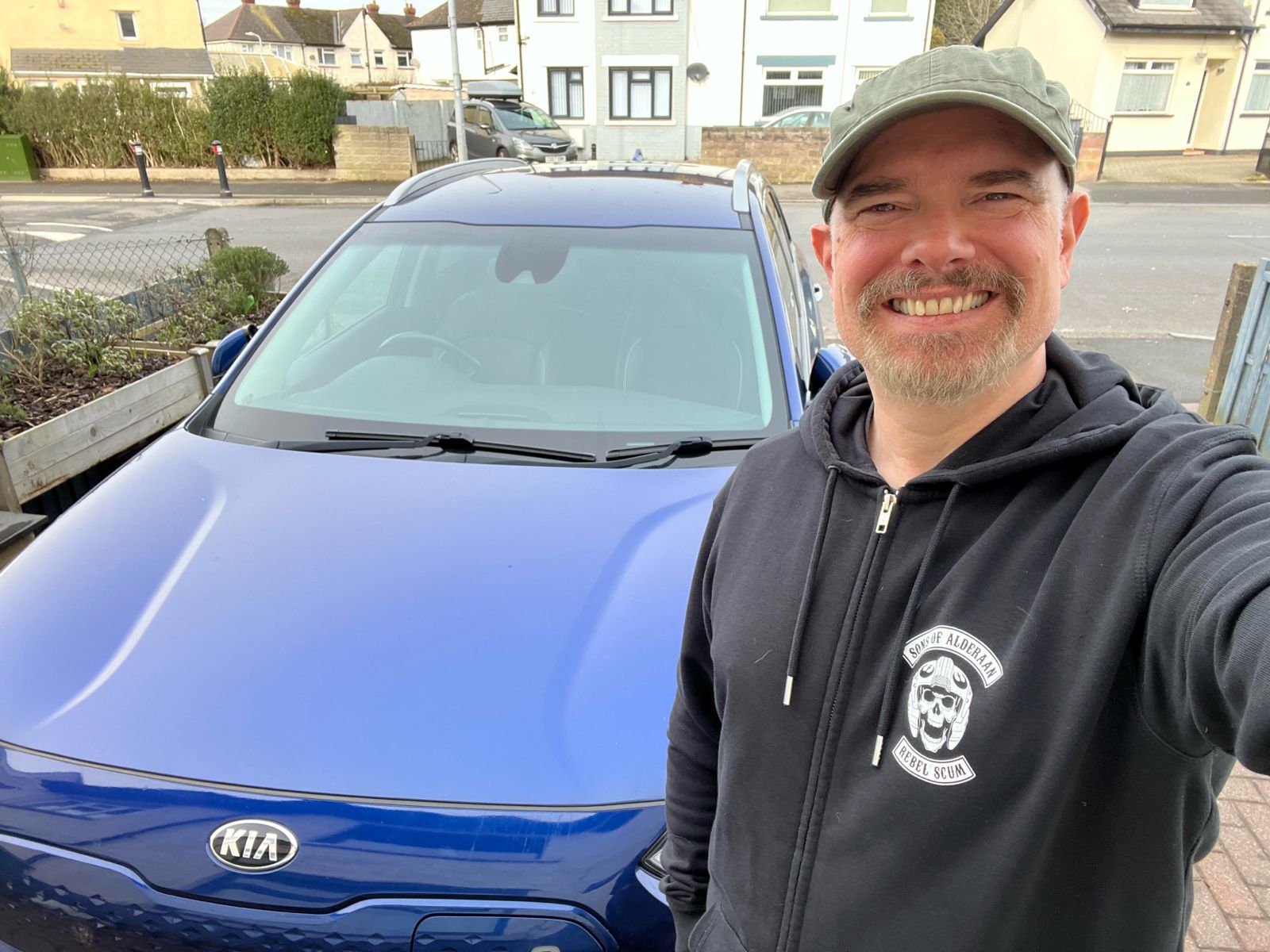
Dave Wynn from Cardiff says his used Kia e-Niro cost around £1,500 less than an equivalent petrol car (Dave Wynn)
Dave Wynn from Cardiff bought a second-hand Kia e-Niro and has been impressed by the savings he’s achieved. “The equivalent petrol car with similar mileage was around £1,500 more expensive, so going electric saved me money up front,” said Dave.
“I used to spend about 12p a mile on petrol, now I’m spending closer to 2p a mile charging at home. I also love never having to visit petrol stations again. Choosing a used EV made the switch possible for me, and I’d 100 per cent recommend it to anyone on a budget.”
Everyday driving has also been made easier for Paul Hayes and his disabled partner, Clare, who live in Hillsborough, a suburb of Sheffield.
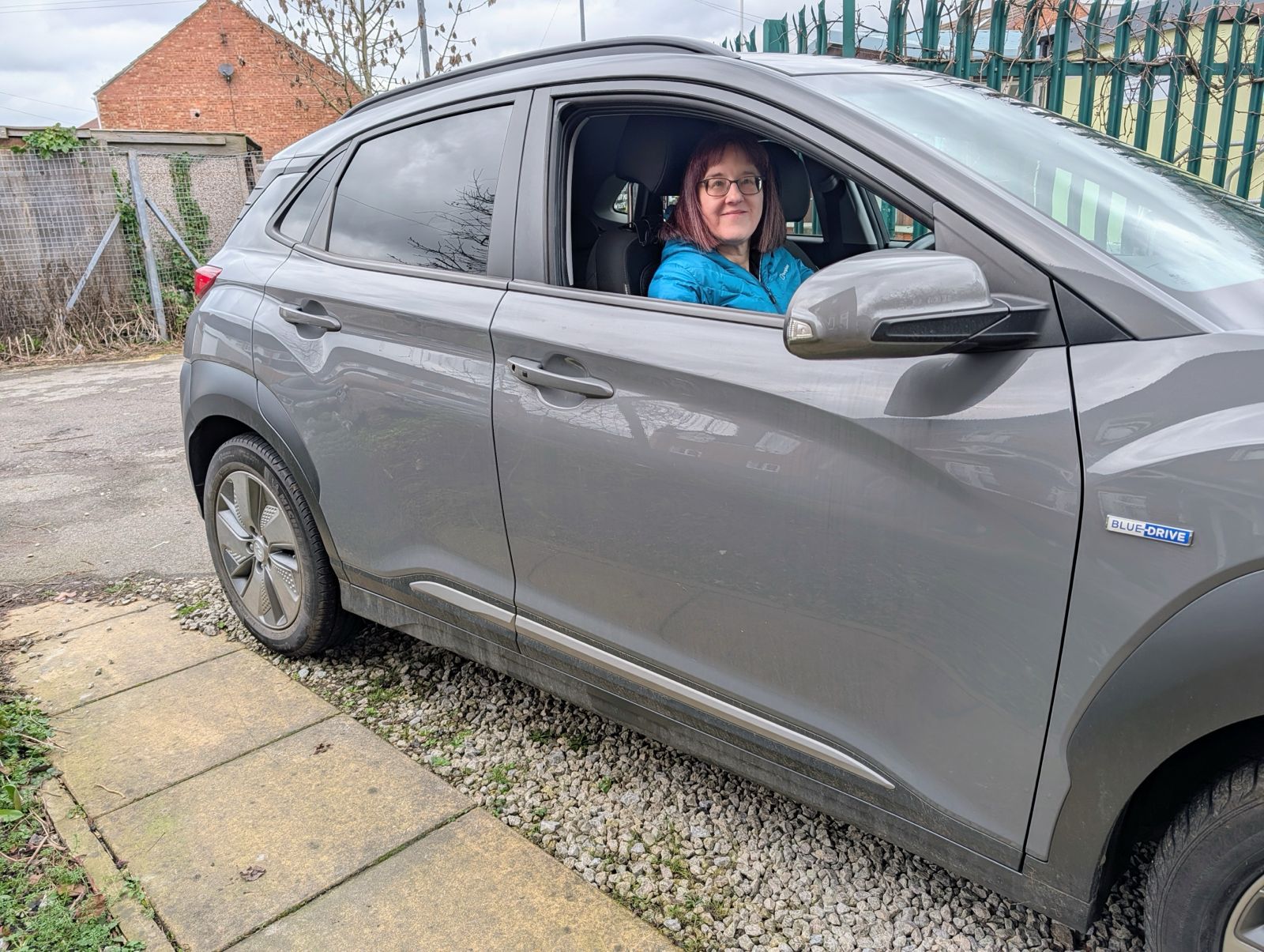
“We knew we needed a car with a range of at least 250 miles, so we did some research and bought a five-year-old Hyundai Kona with a 64kWh battery,” said Paul. “It’s given us exactly the confidence we needed.
“My partner can now drive long distances comfortably to visit her mother, and the EV’s smooth, gear-free driving makes a real difference for her disability. She also appreciates being able to pre-heat the car on cold mornings.”
open image in gallery
Clare from Sheffield has found her electric Hyundai Kona has made it easier for her to get around (Paul Hayes)
Paul has also been benefitting from saving money, saying: “In the first year alone, we’ve saved about £1,300 – roughly 10 per cent of the purchase price – through lower fuel and servicing costs. Charging at home costs us under 2p per mile, compared with around 13.5p per mile in our old petrol car. Our annual dealer service costs £80, which also includes a year’s AA cover.”
According to automotive industry lobby group Electric Vehicles UK (EVUK), two in five used electric cars now cost under £20,000 with some available for less than £5,000, while EV owners charging their cars on an off-peak tariff can save up to £1,400 a year compared with petrol.
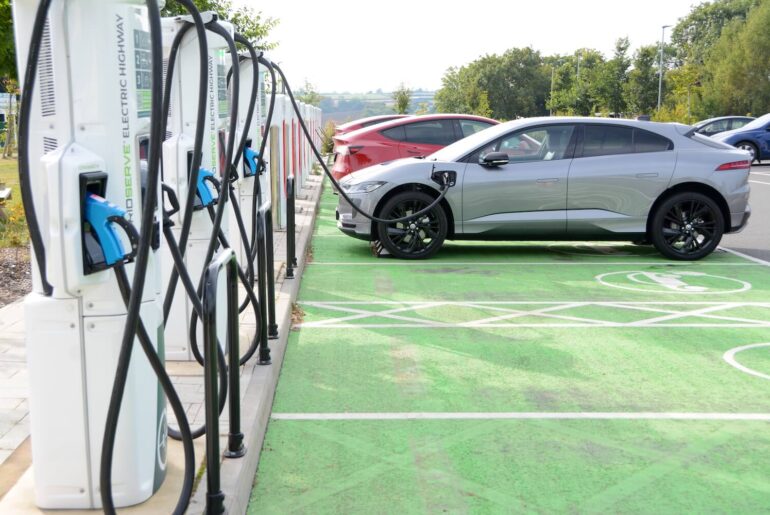
EVUK also says that the average range of a new electric car is 230 miles – around two weeks’ driving for most people, while the UK now has over 87,000 public chargers with a new one going online every 35 minutes.
Talking about the people switching and saving, Tanya Sinclair, CEO of EVUK, said: “These people are not tech enthusiasts or millionaires, they’re ordinary drivers who’ve switched because of cost, comfort and convenience. What their stories show is that electric cars can be cheaper to run, easy to live with, and more than capable of doing the school run, the weekly shop and a European road trip.
“For many households, especially those who can charge at home, the question is no longer ‘can an EV cope with my life?’ but ‘how much could I save by switching?’”
Last year saw a record number of EVs sold with 473,348 new electric cars bought (up 23.9 per cent) and 274,815 used cars changing hands (a 45.7 per cent increase).