
(Credit: Paul Maguire / Shutterstock.com)
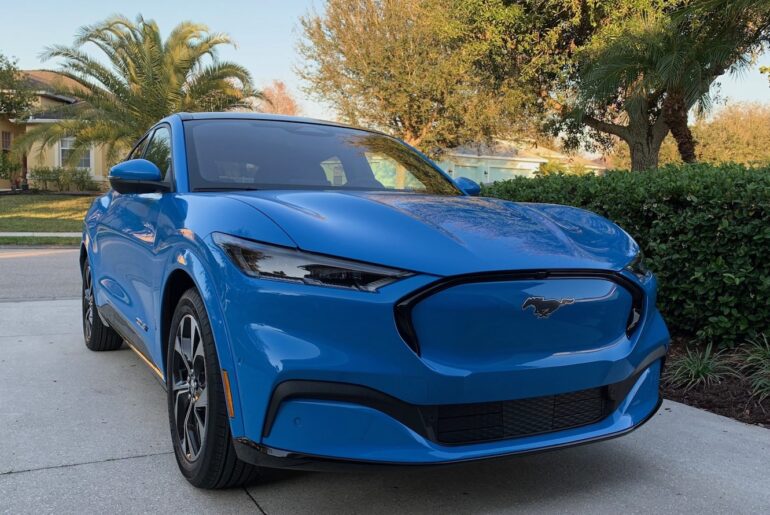
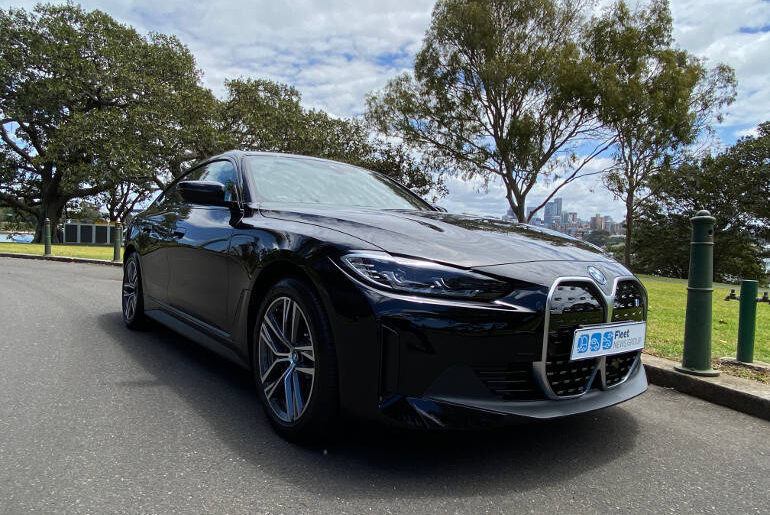
Widespread use of electric vehicles (EVs) for renewable energy storage could play an important role in an “increasingly decentralised approach” to distribution, according to the Energy Systems Catapult.
High use of renewables and nuclear, supported by greater flexibility, could reduce energy system costs by at least £70bn by 2050, the government-backed organisation said today (25 February) at the Innovating to Net Zero 2026 conference in Birmingham.
Other technologies that could provide flexibility at scale include heat stores and static batteries, hydrogen storage and digital services that coordinate and control the storage and release of energy.
The new Innovating to Net Zero 2026 report modelled and assessed four future scenarios for the energy system, to understand how variation in energy generation and demand might evolve depending on uptake of new low-carbon and flexible technologies.
“Embracing flexibility could help the UK save billions in infrastructure costs, while giving homegrown innovators a platform to scale up and compete globally,” said Catapult CEO Guy Newey.
The Catapult published an interactive dashboard for users to explore its scenarios and the data behind them, with five ‘peak’ gaps identified in supply and demand.
One of the biggest challenges will be balancing the energy system when renewable generation is low and demand is high, the organisation said. “Unlocking the potential of flexibility is therefore an urgent priority to help balance supply and demand in near real time, and help UK businesses capture the growing commercial opportunities in national and international markets,” an announcement said.
Other findings included:
Electricity consumption could increase by as much as 80% by 2040 through the growing electrification of transport and heat. Data centres could require an additional 28 Terawatt-hours in 2040, representing 5% of overall demand.
Scenarios with the biggest and quickest deployment of renewable capacity, enabled by low-carbon flexibility, have the lowest system costs – with total savings of at least £70bn to 2050 compared to the most expensive scenario, which has the lowest levels of renewables and low-carbon flexibility.
Nuclear and renewables complement each other, reducing total system costs. No new nuclear deployment could lead to additional gas power plants fitted with carbon capture and storage and offshore wind, increasing system costs by 1.1% (£50bn) by 2050.
Jon Saltmarsh, chief technology officer at the Catapult, said: “Our approach to balancing supply and demand needs to shift from centralised command of electricity generation to orchestrating flexibility from distributed, smart energy assets, such as EV chargers, static batteries and electric heating. This requires a shift in both mindset and approach, and it provides fantastic opportunities for innovation.”
Improved scheduling of EV charging, rapid scale-up of large heat stores for urban heat networks and large-scale demonstrators for hydrogen-fired turbines should all be priorities for flexible innovation, the Catapult said.
Want the best engineering stories delivered straight to your inbox? The Professional Engineering newsletter gives you vital updates on the most cutting-edge engineering and exciting new job opportunities. To sign up, click here.
Content published by Professional Engineering does not necessarily represent the views of the Institution of Mechanical Engineers.