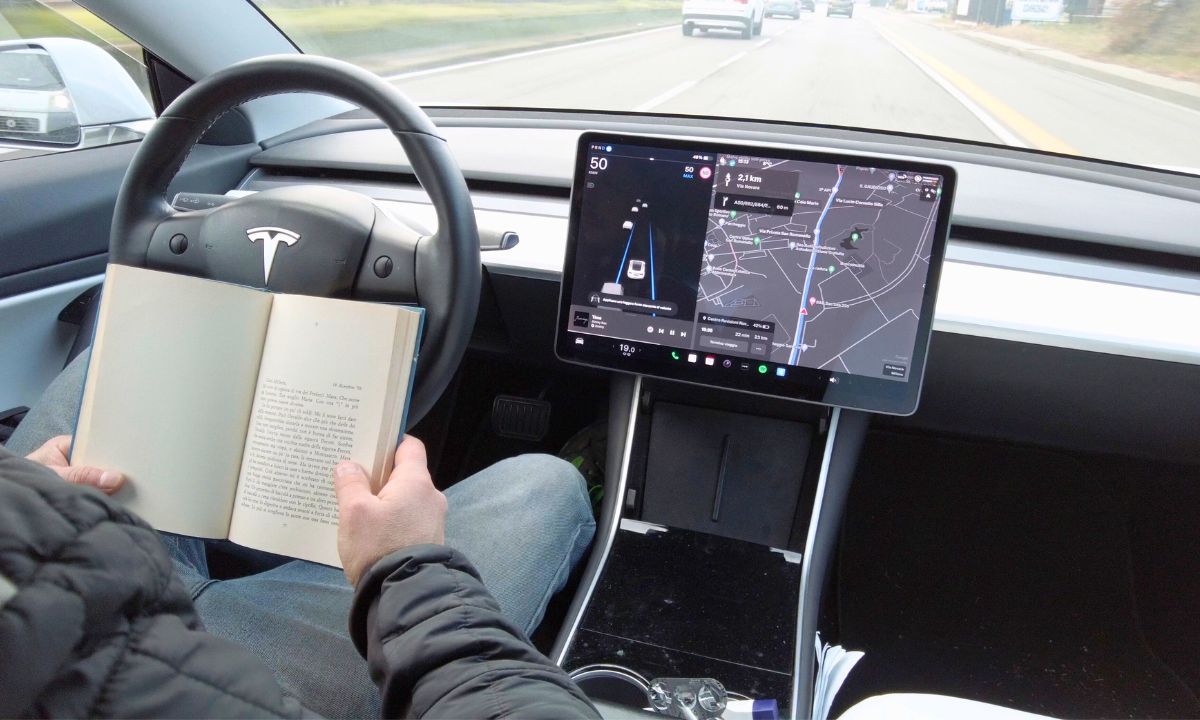
Tesla Sues California DMV Over Autopilot Marketing | Image by DELBO ANDREA/Shutterstock
Tesla has filed a lawsuit against the California Department of Motor Vehicles (CDMV), hoping to overturn a recent agency ruling that penalized the company over what officials described as deceptive marketing of its Autopilot feature.
The lawsuit, filed on February 13, comes just days after the DMV confirmed Tesla had complied with orders to completely scrub the term “Autopilot” from its California ads, avoiding a potential 30-day suspension of its sales and manufacturing licenses in the state.
The crux of the dispute? A California judge recently ruled that Tesla’s use of terms like “Autopilot” and “Full Self-Driving” misleads consumers into thinking their cars can handle the road without human oversight, allegedly violating state law against false advertising.
Tesla argues the ruling is “wrongful and baseless,” noting that it has always included disclaimers and warnings telling drivers to stay attentive at the wheel. In court documents, the company also insists the DMV couldn’t prove any actual consumer confusion with the terms.
Now rebranded as “Full Self-Driving (Supervised),” the system still requires drivers to keep their hands on the wheel – or at least their eyes on the road.
The DMV, for its part, isn’t backing down. In a statement, the agency said it stands by the judge’s findings and will defend them in court, adding that it is committed to protecting the “traveling public.”
DMV regulators could have yanked Tesla’s licenses after the ruling, but the California DMV gave Musk and company 60 days to change their marketing strategies and labeling of Autopilot or Full Self Driving features. In response, Tesla is discontinuing Autopilot across the U.S. and Canada.
For Texans, the California drama hits close to home.
Tesla’s global headquarters is in Austin, and the company has been ramping up its autonomous ambitions on Lone Star soil. Earlier this month, the first Cybercab – a robotaxi with no pedals priced under $30,000 – rolled off the assembly line at the Austin Gigafactory, as reported by The Dallas Express. Musk has called it the future of driverless transportation, with full-scale production of the cybercab scheduled to begin in April.
Meanwhile, Tesla’s Robotaxi pilot program has already been tested on Austin’s streets, with sporadic sightings of driverless cars across the city throughout 2026.
This month’s battle with California’s DMV isn’t Tesla’s only recent legal headache. Last year, the company lost a fight to overturn a $243 million verdict tied to a fatal Autopilot crash.
Yet many Tesla fans now point to milestones like the coast-to-coast Full Self-Driving drive the company celebrated in January, during which a driver claimed a fully autonomous trip from Washington to the East Coast without touching the wheel.