
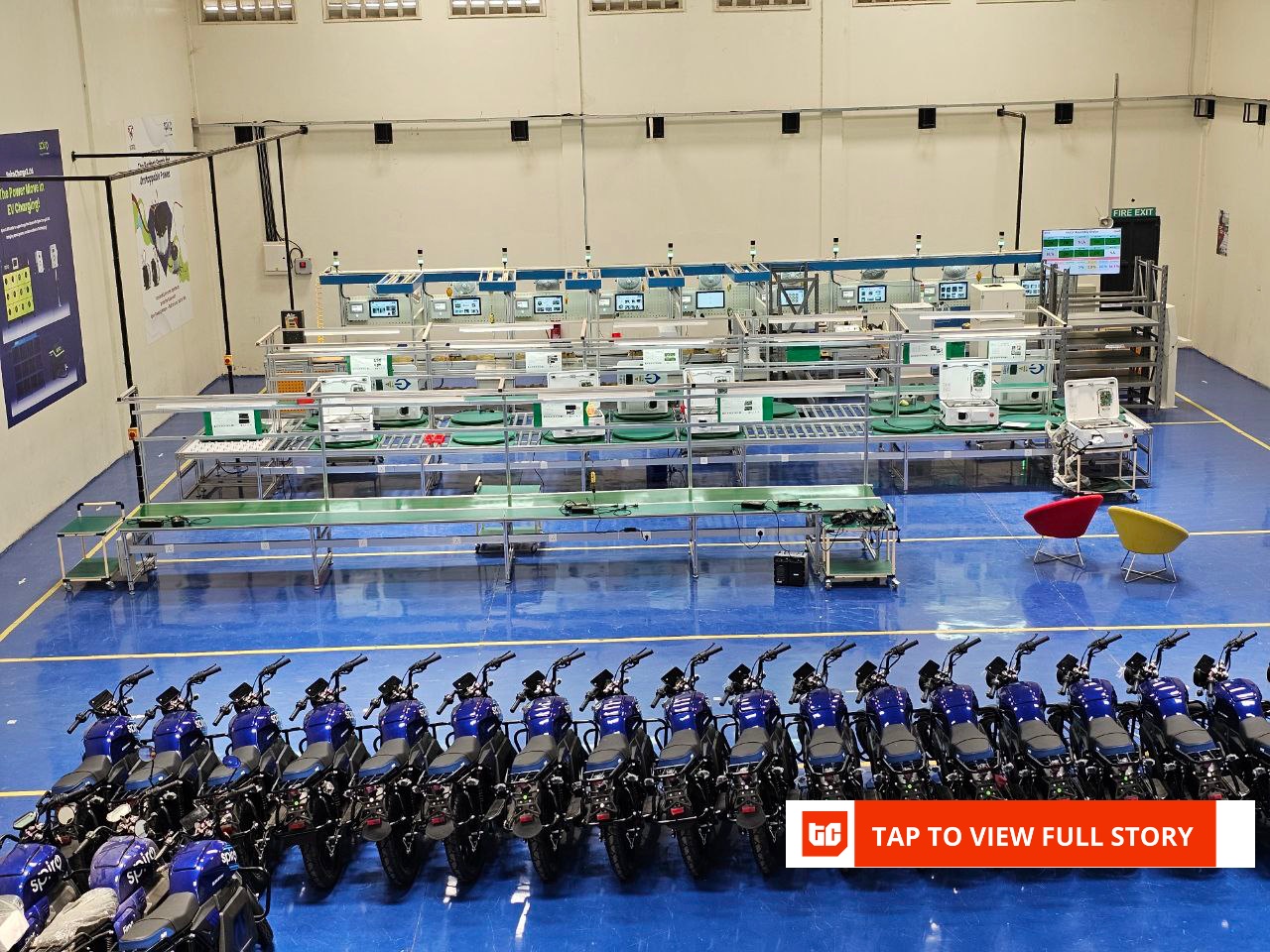
Spiro, an African electric mobility company that operates battery-swapping stations for electric motorcycles, has secured $50 million in debt financing to expand across the continent.
The funding, backed by Afreximbank, Nithio, and Africa Go Green Fund, follows a $100 million raise in October 2025. The back-to-back deals point to rising capital needs in a business that depends on dense physical infrastructure and working batteries on the ground.
Africa’s electric two-wheeler market is shifting from pilot projects to capital-heavy rollouts. The companies that secure long-term financing at scale are more likely to lock in riders, control charging networks, and set pricing power.
“Demand for Spiro’s innovative, industry-leading battery swapping infrastructure continues to grow and is reshaping mobility in Africa by providing reliable, clean transportation options across the continent,” said Kaushik Burman, CEO of Spiro.
Founded in 2022, Spiro, which operates in Kenya, Uganda, Rwanda, Nigeria, Benin, and Togo, says it has deployed more than 80,000 electric motorcycles and built over 2,500 battery-swapping stations across those countries. It has completed 30 million battery swaps. That footprint gives it one of the largest installed bases in the sector.
The company’s business model entails riders buying or leasing an electric bike and swapping depleted batteries at Spiro stations for a charged unit in under five minutes. It owns and manages the batteries, turning energy into a recurring revenue line rather than a one-off vehicle sale.
Debt financing suggests lenders are growing comfortable with the predictability of those cash flows. It also signals that Spiro is leaning on structured capital rather than diluting equity, after last year’s nine-figure injection.
The execution challenge
Battery swapping only works with density and uptime. Kenya has more than 1.9 million registered motorcycles, most of which operate as motorcycle taxis (boda bodas), providing e-mobility firms with a large base of daily users.
In Nairobi and other cities, riders still face uneven grid reliability, according to reports from the Energy and Petroleum Regulatory Authority (EPRA), a Kenyan state agency that regulates the energy sector, which affects how quickly stations can charge packs and keeps swap points busy rather than idle.
Spiro’s own numbers from its October 2025 raise show it controls more than 50% of the electric motorcycle market.
Electric motorcycles cut operating costs compared with petrol, but operators claim that battery depreciation, imported parts, and currency swings eat into margins, especially when swap density remains thin outside core corridors.