California lawmakers are once again turning their attention to electric two-wheelers, but this time the approach looks more targeted – and notably, it’s drawing broader support from major bike advocacy groups.
State Senator Catherine Blakespear has introduced Senate Bill 1167, a proposal aimed at tightening oversight of higher-powered electric mopeds and so-called “e-motos” that are often marketed as e-bikes but don’t actually meet California’s legal definition of one. These 40-50 mph (65-80 km/h) motorbikes from manufacturers like Sur Ron, Talaria, and others are effectively light off-road motorcycles but often masquerade as electric bicycles due to their silent operation and small size.
Unlike recent proposals that would require license plates or registration for broad categories of e-bikes, SB 1167 focuses on clarifying where the line is drawn — and enforcing it.
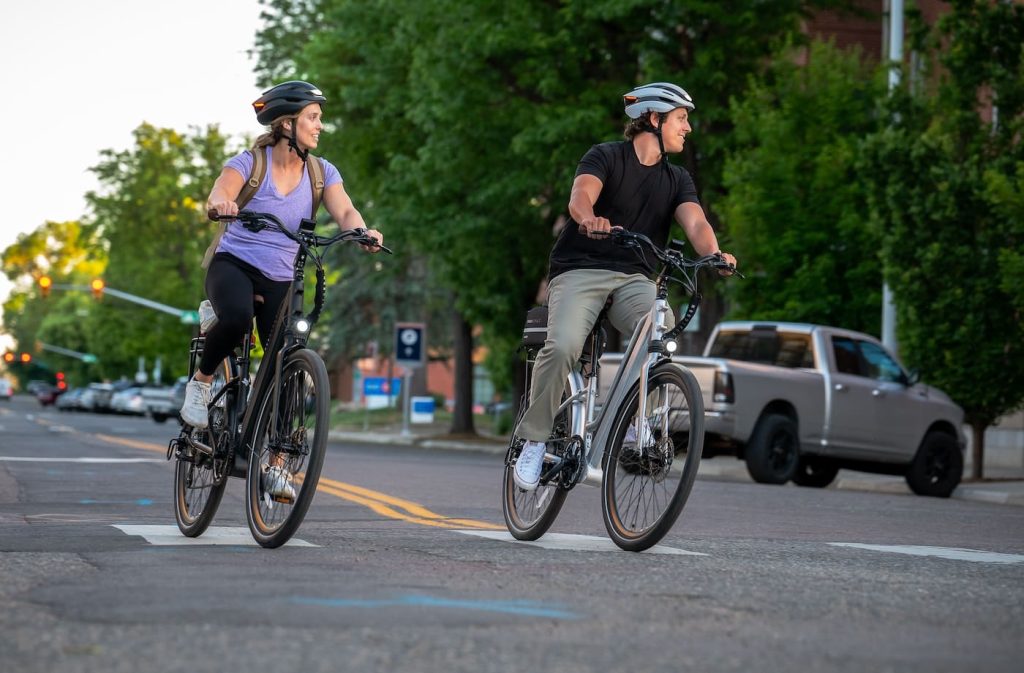
What the new bill is trying to fix
Over the past several years, California has seen an explosion in the popularity of electric bikes. Alongside that boom has come a parallel surge in high-powered electric two-wheelers – often Sur Ron–style machines – which some say blur the line between bicycle and motorcycle, while others suggest they cross fully into motorcycle territory.
Advertisement – scroll for more content
Some of these vehicles are sold or advertised as “e-bikes,” even when they exceed the state’s 750-watt motor limit, lack fully operable pedals, or are capable of speeds well beyond what’s allowed for Class 1, 2, or 3 e-bikes. In practice, that has created confusion for consumers, retailers, and law enforcement.
Supporters of SB 1167 argue that the gray area has allowed powerful motorized cycles to proliferate, sometimes operated by underage or unlicensed riders on streets, sidewalks, and multi-use paths.
The bill would reinforce that an electric bicycle must have operable pedals and a motor rated at 750 watts or less. Vehicles exceeding those limits would no longer be able to legally present themselves as e-bikes. Selling or advertising such vehicles as electric bicycles could be treated as false advertising under California law.
The proposal also updates definitions for motor-driven cycles and mopeds, clarifies top speed thresholds (generally around 30 mph or 48 km/h for mopeds), and requires clearer disclosures from manufacturers and sellers of higher-powered electric vehicles. In short, it attempts to create a more robust regulatory structure for devices that function more like mopeds or lightweight motorcycles than bicycles.
Importantly, SB 1167 does not require license plates, registration, or new insurance mandates for legal Class 1, 2, or 3 e-bikes. That distinction is key.
A separate proposal, California Assembly Bill 1942, has sparked backlash for potentially sweeping more broadly and requiring licensing for what are already street-legal, modest-speed electric bicycles. Critics of AB 1942 have warned that mandatory plates or registration requirements could unintentionally burden everyday commuters and families using standard e-bikes, while doing little to address the specific high-powered vehicles involved in more serious incidents.
SB 1167 takes a narrower approach. Rather than layering new administrative requirements onto legal e-bikes, it aims to prevent high-speed electric motorcycles from slipping through the cracks by wearing “e-bike” labels.
Notably, the bill is co-sponsored by groups including California Bicycle Coalition and People for Bikes – organizations that have been wary of policies that could stigmatize or over-regulate standard e-bike riders. Their support signals that many in the bike community see this proposal as protective of legitimate e-bikes rather than punitive toward them.
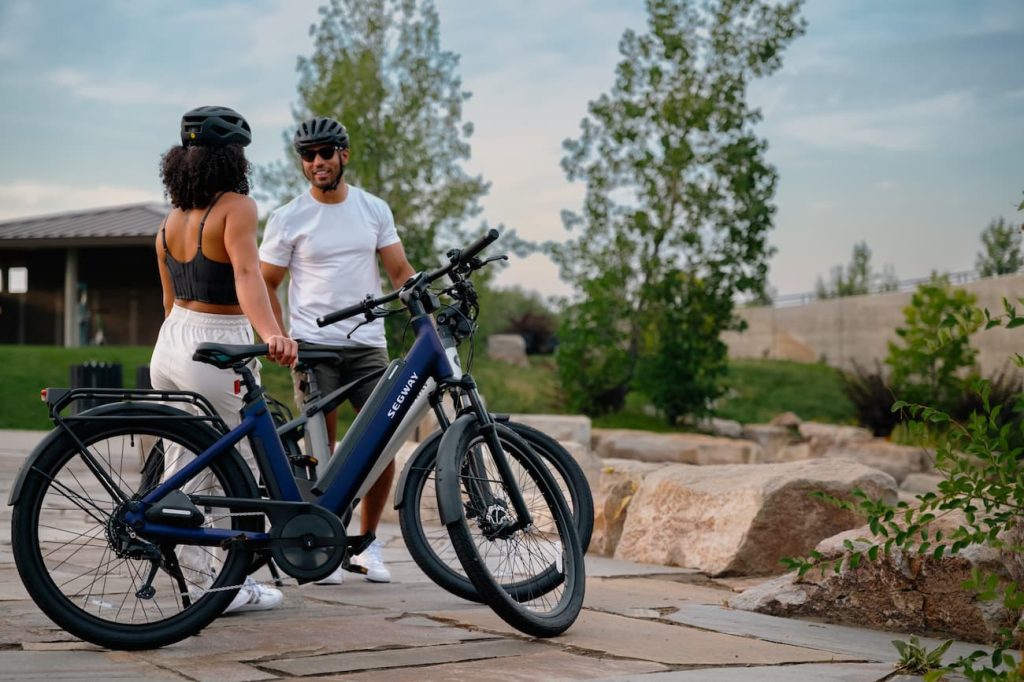
California’s e-bike market is massive, and its policies often set the tone nationally. As high-powered electric two-wheelers become more common, the state faces a balancing act: preserving access to affordable, low-speed e-bikes that support climate and mobility goals, while addressing safety concerns tied to faster, more motorcycle-like machines.
Whether SB 1167 threads that needle successfully will depend on how precisely it’s implemented. But compared to broader registration proposals, this bill represents a more surgical attempt to separate electric bicycles from electric motorcycles – and that distinction may make all the difference as the debate continues.

FTC: We use income earning auto affiliate links. More.