
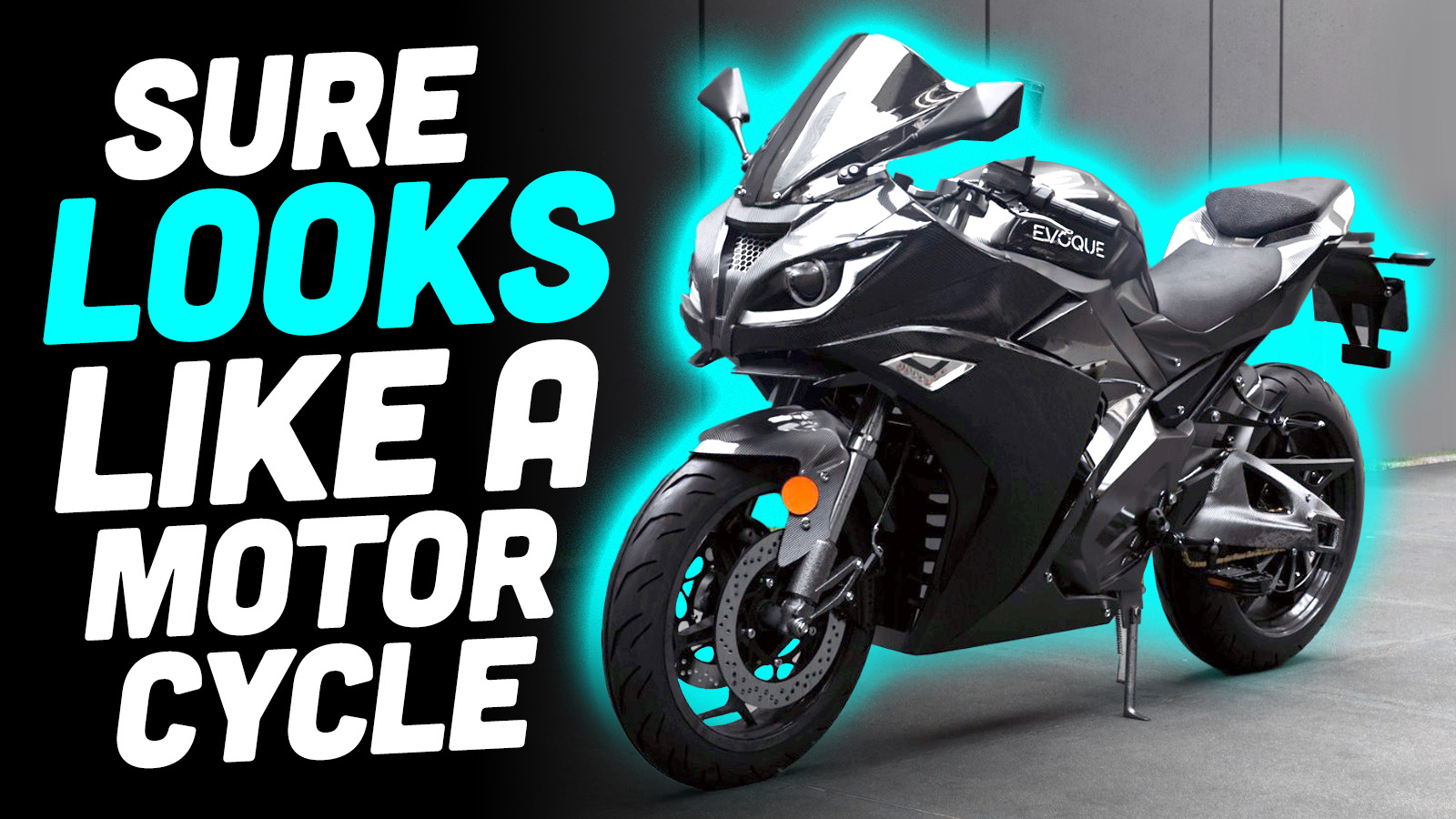
The electric bicycle, or e-bike, is a fantastic tool. You can use an e-bike to commute, to go on an off-road adventure, or to do all sorts of fun stunts. There are e-bikes for all walks of life and budgets. But there’s a sort of weird side to the e-bike, and it’s that some companies build e-bikes that are arguably just motorcycles, but they’re still classified as e-bikes because they have pedals. Washington state wants to change that with a bill that seeks to better define what truly is an electrified bicycle and what is a motorcycle.
Back in 2002, the federal government enacted Public Law 107-319. This law amended the Consumer Product Safety Act to declare that low-speed electric bicycles are consumer products, and thus would fall under the purview of the Consumer Product Safety Commission (CPSC).


The law also sets the definition of a “low-speed electric bicycle” as follows:
‘‘(b) For the purpose of this section, the term ‘low-speed electric bicycle’ means a two- or three-wheeled vehicle with fully operable pedals and an electric motor of less than 750 watts (1 h.p.), whose maximum speed on a paved level surface, when powered solely by such a motor while ridden by an operator who weighs 170 pounds, is less than 20 mph.”
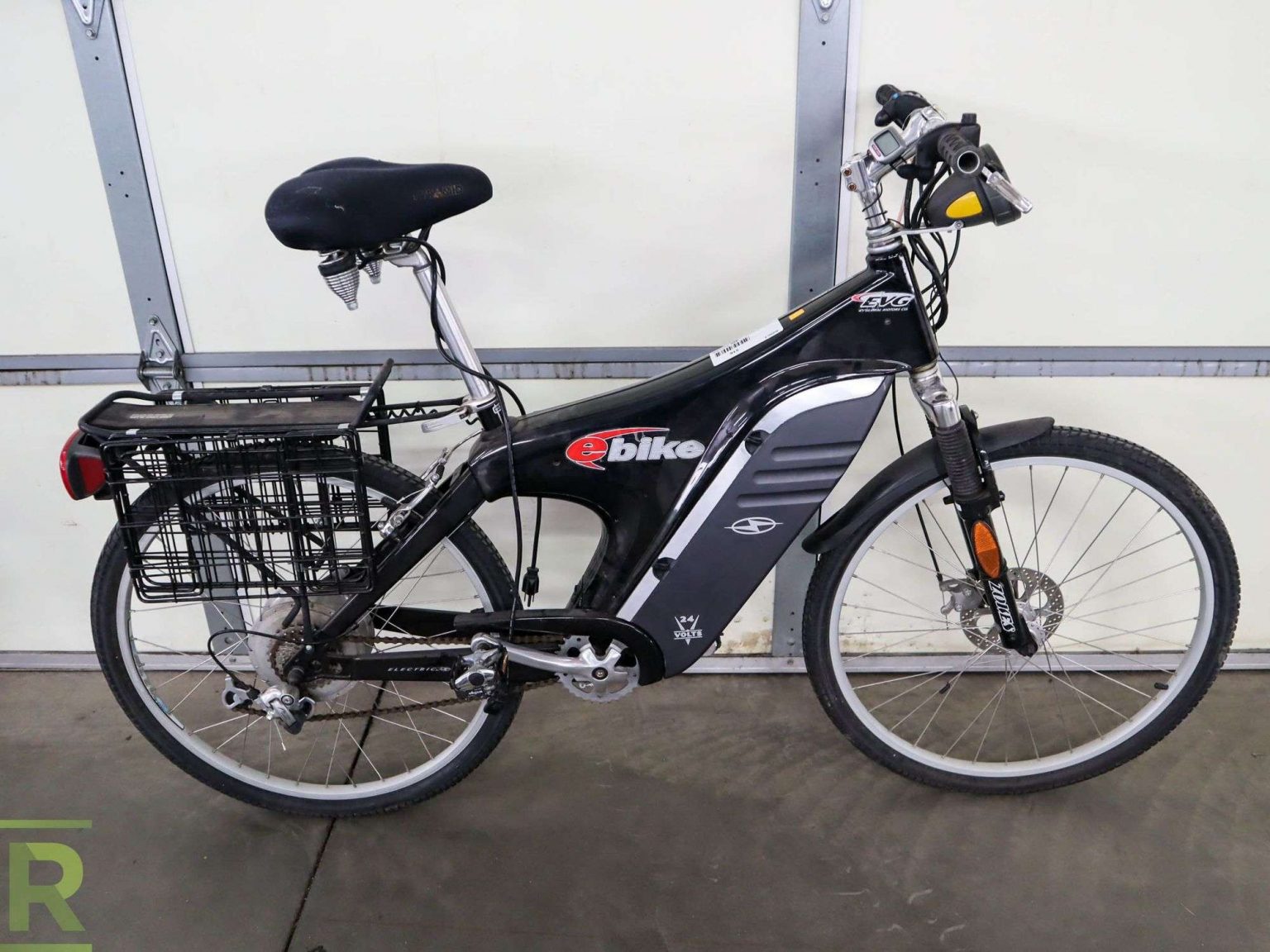 Roller Auction
The federal government currently recognizes e-bikes under a three-class system. These classes are defined as:
“Electric-assisted bicycle” (e-bike) means a bicycle with two or three wheels, a saddle, fully operative pedals for human propulsion, and an electric motor. The e-bike’s electric motor must have a power output of no more than 750 watts and must qualify as one of the following classes of bicycle:
“Class 1 electric-assisted bicycle”: has a motor that provides assistance only when the rider is pedaling and stops providing assistance when the bicycle reaches a speed of 20 miles per hour (mph).
“Class 2 electric-assisted bicycle”: has a motor that may be used exclusively to propel the bicycle and stops providing assistance when the bicycle reaches a speed of 20 mph.
“Class 3 electric-assisted bicycle”: has a motor that provides assistance only when the rider is pedaling and that stops providing assistance when the bicycle reaches a speed of 28 mph, and is equipped with a speedometer.
States have generally adopted this system as well. In theory, the three-class system has rigid rules. You cannot have an e-bike with a motor generating more than 750 watts (1 HP) and, at most, assist stops at 28 mph. So what’s the problem here?
Blurring The Line Between Bicycle And Motorcycle
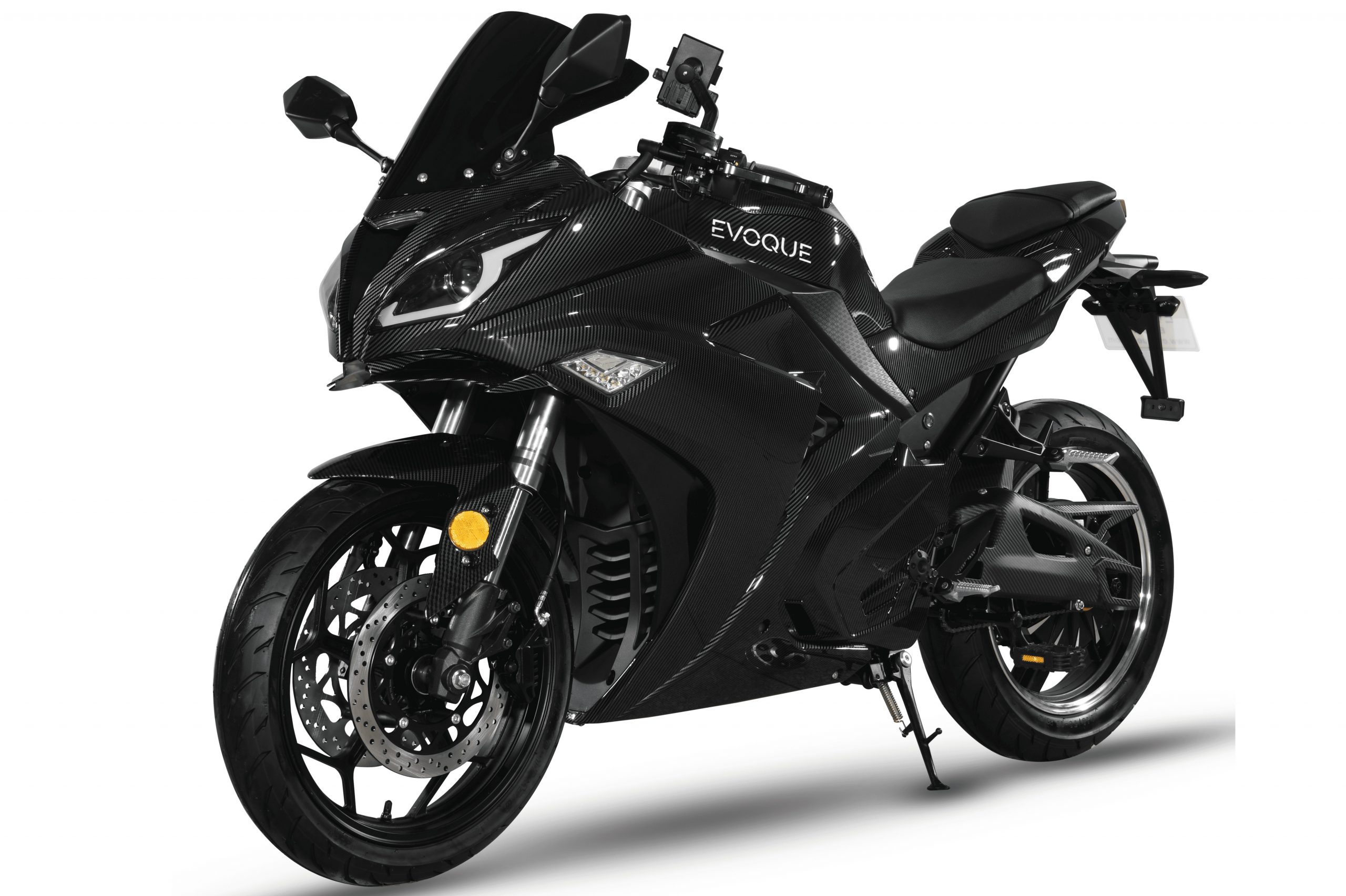
There have been machines out there that really stretch the definition of “electric bicycle.” Take a look at this bike above, it’s called the Evoque Streetster RR. What do you think this is? If you guessed motorcycle, you’d be technically incorrect.
The Evoque Streetster RR is advertised as being a legal e-bike, and sure enough, if you look closely, you’ll even see a set of bicycle pedals. However, you’ll also note that the bike has motorcycle pegs.
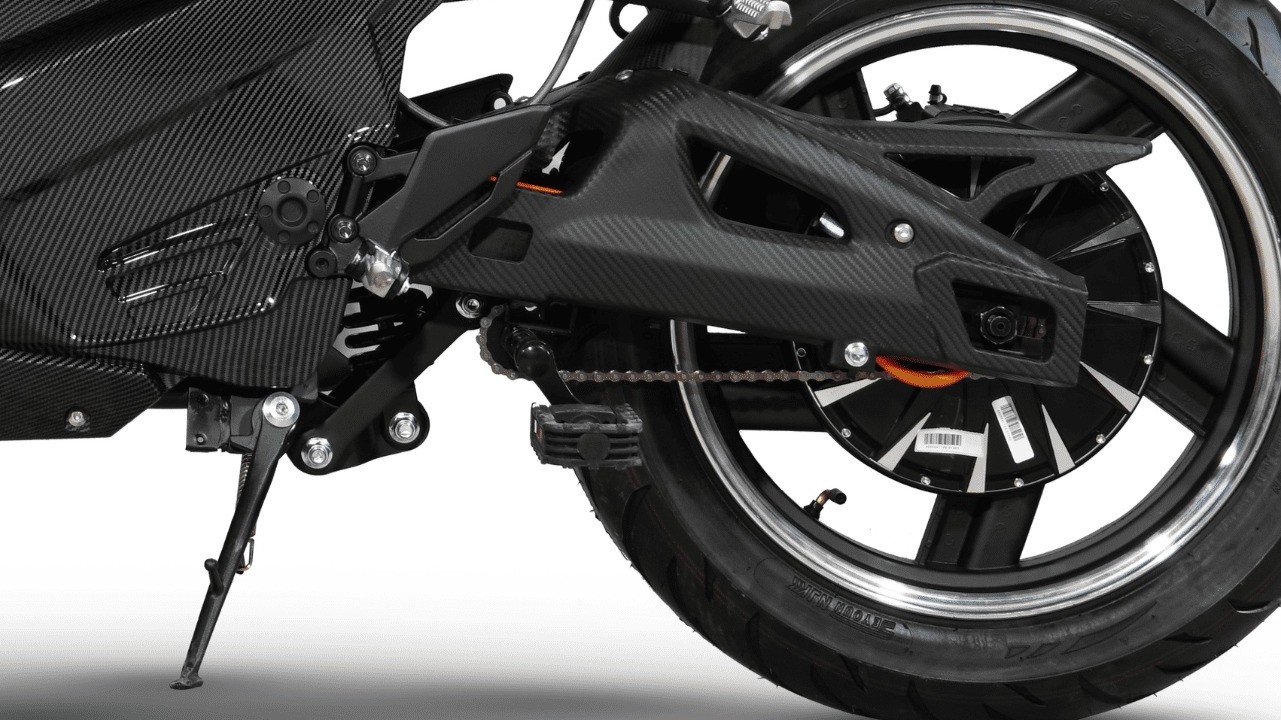 Look at that cute bicycle pedal!
This bike gets interesting when you dig into it. Evoque’s spec sheet does not mention motor output, top speed, or type of assist. But Evoque does note about how motorcycle-like the machine is, with its steel frame, hydraulic disc brakes, adjustable 33-core hydraulic damping, infotainment system, and 600-pound load capacity. It even has motorcycle-style mirrors, lighting, and controls.
Now, these bikes deliver from the factory with a limiter that keeps them from going faster than 20 mph. There you go, it’s a Class 2 e-bike then, right? Well, apparently, the limiter can be removed, and when done so, the top speed rises to roughly 60 mph. But because it was sold as an e-bike, the rider who removes the limiter can now ride this thing on the street without a license, registration, or insurance. It is, after all, an “e-bike.”
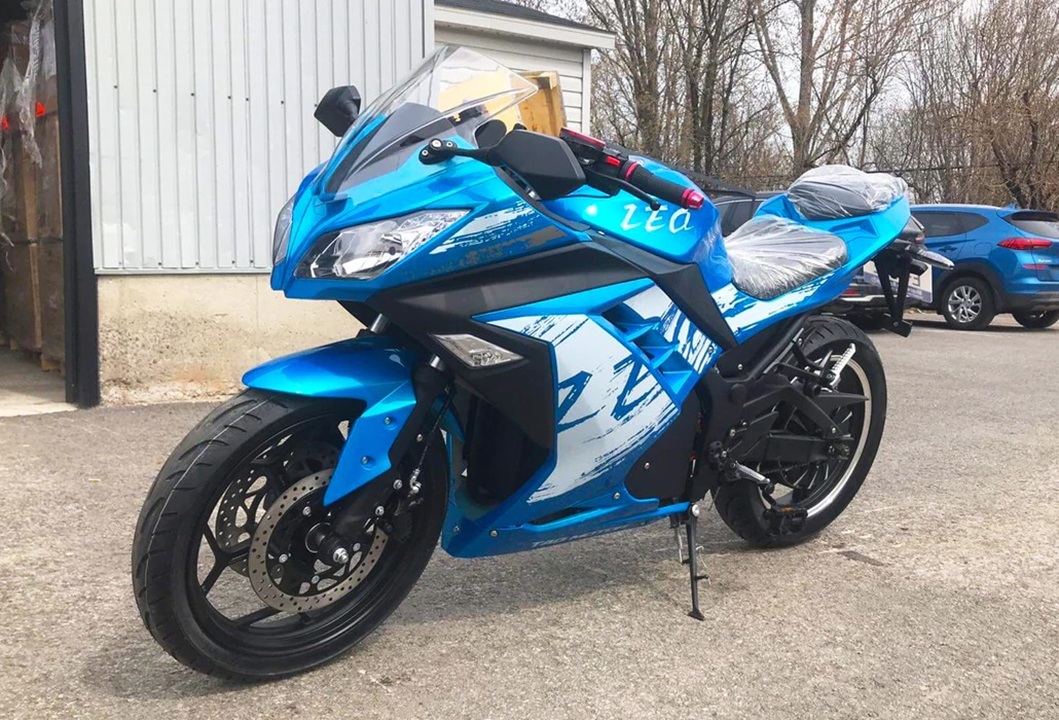
Don’t think the Streetster RR is an anomaly, either. There was also the Tao Tao Leo, which has a 4000-watt (5.36 HP) motor, a motorcycle body, and a top speed of around 68 mph once the 20 mph limiter is deleted. This machine was also sold as an e-bike. These bikes are generally marketed to Canadians, but can be imported into the States.
Last year, I wrote about the Beachman ’64 E-Bike, a bike that looked like a cafe racer electric motorcycle and had a top speed of 45 mph, but was advertised and sold in the States as an e-bike. That bike’s limiter was set by the rider, so nothing was stopping a Beachman rider from just going into the off-road mode when on the road or a bike path.
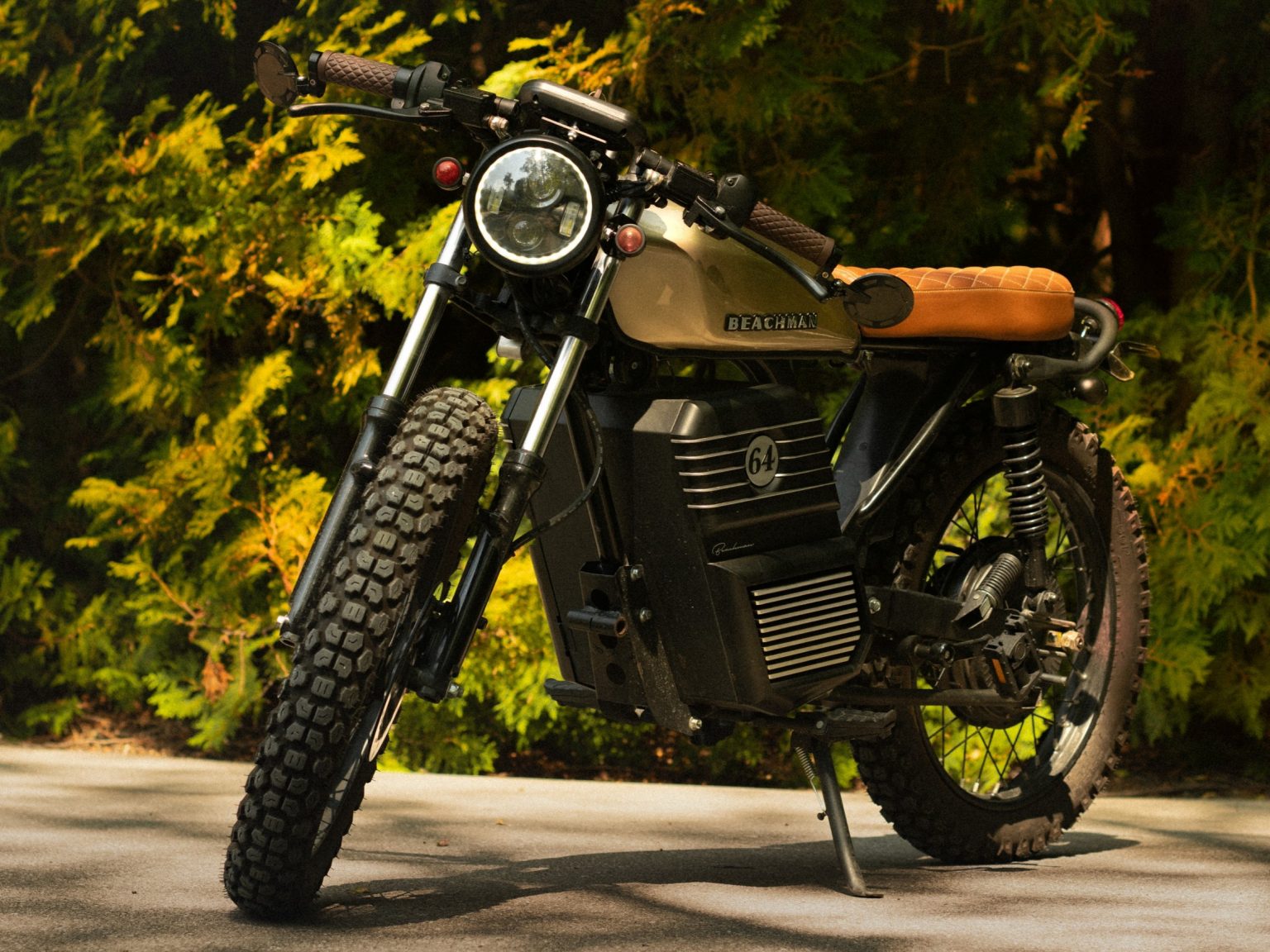 Beachman USA
After I published my article, Beachman CEO Ben Taylor emailed me to note that the ’64 E-Bike was more or less a stopgap as Beachman worked to get certified as a motorcycle manufacturer:
Just wanted to say that I totally get your criticism of the platform. Our intention is to have people register the bikes, but we are transitioning from e-bike company to actual motorcycle manufacturer right now, and so the bikes is a hybrid in order to allow maximum flexibility to our customers. Lots of people just leave it at 20mph and ride happily as an e-bike, and since we don’t sell to children we hopefully aren’t contributing to the madness of kids on surrons.
In Canada we are right now swapping over to a legitimate low-speed motorcycle with no pedals, but in the US we still have work to do before we can fully do that jump.
Sometime next year we’ll be dropping the e-bike thing entirely and becoming a bonafide moped/motorcycle company. It just takes a lot of work and huge resources to do that process legally & operationally when you don’t have the resources of Harley, honda etc.
To Beachman’s credit, it did launch a true electric motorcycle in the ’64 Light Motorcycle, which is awesome! Like a regular electric motorcycle, you have to have a motorcycle license, you have to register the motorcycle, and you have to carry insurance.
But I think you get my point, dear reader. There are electric two-wheelers out there that are marketed and sold as e-bikes, but are turned into electric motorcycles with only the deletion of a limiter. These bikes have top speeds too high and motors too powerful to be considered e-bikes from the start, and only software limiters are used to comply with the letter of e-bike classifications. Or, these bikes are easily modified to become motorcycles, but are still considered e-bikes.
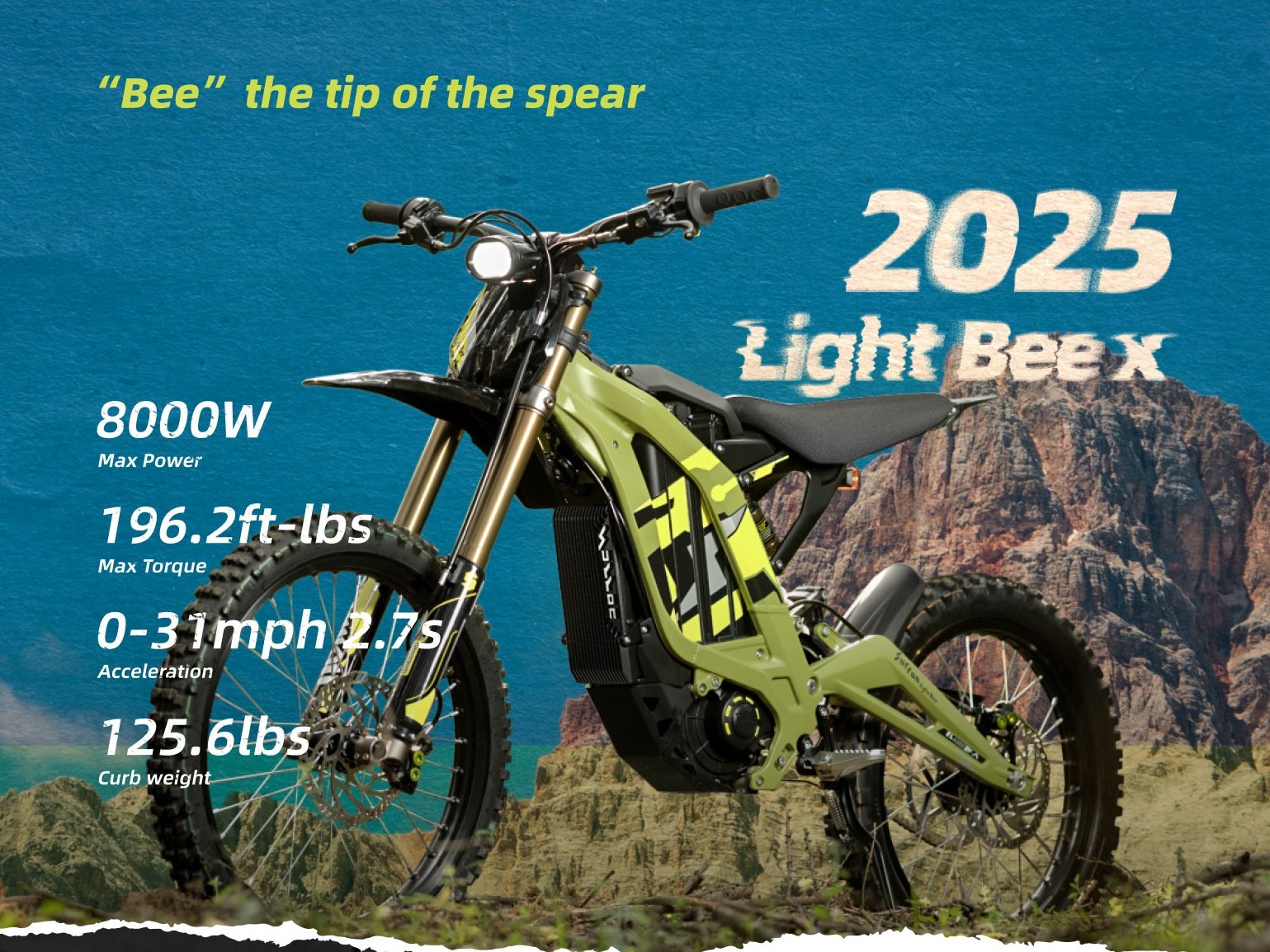 Credit: Surron
Surron bikes are often used as examples of how e-bike regulations are abused or otherwise unenforced. It’s worth noting that Surrons do not have bicycle pedals and are not marketed as legal e-bikes, even though some of their riders do take them onto roads.
These bikes can be enticing because of their low cost of entry and minimal barriers. That Streetster RR costs only $6,414, while the Tao Tao was only $3,700 when it was on the market. These are cheaper than proper electric motorcycles and don’t even require a license.
The problem with those other bikes is that the end user can delete the limiter and then ride their electric bike at high speed, either on the road or on bike paths. Yes, depending on the jurisdiction, you can register some e-bikes as mopeds. But again, that requires the owner to go forward with doing that rather than just ripping down a bike path at 45 mph. That rider probably doesn’t have a license or insurance. If that rider isn’t acutely aware of the dangers of riding a two-wheeler fast, maybe they might forgo wearing motorcycle gear.
The Bill
Lawmakers in Washington state have had enough of this and are deciding to take action. On January 9, 2026, Representatives Janice Zahn (D – District 41), My-Linh Thai (D – District 41, Position 2), Julia Reed (D – District 36), Liz Berry (D – District 36, Position 2), Zach Hall (D – District 5), Davina Duerr (D – District 1), and Beth Doglio (D – District 22), filed HB 2374.
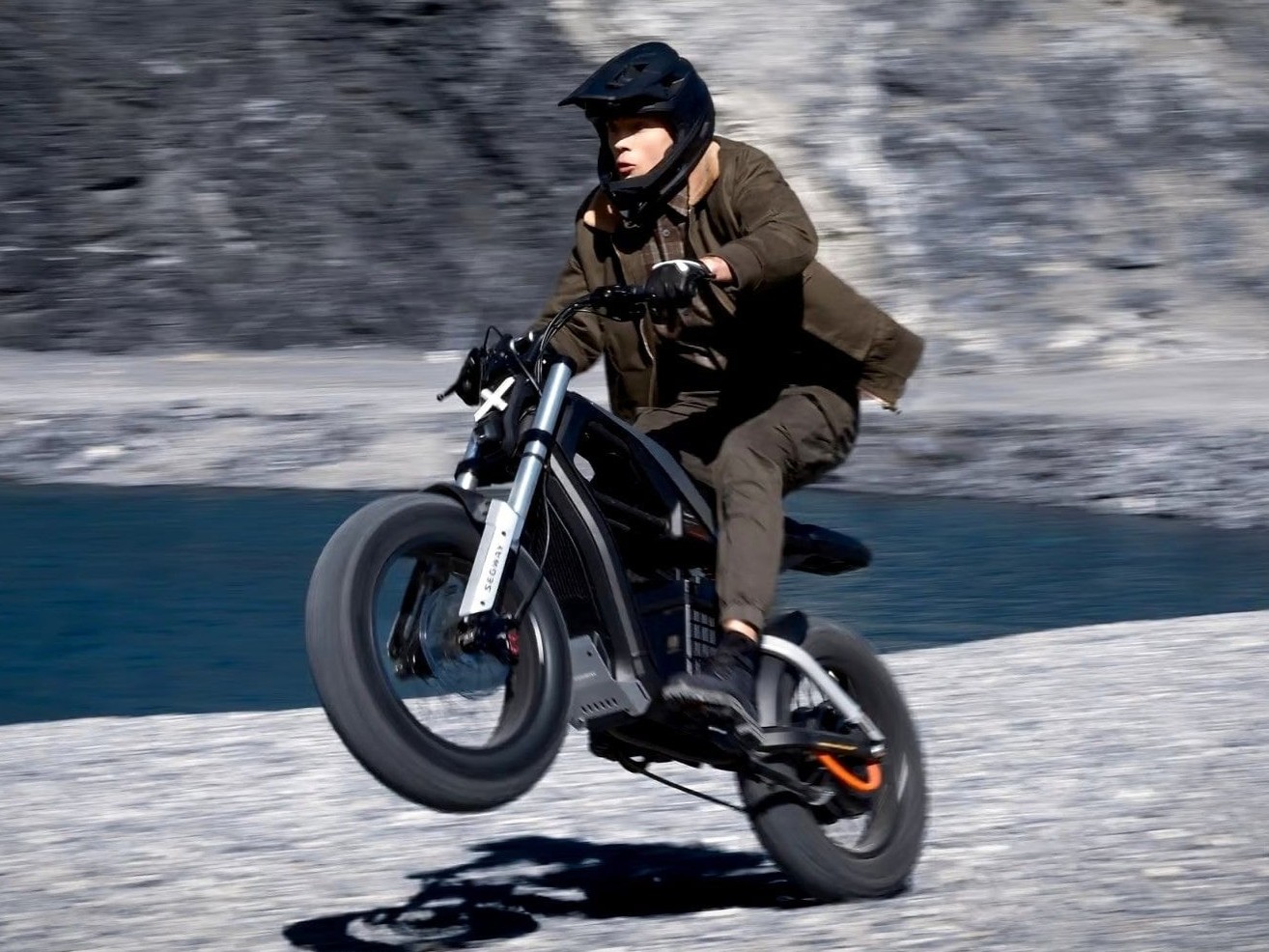 The Segway Xyber goes 35 mph. Credit: Segway
The lawmakers believe that the current e-bike classifications leave open a sort of legal gray area where you can buy a bike that looks like a motorcycle and can perform like a motorcycle, but was sold as an e-bike.
A substitute version of the bill, SHB 2374, passed the Washington House on February 13. The substitute bill is largely similar to the original bill, but is clearer about its intent. That bill states:
Modifies the definition of “electric-assisted bicycle” to exclude any vehicle capable of exceeding 20 miles per hour using only its electric motor, and any vehicle that is designed, manufactured, or intended by the manufacturer or seller to be easily configured to not meet the requirements of an electric-assisted bicycle (e-bike).
Provides for a definition of “electric motorcycle” that includes vehicles with characteristics that do not meet the requirements of e-bike.
Establishes a work group to evaluate steps that could be taken to facilitate adherence to the laws applicable to e-bike and electric motorcycles, as well as to explore establishment of civil infractions and penalties related to use of these vehicles by youth between the ages of 12 and 16.
Requires the work group to submit a final report, including recommendations or draft legislation, to the Transportation Committees of the Legislature and the Office of the Governor by December 15, 2026.
If enacted, the bill would change Washington’s definition of e-bike and motorcycle to:
“Electric-assisted bicycle” does not include:
– Any vehicle capable of exceeding 20 mph on solely its electric motor; or
– Any vehicle that is designed, manufactured, or intended by the manufacturer or seller to be easily configured to not meet the requirements of an e-bike.
“Electric motorcycle” means a motorcycle that uses propulsion units powered solely by electricity, and which meets one or more of the following criteria:
– It is not equipped with fully operable pedals capable of propelling it (foot pegs are not considered pedals).
– It has a motor with a power output that exceeds 750 watts.
– It has a motor that provides exclusive electric assist to propel the vehicle over a speed of 20 mph.
– It has a motor that continues to provide assistance when the vehicle reaches a speed greater than 28 mph.
The definition of “motorcycle” is updated to clarify that “electric motorcycles” are a type of motorcycle.
Technically, if this bill were to become law, all of the aforementioned e-bikes would no longer be legal e-bikes. The wording of the bill is designed to reclassify those bikes as motorcycles. That would mean either selling them as off-road only, like a dirt bike, or proper labeling, lighting, tires, and other requirements to become road-legal motorcycles. Of course, then the buyers of these machines would need to register them, insure them, and have the proper endorsements to operate them.
The state would then have to lean on enforcement to keep illegal e-bikes off the streets. Granted, existing e-bikes are already illegal to use in the manner that some riders use them, so I’m not entirely sure how effective this bill will be. But taking these bikes out of the e-bike classification is a start.
The framers of the bill say that the bill is in the name of safety. The bill says that e-bikes have been great for accessibility and urban mobility, but dangerous because their riders are speeding down trails that have pedestrians, toddlers, strollers, and other folks not expecting to see a bike blasting past them at high speed. The bill claims that injuries from these situations are increasing.
The bill has passed the state House and, as of February 17, had its first reading in the state Senate. Now, it sits at the Senate Transportation Committee for further progress. The bill has lots of steam with supporters, with the Seattle Bike Blog reporting bike organizations, trail organizations, and high school students backing the bill.
Are These E-Bikes?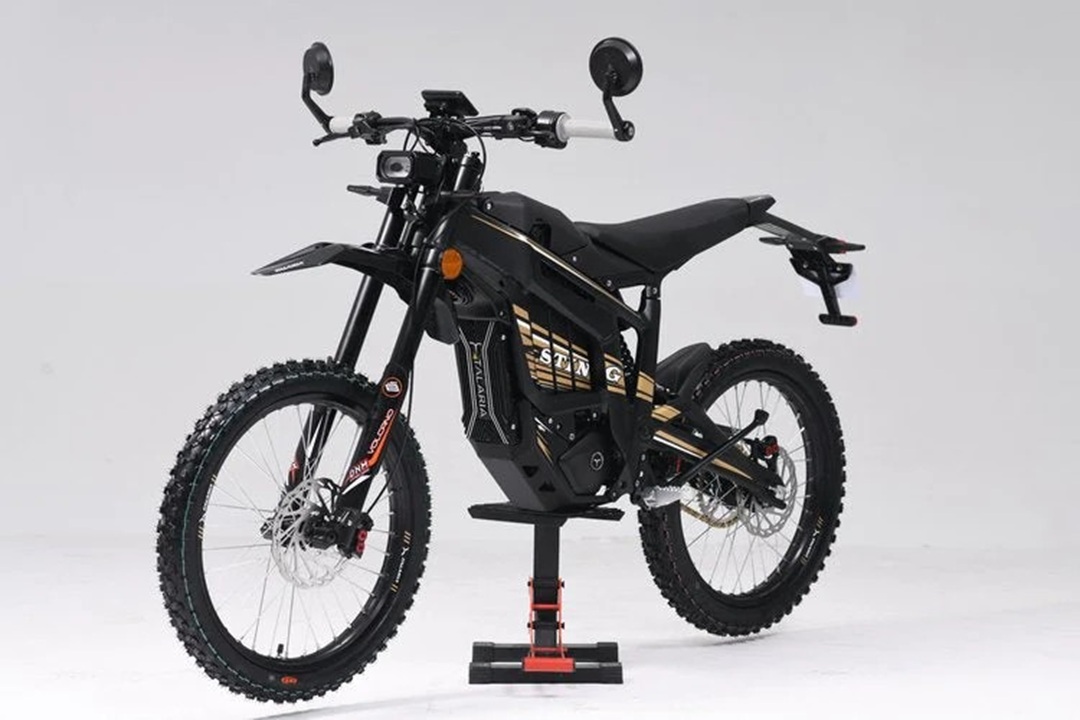 The Telaria Sting L3E Road Legal is technically neither an e-bike nor a motorcycle under Washington’s current framework. Credit: Telaria
I get why these lawmakers are trying to do this. I am a fan of high-powered e-bikes. I find it awesome that you can get a lightweight bike with an insane power-to-weight ratio and a death-defying top speed. Those kinds of shenanigans fuel my soul.
However, these machines have a dark side, as they can be abused by their riders as they storm down bike lanes and pedestrian/bike paths at dangerous speeds. These bikes can travel at the same speeds as motorcycles, yet don’t require the same training or financial responsibility as motorcycles. It seems logical that if there’s a two-wheeler that is more or less just a motorcycle, adding a set of bicycle pedals and a software limiter to it shouldn’t be a loophole out of motorcycle rules. Maybe there should be a third category here.
Of course, should this bill become law, it would impact only Washington state. It will be interesting to see how this plays out. Sometimes, a new law in a single state could inspire similar laws elsewhere. It will also be interesting to see if these definition changes might cut down on the issues noted above. So, this is a subject I will have to return to on a different date.
If you do own a high-powered e-bike, please ride it responsibly! These bikes are no doubt insanely capable and fun, but please try to keep that fun in places where folks aren’t going to get hurt.
Topshot graphic image: Evoque E-Bikes