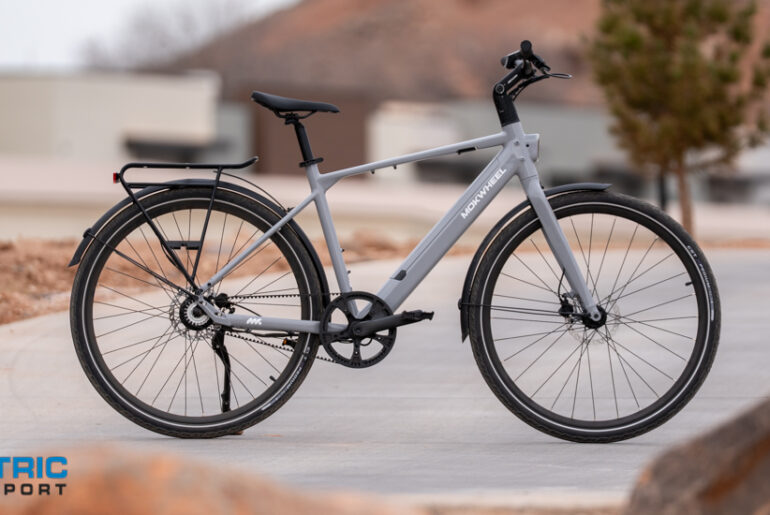
Bicycles have been around for more than 200 years, but the industry rarely made headlines until the COVID-19 pandemic sent bike sales soaring. The hangover that followed was painful — brands and retailers had placed massive factory orders, and when consumer demand collapsed in 2022, that inventory flooded warehouses all at once. Companies across the industry were forced to sell at deep discounts just to free up cash.
The industry is still working through that reset, but the long-term picture remains compelling. E-bikes are gaining ground on traditional bicycles, and the global market has real room to grow. For investors with the right time horizon and risk appetite, bike stocks could be worth a closer look.
One catch: pure-play bicycle stocks are hard to find. Many bike brands are subsidiaries of larger manufacturing conglomerates or parts suppliers, making direct exposure tricky. A handful of more focused stocks do exist, though, and those are the ones worth examining here.
Top bike stocks to consider
Loading ticker_table…
Loading company_card…
Japanese manufacturing conglomerate Shimano (SMNNY +0.37%) is a top name in outdoor gear. Its bike components are regularly featured on all sorts of bicycle models, from affordable to high-end road bikes.
From brakes to cranksets, Shimano is an important parts supplier for the biking industry. Historically a slow-and-steady industrial business, Shimano’s sales have come under pressure as spending patterns have slowed while global inventories remain high.
Still, if you’re looking for a way to bet on bicycles, electric bikes (e-bikes) and related outdoor equipment may be a long-term, durable consumer trend, and Shimano should rank as a smart way to profit over time.

Today’s Change
(-6.46%) $-0.28
Current Price
$4.13
Key Data Points
Market Cap
$1.9B
Day’s Range
$4.12 – $4.37
52wk Range
$4.08 – $9.20
Volume
97K
Avg Vol
11M
Gross Margin
50.14%
There was arguably no bigger fitness and gym business beneficiary from the pandemic than Peloton (PTON -6.46%). The at-home, high-end workout equipment company picked up millions of users in a brief time, but momentum slowed dramatically starting in 2021 as people began leaving home once again. Competition for connected workout equipment increased, and a tragic accident led to a recall of its premium treadmill.
Peter Stern, a former Ford (F -2.68%) executive, is now leading Peloton’s transition and focusing on improving margins and reducing operating costs. Of course, Peloton is not a traditional bicycle company. Its popular bike product is stationary, relying on a large tablet and engaging content to keep users pedaling like mad.
Just bear in mind that Peloton’s steep slowdown from triple-digit percentage revenue growth a few years ago will likely continue to create some incredibly volatile share price action. This is probably a stock for only the most aggressive investors with a well-diversified portfolio and healthy risk appetite.
3. Halfords Group

Today’s Change
(-0.53%) $-0.01
Current Price
$1.85
Key Data Points
Market Cap
$403M
Day’s Range
$1.85 – $1.85
52wk Range
$1.50 – $2.12
Volume
15K
Avg Vol
261
Gross Margin
49.93%
Dividend Yield
6.38%
Halfords Group (OTC:HLFD.F)(along with its Tredz subsidiary) is the leading motoring and cycling retailer in the U.K. Much like the other companies on this list, Halfords Group was not a growing business before 2020. The pandemic provided a surge of activity for the company. In early 2021, the company also launched Carrera, its own e-scooter and e-bike brand.
The bike business is showing healthy signs of recovery, but overall, it remains a smaller segment compared to its growing motoring services.
Don’t expect this to be a high-growth company. But if bicycle popularity remains strong, Halfords Group could be a long-term winner in the industry.

Today’s Change
(-4.73%) $-0.66
Current Price
$13.29
Key Data Points
Market Cap
$5.6B
Day’s Range
$13.16 – $13.73
52wk Range
$9.66 – $25.54
Volume
232K
Avg Vol
15M
Gross Margin
35.24%
In 2018, Lyft acquired Motivate, the largest bike-share company in the U.S. The acquisition helped Lyft (LYFT -4.73%) expand its presence in the bike-sharing business by integrating Motivate’s docked bike systems into its own services and app.
This acquisition also brought major city bike-share systems under Lyft’s brand, including Citi Bike in New York City and Divvy in Chicago. Lyft views bikes and scooters as a natural extension of its ride-hailing service, with the long-term goal of becoming a central app for all forms of urban transportation.
This strategy allows Lyft to compete for short, inner-city trips that are often more convenient and affordable by bike than by car.
5. Uber Technologies

Today’s Change
(-4.22%) $-3.12
Current Price
$70.74
Key Data Points
Market Cap
$152B
Day’s Range
$70.47 – $73.11
52wk Range
$60.63 – $101.99
Volume
499K
Avg Vol
21M
Gross Margin
32.89%
An investment in Uber (UBER -4.22%) is also a viable option if you want to put cash into a leading mobility provider and gain indirect exposure to the bike and scooter market.
While Uber’s main business is ride-hailing and delivery, it maintains a significant ownership stake in electric bike and scooter company Lime. The business has reportedly been preparing for a 2026 U.S. initial public offering (IPO).
The continued success of the e-bike and scooter market could positively affect both Lime and, by extension, Uber’s investment value.
Pros and cons of investing in bike stocks
While the global bike market is projected to reach approximately $92 billion in 2026 with a healthy long-term compound annual growth rate (CAGR) of 10% into the 2030s, many pure-play companies are still in damage control mode, facing layoffs and restructuring to manage costs. This can create near-term risks for shareholders.
E-bikes remain one of the fastest-growing segments, with advances in AI-driven features, automatic shifting, and higher-density batteries shortening the replacement cycle for premium models. That’s a meaningful long-term revenue driver for trusted brands. Still, 2026 could be another flat recovery year for some players. Bike businesses housed within larger companies, like Uber or Lyft’s shared mobility divisions, tend to offer a safer entry point for investors seeking steadier growth.
On the competitive side, weaker players are being phased out, which is actually helping market leaders like Shimano and Halfords consolidate share and rebuild pricing power. Pure-play bike stocks are best approached as a long-term value proposition, not a near-term catalyst.
What to look for when investing in bike stocks
The industry is at a potential turning point, so what you look for matters. In pure-play companies, prioritize those where e-bikes represent a significant and growing share of revenue. Component manufacturers can also be a smart way to play the recovery without taking on the full risk of a single brand.
The inventory hangover is beginning to clear, but watch whether a company is still trapped in a discounting spiral or has successfully rebuilt its gross margins — that distinction separates the recovering businesses from the struggling ones. If you’re buying a larger conglomerate with a cycling division, make sure the overall business has a strong financial foundation and a durable competitive advantage.
How to invest in bike stocks
If you want to invest in bike stocks, here are the key steps you need to follow.
Open your brokerage app: Log in to your brokerage account where you handle your investments.Search for the stock: Enter the ticker or company name into the search bar to bring up the stock’s trading page.Decide how many shares to buy: Consider your investment goals and how much of your portfolio you want to allocate to this stock.Select order type: Choose between a market order to buy at the current price or a limit order to specify the maximum price you’re willing to pay.Submit your order: Confirm the details and submit your buy order.Review your purchase: Check your portfolio to ensure your order was filled as expected and adjust your investment strategy accordingly.Are bike stocks a good investment?
Whether it’s a way to enjoy the outdoors, a sporting event, or a short-distance commute solution, bikes feature prominently in the transportation industry. Just bear in mind that the post-pandemic slowdown could cause some volatility in bike stocks in the near term.
Nevertheless, the growth forecast in this industry over the next decade or so is nothing to balk at. Investing in bikes could be a lucrative ride.
Related investing topics
Investing in Bike Stocks FAQ
Do bike stocks pay dividends?
What are the big 3 bike companies?
What is the outlook for the bike industry?
Is investing in electric bike (e-bike) companies a smart move?
Are any bike brands publicly traded?
Are bike stocks suitable for long-term investment?
Are bike stocks affected by economic downturns or consumer trends?
Rachel Warren has no position in any of the stocks mentioned. The Motley Fool has positions in and recommends Lyft, Peloton Interactive, and Uber Technologies. The Motley Fool has a disclosure policy.