
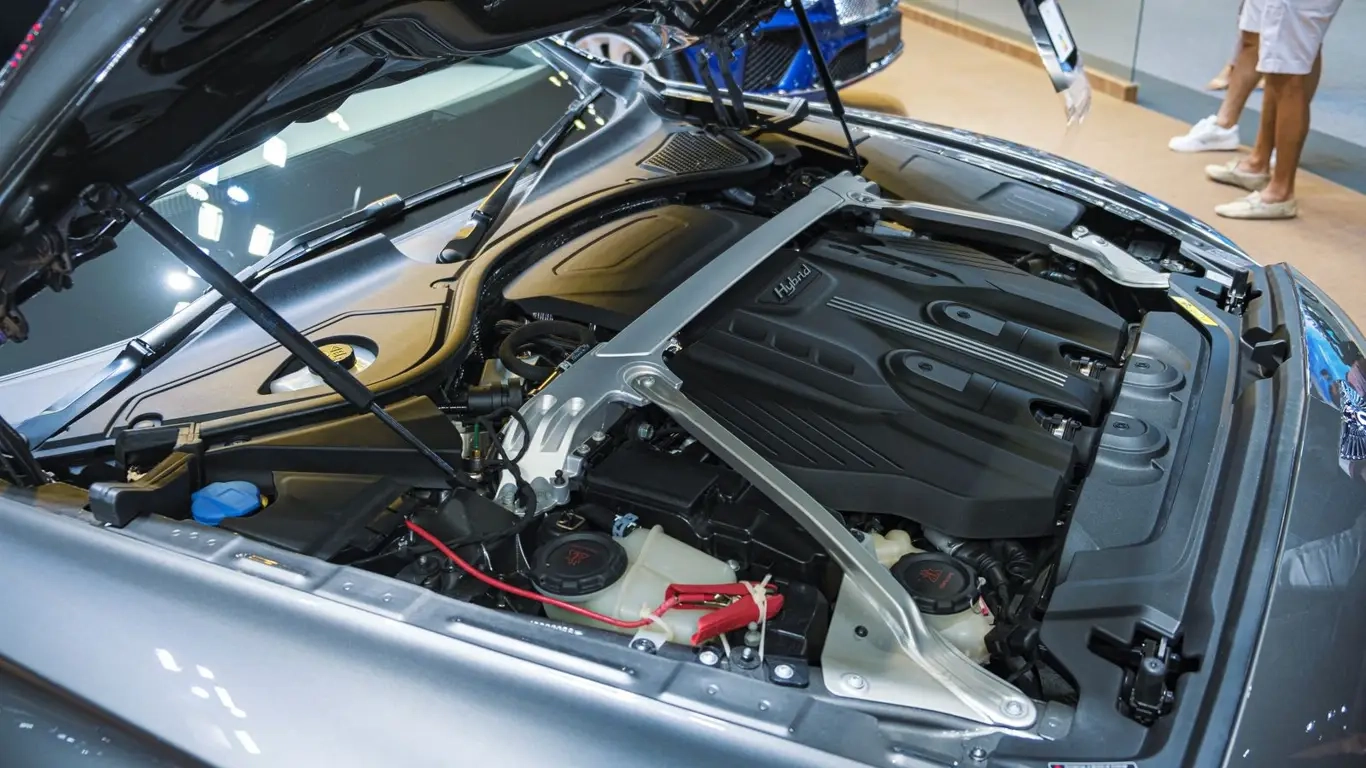
Recent data shows plug-in hybrids consume around 6 liters per 100 km, three times more than advertised. Learn why and how this affects UK market trends.
Plug-in hybrids will remain on sale in the UK until 2035, but their reputation as ultra-economical vehicles has come under serious scrutiny. Recent data from Germany’s Fraunhofer Institute reveals that real-world fuel consumption for PHEVs produced between 2021 and 2023 differs significantly from their certified figures.
Manufacturers claimed these hybrids would consume just 1–2 liters per 100 kilometers by relying heavily on electric mode. However, a study based on monitoring driving patterns and powertrain operation shows an average fuel consumption of around 6 liters per 100 kilometers—three times higher than promised. This gap arises because the internal combustion engine activates much more frequently than the WLTP testing methodology assumes.
Even in electric mode, PHEVs use more fuel than expected: the system often starts the engine to maintain temperature, recharge the battery, or provide backup power. As a result, plug-in hybrids can be less efficient in real-world use than automakers advertise.
The worst-performing models in the tests consumed 7 liters more per 100 kilometers than the best in the segment. Manufacturers point to the accuracy of official measurements and the influence of factors like driving style, road conditions, and climate.
Despite the criticism, the UK’s PHEV market is growing, with 18,557 vehicles registered in January—a 47.3% increase over the previous year. For many drivers, hybrids serve as a stepping stone before switching to fully electric vehicles, though research data is prompting a reassessment of expectations for this class.