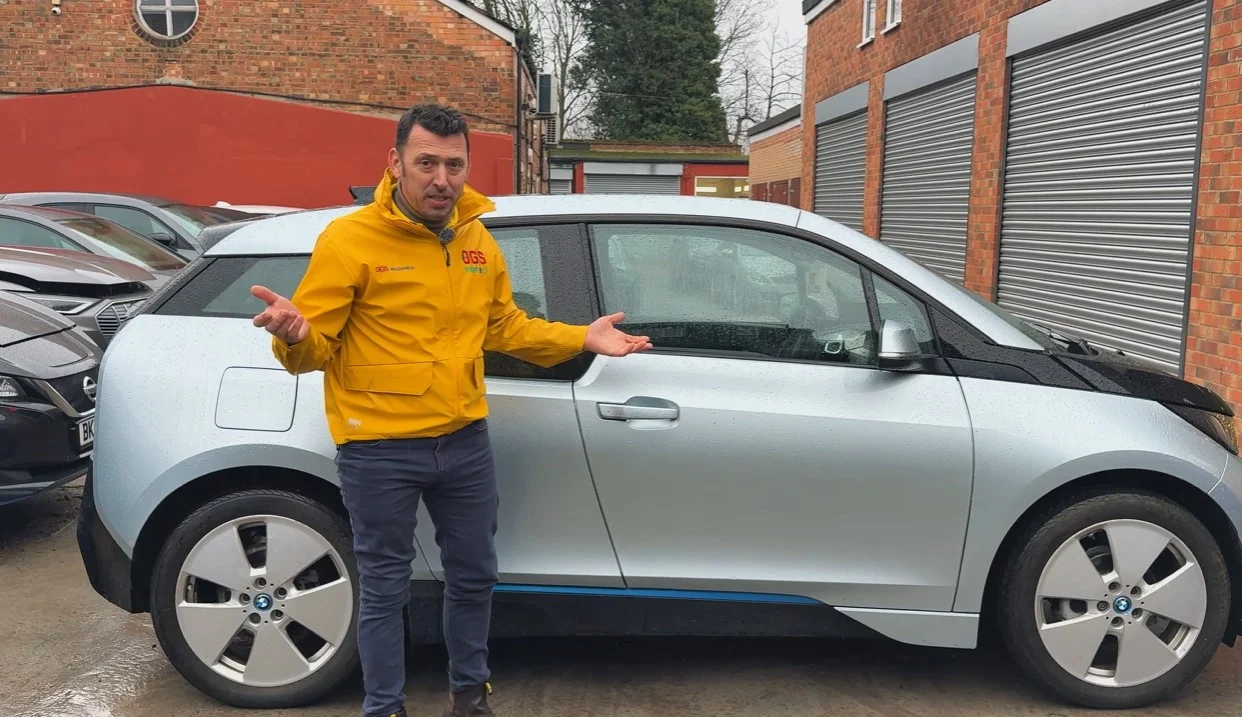
A $1,300 gamble on a dead electric car recently evolved into a specialized engineering project after a massive battery upgrade completely transformed the factory driving range.
This particular BMW arrived at the workshop as a total non-runner with a high-voltage system that refused to communicate with any diagnostic tools.
George from OS Mechanics avoided a $4,000 replacement bill by performing a surgical software recovery on the car’s internal brain.
The restoration process involved a deep dive into the vehicle’s hardware that suggested the car’s initial diagnosis was far from the final reality.
VISIT SBX CARS – View live supercar auctions powered by Supercar Blondie
Reviving a dead electric car
The primary issue centered on the electric motor inverter, a component that typically costs around $4,000 to replace through official channels.
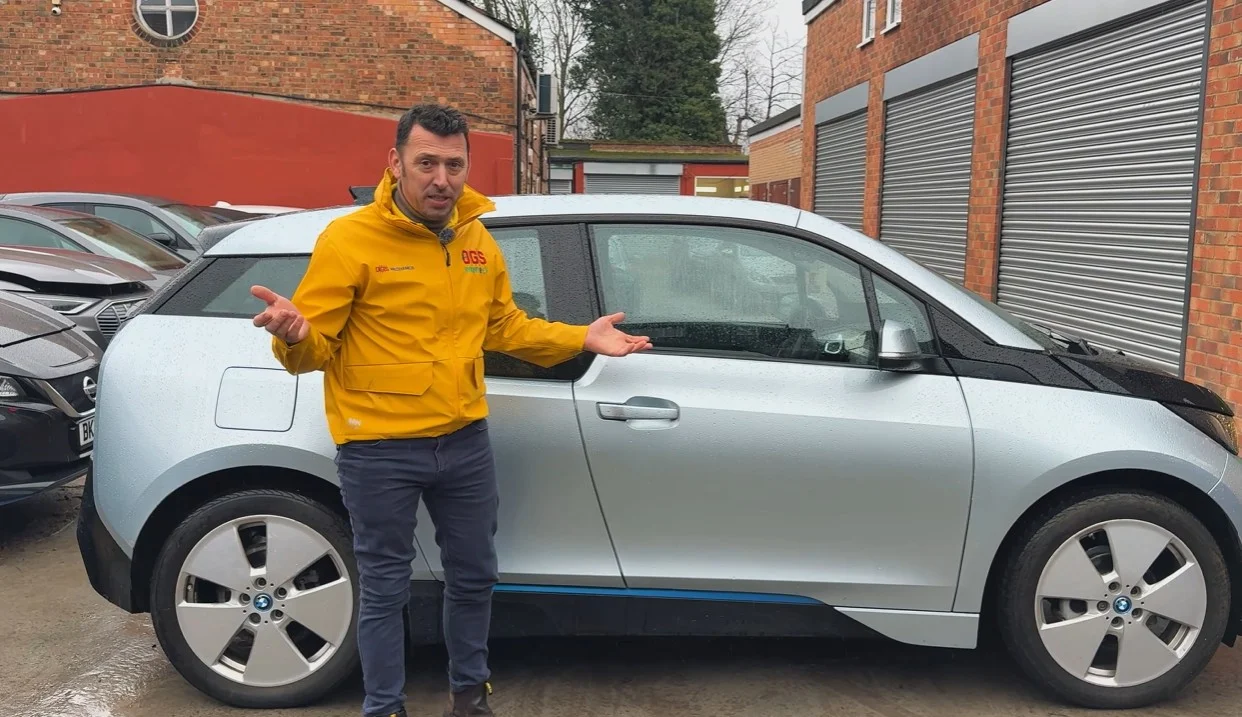
George discovered that the BMW i3 suffered from corrupted software data following a failure of its 12V auxiliary battery.
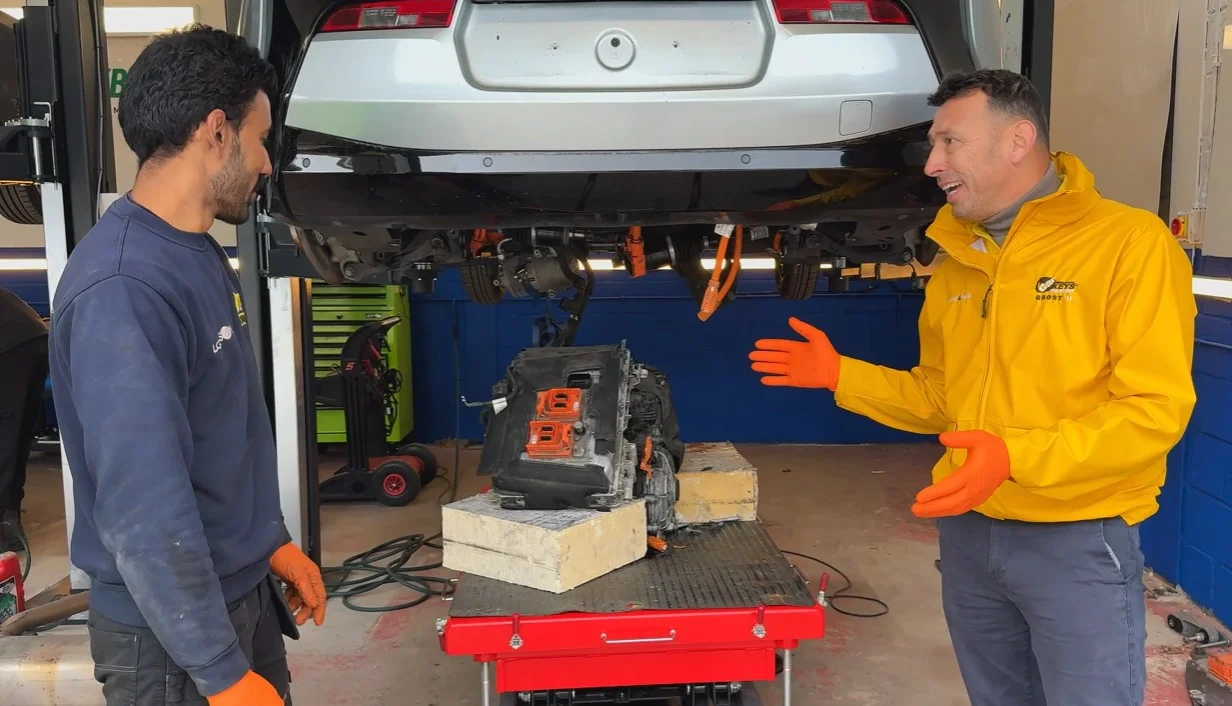
Instead of sourcing a new unit, the team extracted the original inverter and utilized specialized tools to reflash its memory.
 OGS & Mechanics via YouTube
This internal data recovery brought the ‘Ready’ indicator back to the instrument cluster and allowed the electric car to drive.
It is a telling example of how many older EVs are sidelined by digital glitches rather than mechanical wear.
Once the vehicle was operational, the focus shifted to its energy capacity.
The early 60Ah cells provided a driving range that restricted the car to short urban trips.
 OGS & Mechanics via YouTube
Real-world testing confirmed that the electric car would struggle to maintain 50 miles of autonomy in cold conditions or on the freeway.
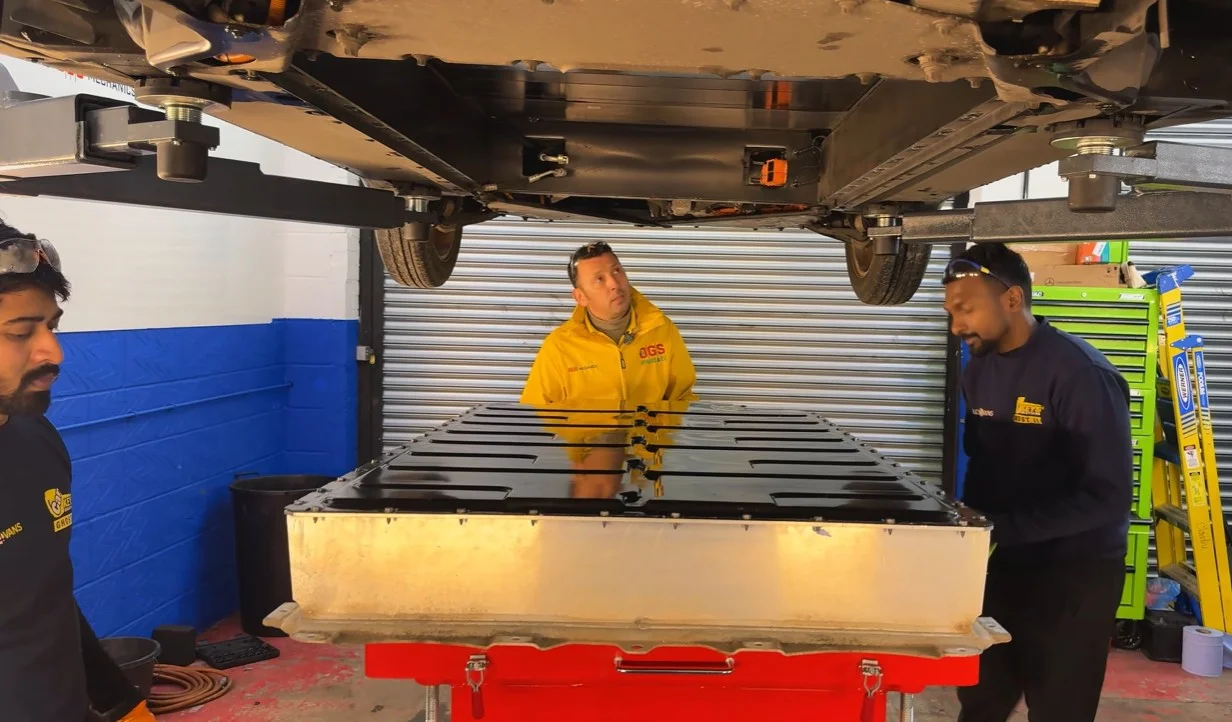
George sourced a 120Ah battery pack from a 2019 model to perform a full battery upgrade.
This process required removing the entire battery enclosure from the floor of the chassis and swapping the internal modules.
The higher-density cells occupy the same physical footprint as the original set.
Triple the range, half the price
The new battery modules transformed the BMW i3 into a much more versatile electric car with a vastly improved driving range.
After updating the software to recognize the new 120Ah capacity, the range estimates on the dashboard jumped significantly.
Initial test drives showed the driving range had increased to over 170 miles on a full charge.
This result confirms that the first-generation i3 chassis can easily accommodate modern battery technology.
The total investment for the car and parts reached approximately $4,500.
 OGS & Mechanics via YouTube
By pairing software restoration with a high-capacity cell swap, this BMW i3 now offers the same utility as many current models on the market.
The project shows that the physical lifespan of an electric car can be extended far beyond its original factory specifications.
This car is now a functional daily driver with a driving range that allows for motorway travel without frequent charging stops.
As salvage components from newer EVs become more accessible, these independent retrofits will likely become a more common sight in the used market.
DISCOVER SBX CARS:
The global premium car auction platform powered by Supercar Blondie