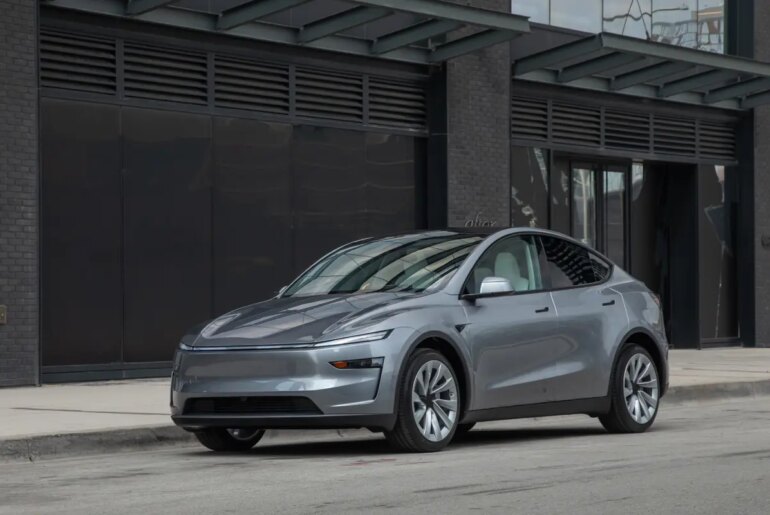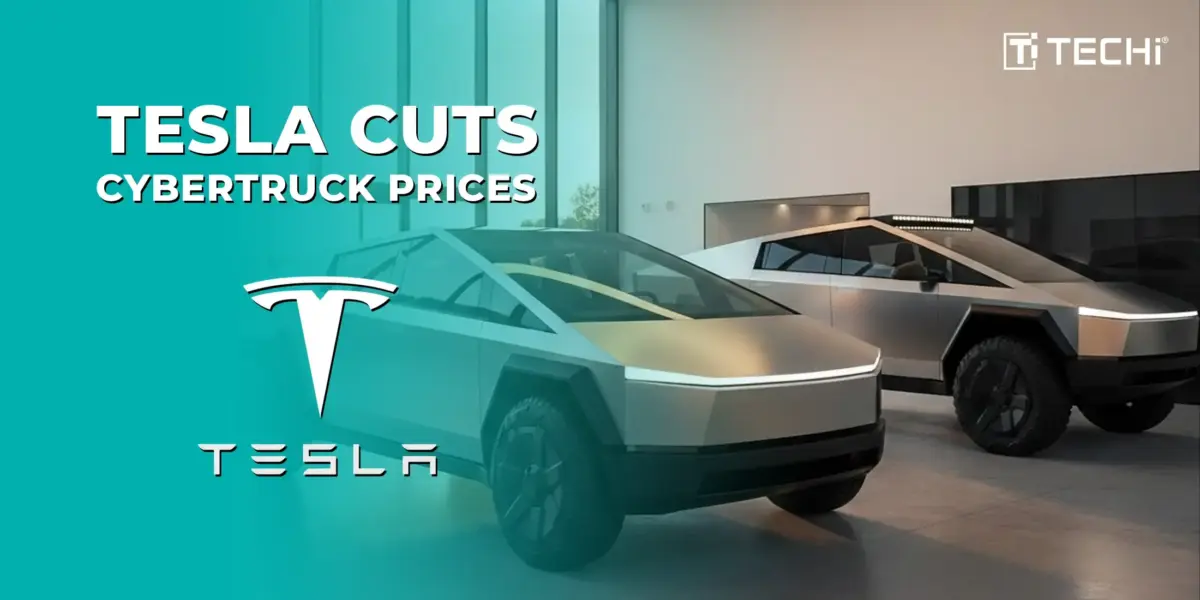
Tesla has come up with a cheaper model of the CyberTracker in the United States in a bid to rejuvenate the demand of their electric pickup truck. The updated two-motor all-wheel-drive is priced at US$59,990, thus making it the cheapest CyberTracker ever to date. At the same time, the producer has made its most high-end model the CyberTracker cheaper by lowering its cost to US$99,990 compared to the earlier mentioned US$114,990.
The re-adjustment illustrates an increased dependency on price approach in an attempt to motivate consumer re-entry into the Tesla showroom experience. Electric pickup sales have not been as high as initially projected and the level of demand of CyberTracker has not been as high as expected at the time of launch as it was originally projected.
Change of strategy to affordability
Lowering prices is also one of the central elements of the Tesla strategic plan of 2026. Instead of waiting to produce another product line that is relatively cheap, the company is deciding to lower prices of current models in an effort to attract consumers who are becoming more sensitive to the rising cost of living. Tesla is also seemingly dropping its former high-end positioning.
The company is also dropping the Luxe Package that was provided on the CyberTracker, which included Supervised Full Self-Driving and free access to the Supercharger network. This option had been added as late as August after the price was increased; dropping it is used to reduce the headline price and reduce the purchasing offering to the potential customers.
More difficult market of electric cars
The greater market of electric vehicles has reduced because the US federal tax credit of $7,500 was eliminated under the Trump government. At the same time, international auto manufacturing companies have increased their intensity of competition especially in the low-end markets. Analysts warn that further sale of cheaper cars can further put pressure on the profit margins unless Tesla can accomplish a cut on its manufacturing expenses or increase its revenue base through software and services.
The broader change is pointed out in factory plans
Recently, the chief executive, Elon Musk, declared that Tesla would no longer assemble its Model X and Model S cars and instead use the space of its California plant to produce humanoid robots. This move is an indication of a wider shift in priorities as Tesla tries to strike a balance between the short-term demands of sales and the longer-term demands to invest in technology and automation.