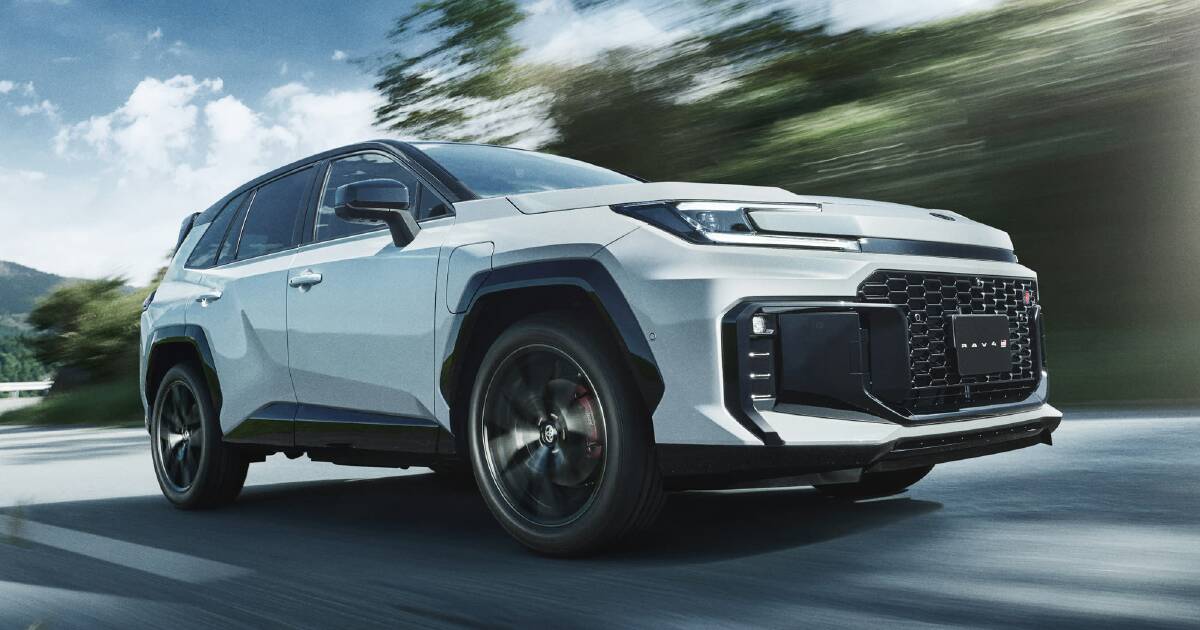
Toyota’s highly-anticipated RAV4 plug-in hybrid has launched in its home market of Japan, with the brand revealing more core specifications, as well as details of what sets the PHEV apart from the rest of the variants in the range.
While the new-generation RAV4 will arrive in Australia soon in popular plugless hybrid guise, the plug-in hybrid is still slated for the third quarter of 2026.
Local pricing has already been revealed for the two Australian PHEV variants, the front-wheel drive XSE ($58,840) and top-spec all-wheel-drive GR Sport ($66,340), but thanks to new Japanese specs we have an idea of what makes the plug-in version special.
Read more
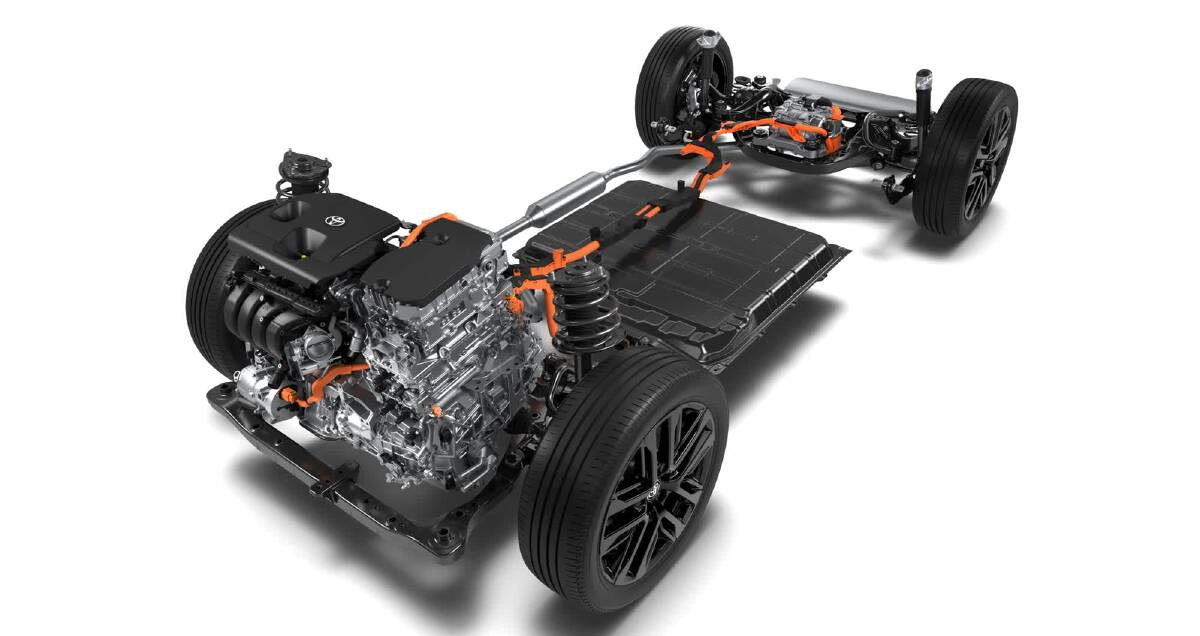
Also arriving in two grades in Japan (the Z and GR-Sport), the RAV4 PHEV is equipped with a 2.5-litre four-cylinder petrol engine and dual electric motors. Locally, the power outputs are confirmed at 227kW for the AWD and 200kW for the FWD version.
According to preliminary Japanese specs, the EV driving range for the PHEV is approximately 150km, an increase on what Toyota Australia was expecting (around 100km on the WLTP cycle), thanks to a 22.7kWh battery pack.
The car is confirmed to have 50kW DC fast charging capability (which should allow a top up in around half an hour) and an 11kW AC slow-charging capability (for a full charge in around two hours).
Some of the biggest news out of Japan include the RAV4 PHEV’s vehicle-to-load system, which allows power output from the battery either via the external charging port, or via an internal household outlet plug in the boot.
The brand says the system can output up to 1500W, and has a dedicated power supply mode which can provide 6.5 days of power at a load of 400W if the vehicle has a full charge and tank of petrol, or up to seven days in supply priority mode.
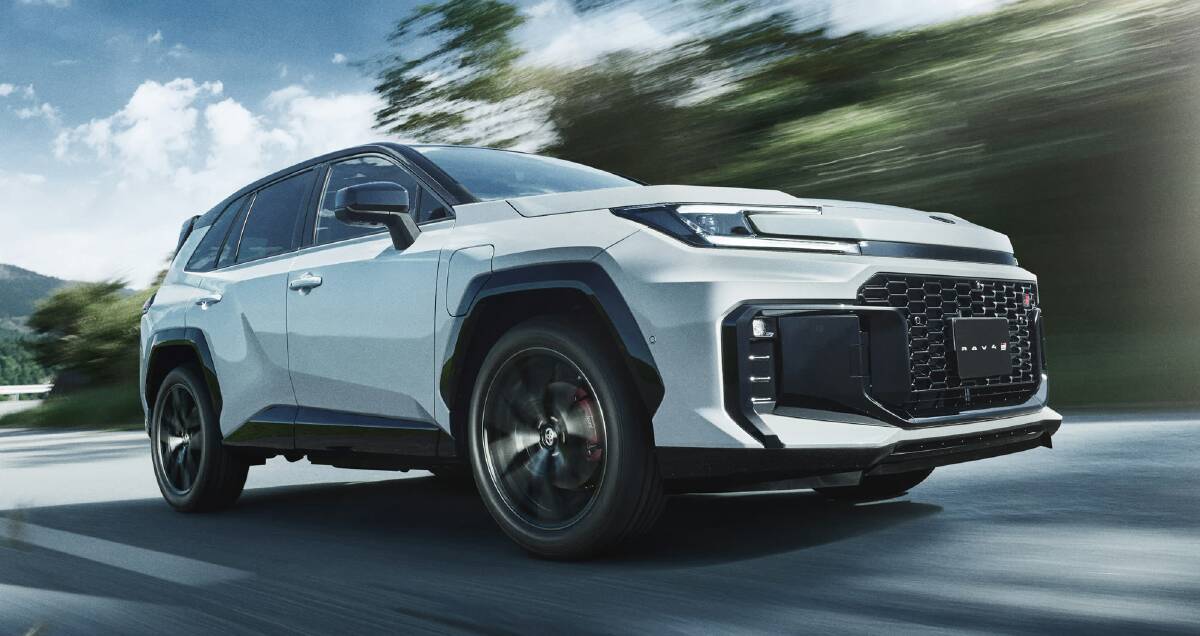
In addition, Toyota revealed new details for the top-spec GR Sport RAV4 PHEV which has several upgrades on top of its more aggressive styling.
For example, the GR Sport flagship features functional spoiler pieces for increasing downforce front and rear, performance dampers and brace reinforcement in the suspension, as well as a bespoke power steering tune to make it more responsive than the standard RAV4.
 View +3 Photos
The new-generation RAV4 rides on the same platform as the outgoing car, although significant changes have been made to improve software and the cabin layout.
Toyota expects the RAV4 will be Australia’s best-selling vehicle in 2026, although prices have increased slightly across the board for the new-generation version.
While the Japanese juggernaut is still by far the best-selling brand Down Under, it is facing a renewed push by aggressive Chinese rivals which have shaken up the list of Australia’s top-10 favourite automakers.
BYD has made no illusions about its intent to challenge Toyota’s dominance, plotting a podium finish in 2026 and declaring it needs to have a vehicle in all the market segments Toyota does if it wants to take a “leadership position” in Australia.
GWM has also secured a position in the top-10 rankings, while MG will be defending its position in 2026 as it struggles to lure its buyers into the higher price points of its new-generation offerings.
It seems inevitable that Chery will also be giving Australia’s favourite brands a run for their money as it surges up the sales charts off the back of a wide-ranging array of well-priced products.
While the RAV4 will be key to Toyota’s continued success, it also recently released its new-generation HiLux which will also be challenged across the board by a changing ute landscape.
In response to the arrival of new electrified rivals, Toyota said it is plotting more plug-in hybrids and more electric vehicles for Australia to be announced imminently.