
ⓘ Porsche
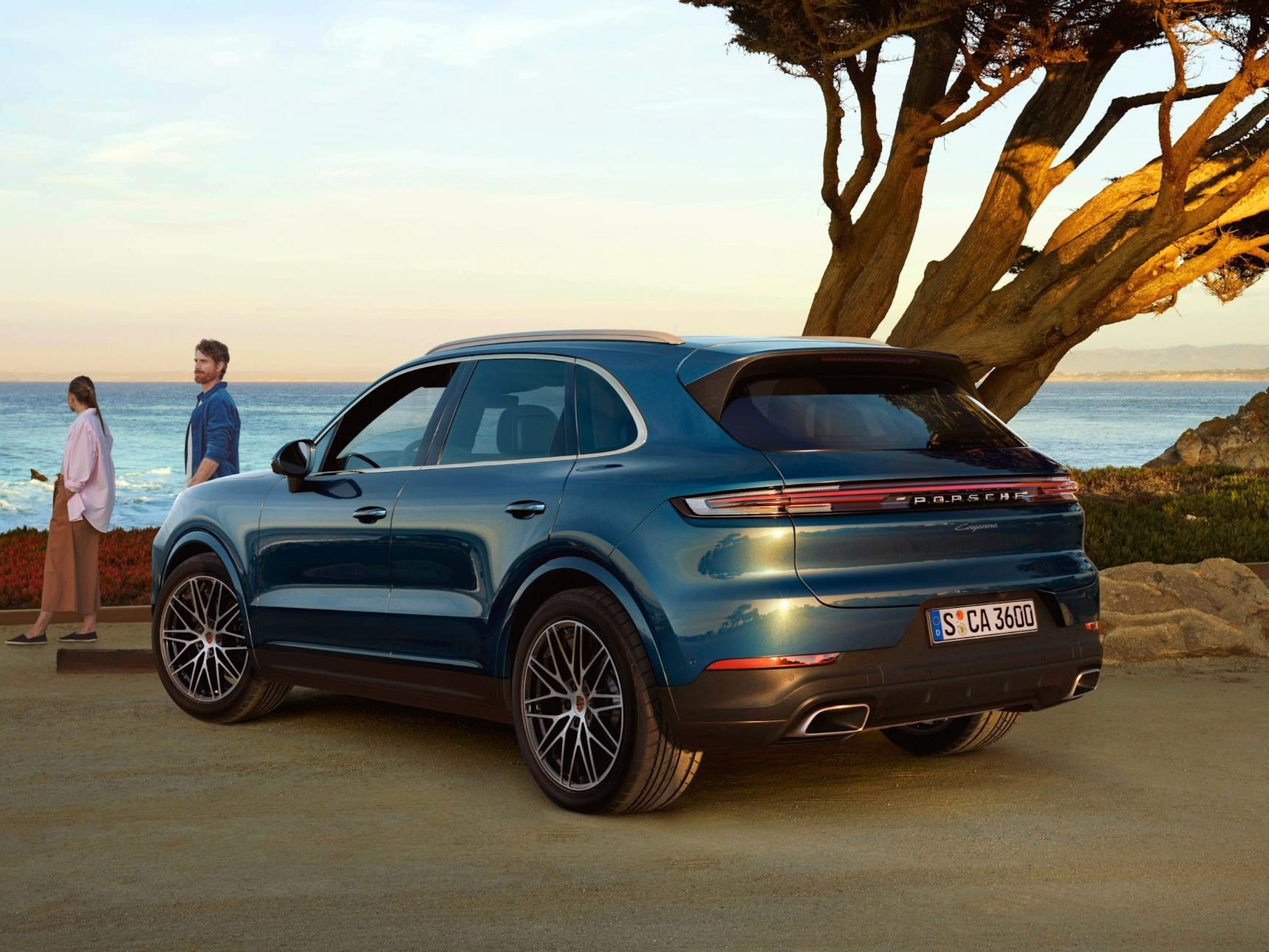
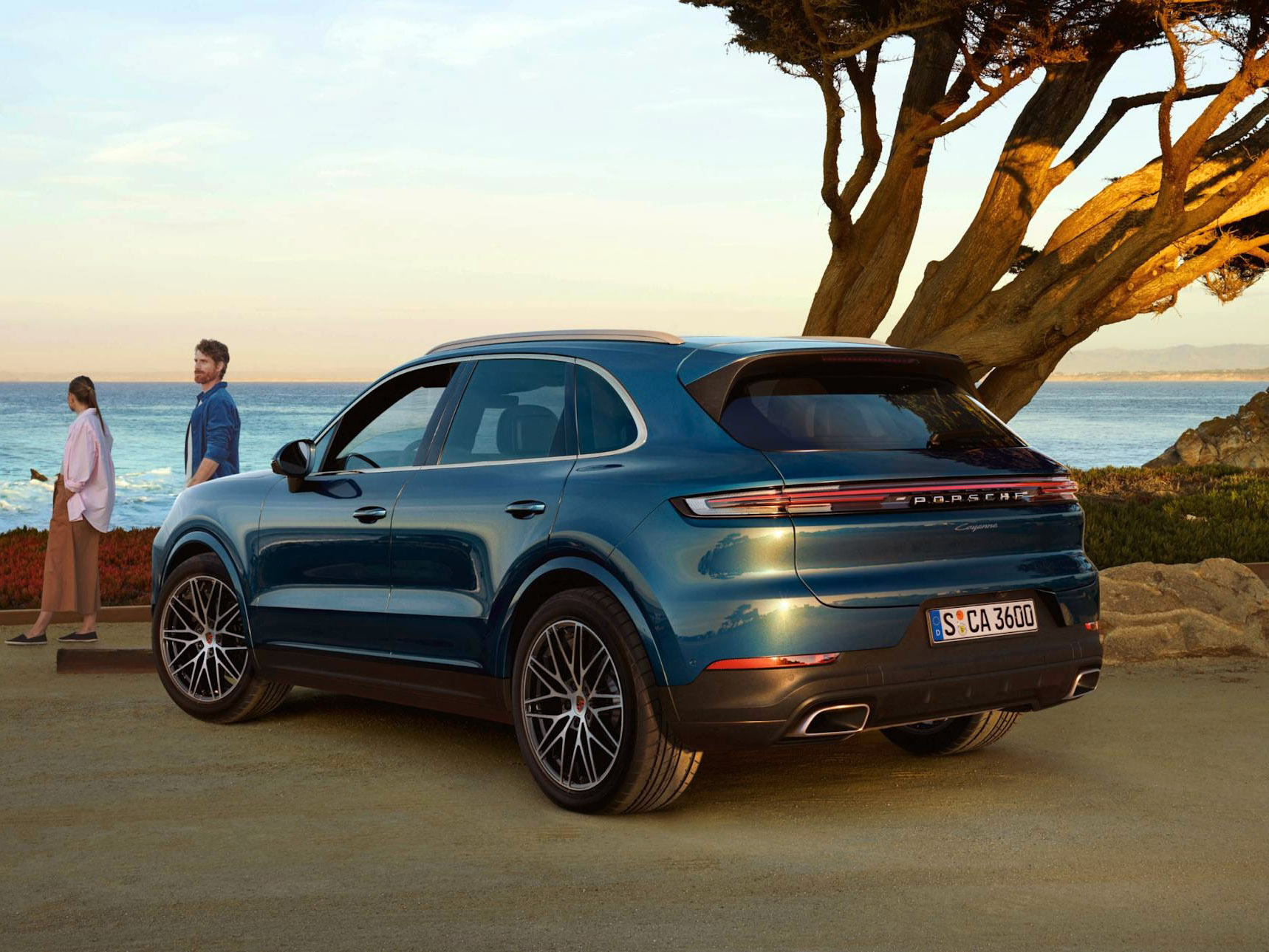
Porsche Cayenne plug-in hybrid electric SUV.
The Asian brands like KIA or Toyota did well in a new plug-in hybrid electric vehicle true fuel efficiency study. The German ones, especially the more powerful vehicles, exceeded the manufacturer claims threefold.
According to most automaker specifications, their plug-in hybrid electric vehicles (PHEV) are sipping less than a gallon of fuel per 100 miles, but a new comprehensive study exposes these claims as misleading.
The storied applied research organization Fraunhofer dove deep into the daily driving scenarios that would paint a more realistic picture about the true fuel consumption of plug-in hybrids that offer both a gas-powered engine and a battery that can be charged from the grid.
Fraunhofer tested a number of PHEVs from the 2021-2023 model years and found out that their engines kicked in way more often than manufacturers inferred and consumed more fuel than stated when operational. Instead of half or even a quarter of a gallon (1-2 liters) per 100 km, as most manufacturer specifications claim, the plug-in hybrids in fact consumed a gallon and a half of fuel on average.
This threefold increase in fuel consumption compared to the automakers’ fuel efficiency claims puts PHEVs on par with run-of-the-mill hybrids whose auxiliary battery can’t be charged from an external power source for prolonged electric-only propulsion. As could be expected, the worst offenders that ruined the plug-in hybrid party for everyone were the more powerful vehicles like Porsches that consumed 7 l/100 km on average. Porsche said that it did the efficiency tests according to the legal requirements, and the different usage patterns of its cars may have been responsible for the excessive fuel consumption.
When it comes to brands, the Asian automakers like Toyota or KIA did best, but also the cheaper cars from Ford or Renault that have smaller engines largely matched their manufacturers’ fuel efficiency claims.
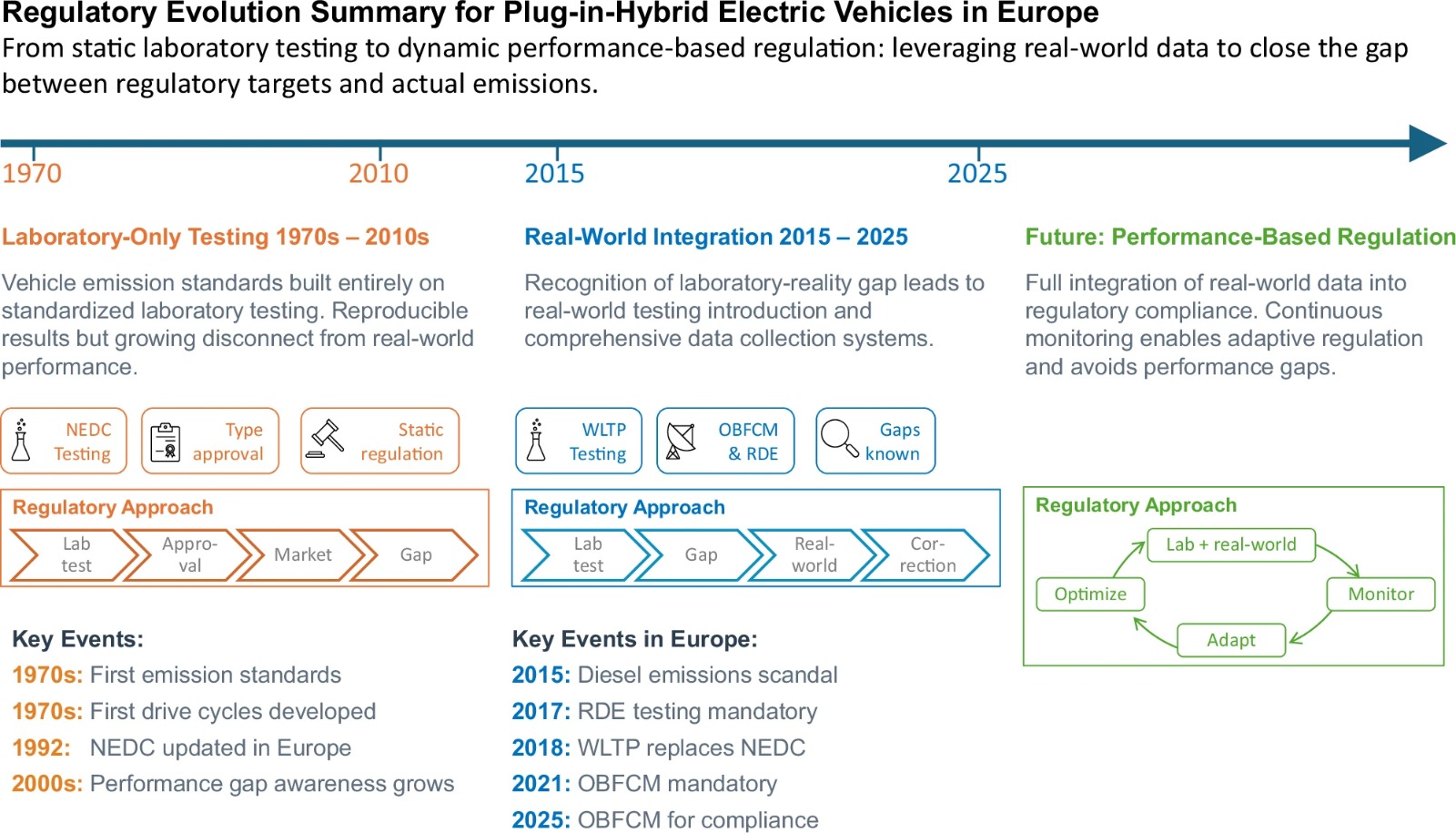
“Laboratory cycles assume daily charging and short trips, which results in low official CO₂ values. But most drivers do not charge daily, and many travel longer distances. As a result, average real-world fuel consumption is several times higher,” explains Fraunhofer’s Patrick Plötz. The authors argue that their PHEV efficiency study should result in regulatory changes when it comes to emission testing and certification, too.
Get the Tesla Universal Wall Connector with 24′ Cable on Amazon
ⓘ Fraunhofer
“Regulate reality in vehicle emission policy” PHEV efficiency study chart.
 Daniel Zlatev – Senior Tech Writer – 2067 articles published on Notebookcheck since 2021
Wooed by tech since the industrial espionage of Apple computers and the times of pixelized Nintendos, Daniel went and opened a gaming club when personal computers and consoles were still an expensive rarity. Nowadays, fascination is not with specs and speed but rather the lifestyle that computers in our pocket, house, and car have shoehorned us in, from the infinite scroll and the privacy hazards to authenticating every bit and move of our existence.