
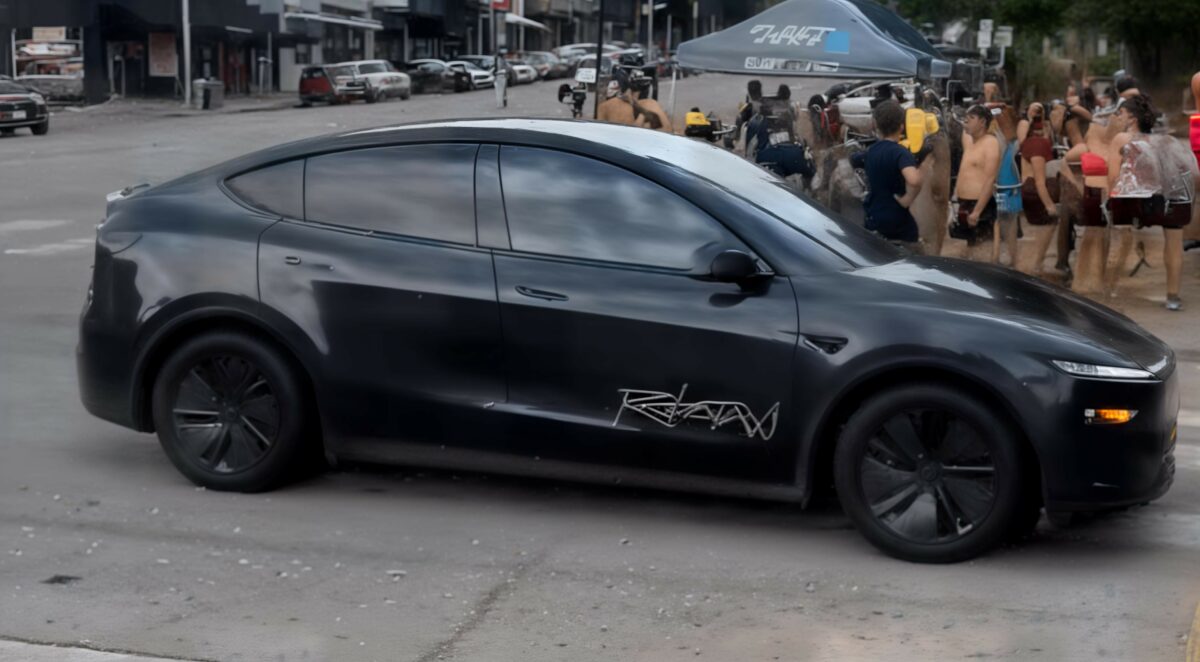
In the last eight months, Tesla’s small Austin robotaxi fleet has logged 14 crashes. By Stewart Burnett
Tesla’s robotaxi service in Austin has been involved in 14 crashes since launching in June 2025, according to data filed with the National Highway Traffic Safety Administration, despite a small fleet operating at around 19% availability according to estimates by Electrek. Five of the incidents occurred in December and January alone, including a collision with an Austin city bus while a robotaxi was stationary and two separate incidents in which vehicles reversed into fixed objects in parking lots.
Extrapolating from Tesla’s fourth-quarter earnings mileage data, which showed roughly 700,000 cumulative paid miles through November, the fleet is estimated to have surpassed 800,000 miles by mid-January — placing its crash rate at approximately one incident every 57,000 miles. It can be inferred that the automaker is also including its Full Self-Driving ‘chauffeur’ service in California as part of this total.
Tesla’s own Vehicle Safety Report claims that the average US driver experiences a minor collision every 229,000 miles, meaning the robotaxi fleet is crashing four times more often even by the company’s own benchmark. Electrek contends that the average vehicle crash rate is once per 500,000 miles driven, citing police data—this would place the robotaxi crash figure closer to nine times the human average.
The data is further complicated by a disclosure buried in Tesla’s latest NHTSA filing: a crash from July 2025, originally logged as property damage only, was quietly upgraded in December to include a minor injury requiring hospitalisation. This came five months after the incident occurred and without any public announcement from the company.
Waymo, by contrast, is appreciably more forthright when a crash occurs involving one of its vehicles. Even if it is arguing for the relative safety of its vehicles compared with human drivers, it has attempted transparency when crashes occur. This can be observed, for example, in the incident last month when a child was struck by a robotaxi in Santa Monica.
Unlike every other automated driving system operator in the NHTSA database—which includes Waymo, Amazon’s Zoox, and autonomous trucking firm Aurora—Tesla has redacted the narrative section of each crash report. It has done this on the basis of protecting confidential business information. Such omissions make it impossible for an external party to independently assess fault, the role of safety monitors, or whether the incidents were avoidable.
All 14 crashes occurred while trained safety monitors were present in the vehicles, a factor that Electrek notes likely prevented additional incidents the system would not have avoided independently. Tesla began offering a limited number of rides without safety monitors in Austin in late January, shortly after recording four crashes in the first half of that month. Those unsupervised rides were largely confined to a narrow corridor along South Congress Avenue and Lamar Street and subsequently vanished from independent tracking platforms within days of being announced.
Austin remains the only city where Tesla offers robotaxi rides to the public, with Electrek’s independent trackers counting approximately 42 active vehicles against an earlier target of 500 by the end of 2025, later revised downwards to about 60 and still not met. Waymo, by comparison, operates around 200 fully driverless vehicles in Austin through the Uber platform.
Tesla has said it plans to expand its robotaxi service to seven additional US cities in the first half of 2026. Chief Executive Elon Musk also predicted that the automaker would expand robotaxi coverage to half of the US by end-2025, but of course no such thing actually happened.