 Key PointsBYD Racco targets Japan’s unique Kei car segmentTwo battery options offer 200 km and 300 kmSliding doors improve urban practicality and accessPossible 100 kW DC charging for small batteryAustralia does not have a Kei category,but appetite persists
BYD is preparing to enter one of the world’s most specialised car segments with its smallest electric vehicle yet, and fresh details from Japan suggest this pint-sized hatch is more than just a concept experiment.
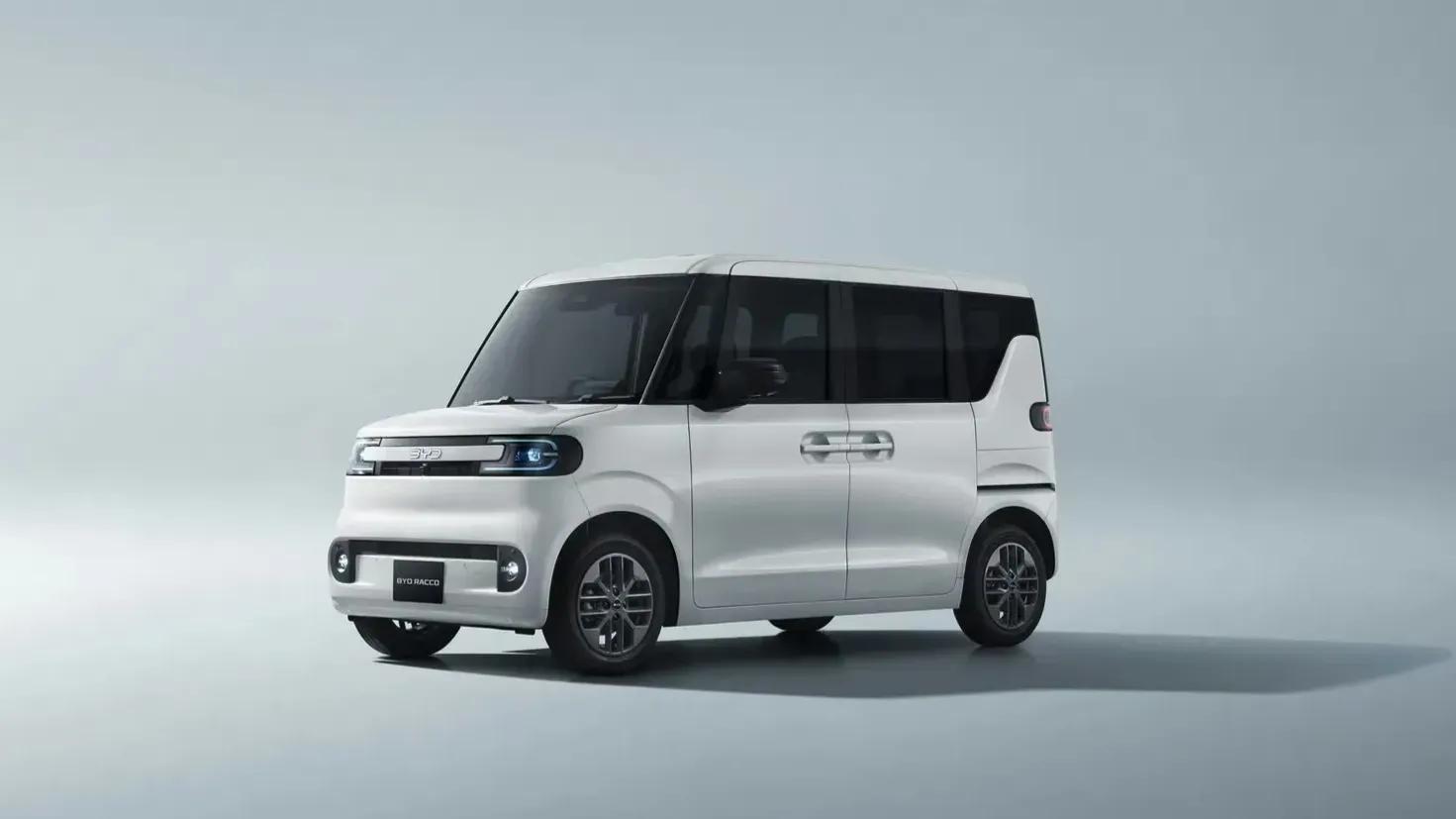
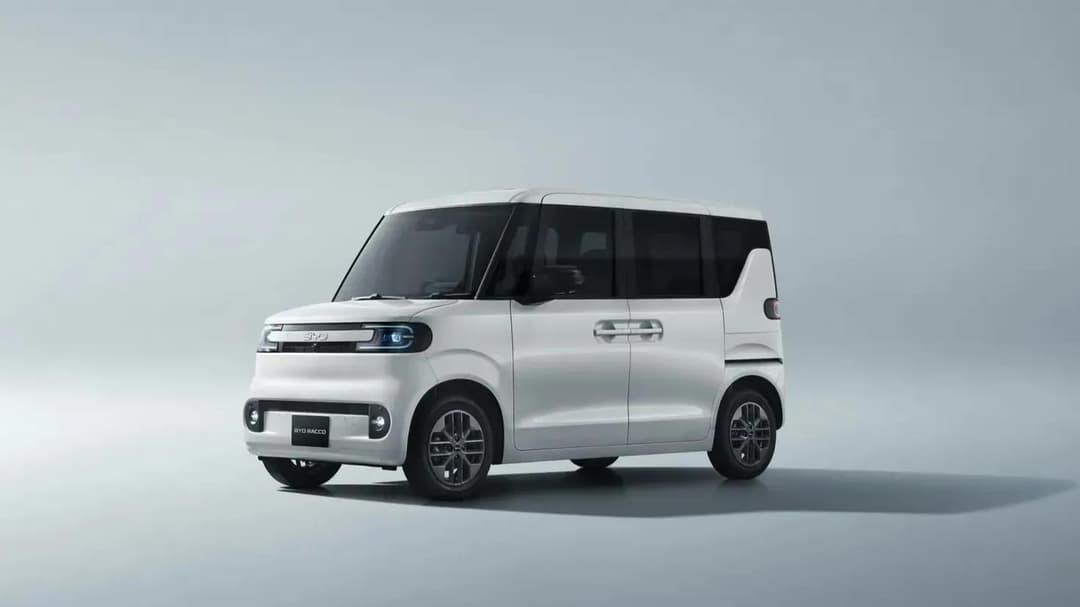
First previewed at the Tokyo Motor Show, the 2026 BYD Racco, which translates to “Sea Otter”, is aimed squarely at Japan’s fiercely competitive Kei car market. Now, new information shared by BYD Japan confirms battery sizes, target range and the brand’s broader ambitions for a so-called small EV revolution.
For Australian readers, this is less about imminent local sales and more about understanding how far BYD is willing to localise products for specific markets.
Built for Japan’s Kei battlefield
Japan’s Kei segment is unlike anything else globally. Vehicles are tightly regulated for size and power, traditionally running tiny 660 cc petrol engines and prioritising urban practicality above all else.
The Racco has been engineered specifically to meet these constraints:
Compact boxy proportions for maximum interior spaceSliding rear doors for tight parking situationsTall roofline to improve headroom and ease of entryEV-exclusive platform packaging
BYD says its goal was to deliver the “best minicar in the EV category,” focusing heavily on everyday tasks such as commuting, school drop-offs and grocery runs.
The sliding door setup is particularly important. In crowded Japanese cities, that feature alone can determine whether a model succeeds.
Two battery options, city-focused range
Battery capacity is modest, but that is entirely the point.
BYD has confirmed two pack sizes:
20 kWh battery delivering around 200 km range30 kWh battery delivering around 300 km range
For urban driving, those figures are more than sufficient, and the smaller battery keeps weight and cost down. Earlier reports suggest DC fast charging of up to 100 kW could be supported, which would be impressive for a battery this size, though final confirmation is still pending.
Charging expectations include:
AC home charging compatibilityDC fast charging supportUrban-focused efficiency tuning
Small battery. Big usability.
Loading…