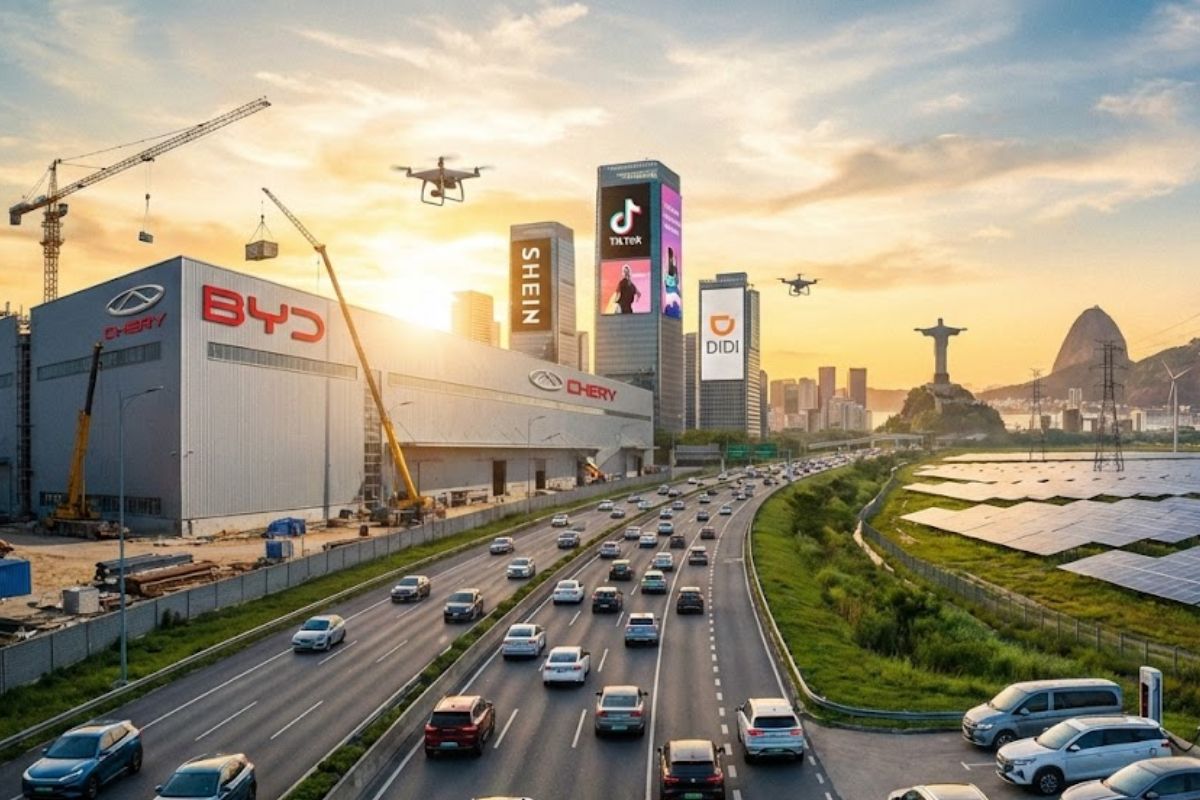
As Chinese giants They began to treat Brazil as a platform for continuous operations, and not just as an export destination. This movement is appearing in different but interconnected sectors: the automotive industry, digital services, infrastructure, and energy. The strategy combines physical presence, commercial scale, and long-term market building..
In recent years, this progress has gone from being a promise to becoming a reality. The country has received factories in existing industrial structures, launched new brands aimed at higher-value niches, and seen services… Chinese expand competition for urban users. The focus of the relationship has shifted: less commercial showcase, more productive and institutional roots..
From imports to local production: where the strategy gained traction.
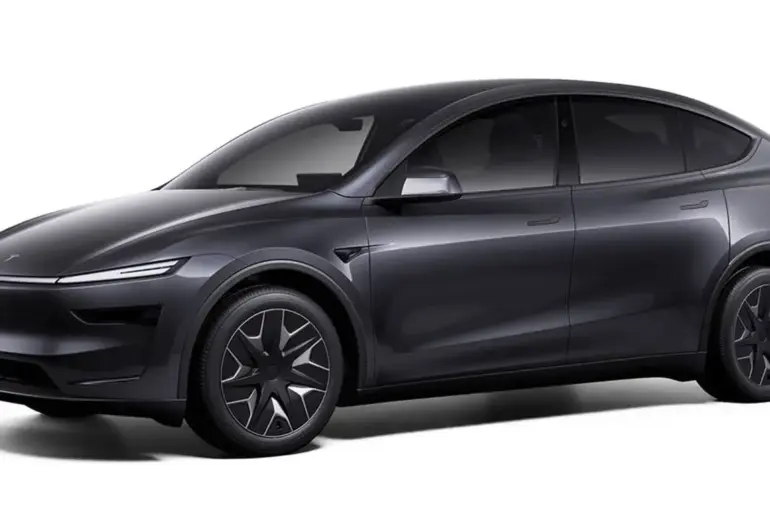
The most visible shift is in the industry. In 2022, BYD took a decisive step by expanding its commitment to the Brazilian market; four years later, it reinforced this commitment with the launch of the luxury brand Denza. The opening of a plant in Camaçari, Bahia, in an area previously occupied by Ford, symbolizes this change in scale. It’s not just about selling cars in the country, but about structuring an operation to remain..
— ARTICLE CONTINUES BELOW —
See also other features
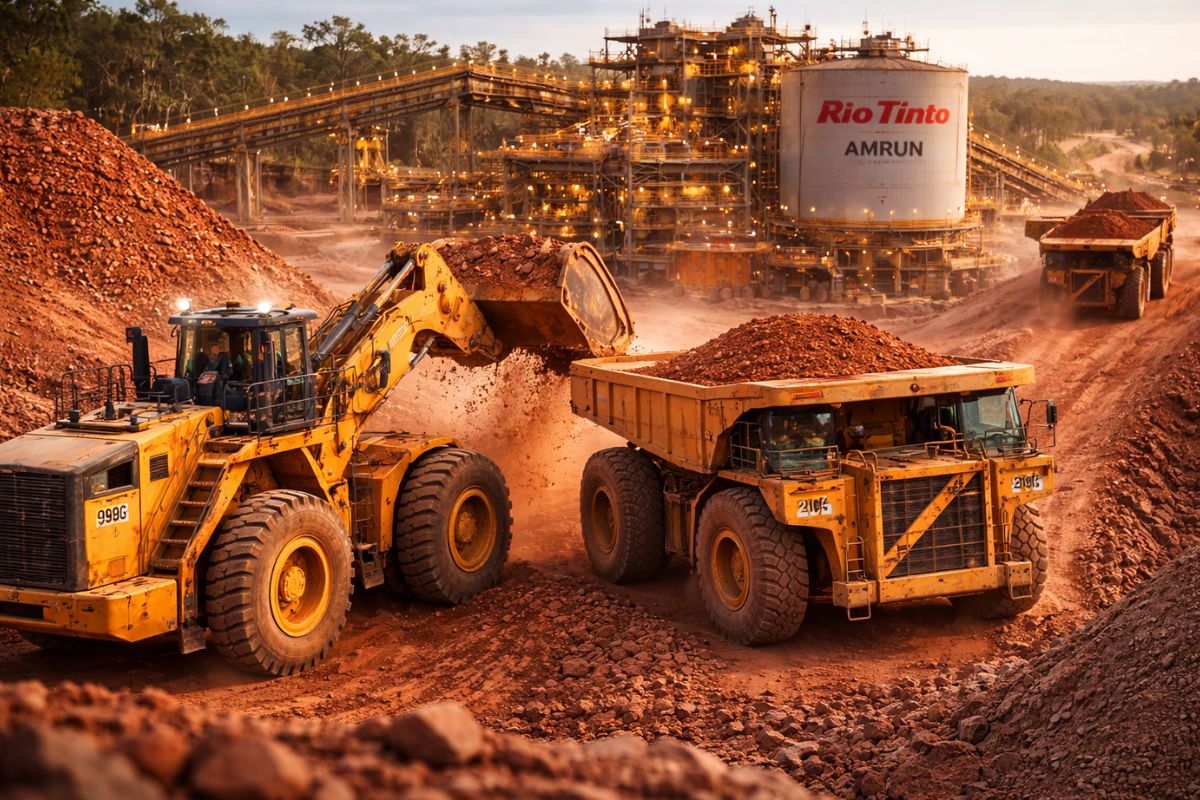
The mine, which operates like clockwork and supplies aluminum for airplanes, cans, and electronics, uses Rio Tinto’s Amrun plant, employing Caterpillar 993 tractors, GPS for cutting, soil removal, and surcharge operations, and giant trucks that continuously dump goods to keep the plant constantly full.
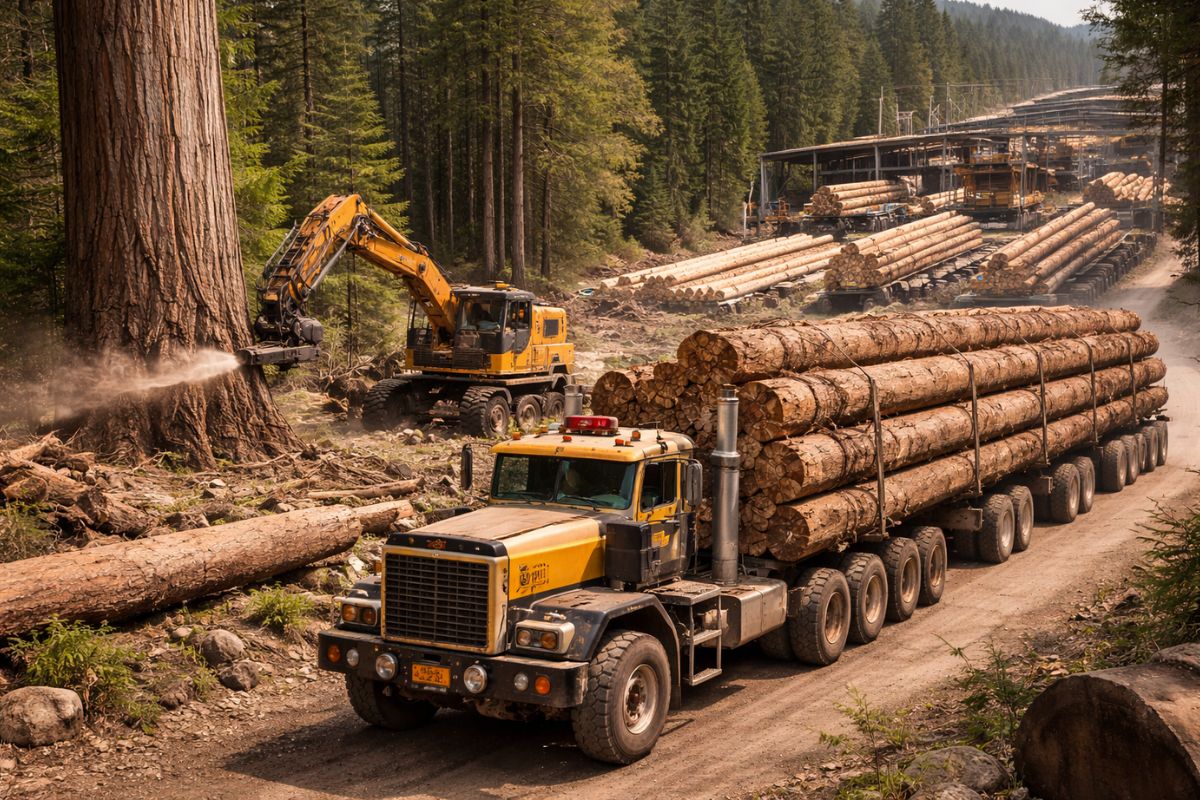
Canada has placed the largest trees in the north within a system that resembles a military one: millimeter-precise felling, logistics with legendary machines like the 150-ton Pacific P16, and a near-automated factory that transforms raw logs into long, strong, and certified LVL beams.
Expert tip: organize your wardrobe in minutes!

A Chinese farmer who is missing both legs has planted more than 17 trees over 19 years in a region affected by desertification.


GWM followed a similar path by opening a factory in a facility previously owned by Mercedes. This use of existing industrial assets reduces time to market, accelerates logistical adaptation, and allows for rapid testing of market responses. When two automakers move forward with local production in facilities of this size, it signals a long-term commitment, not an opportunistic presence..
Electric mobility as a technological showcase and commercial gateway.
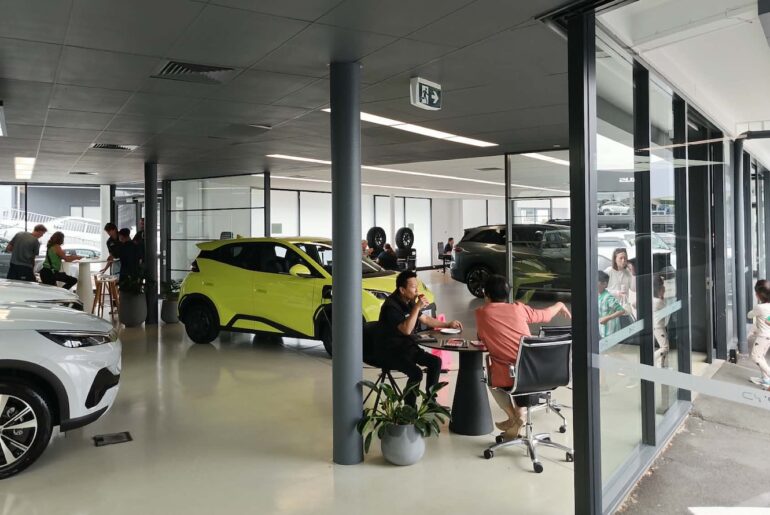
Electric mobility has been the most public face of this new cycle. Over the past two years, it has captured the attention of consumers, investors, and the traditional automotive sector. At recent events, such as the São Paulo Auto Show, other Chinese companies have also presented products and expansion plans. The sector has become a laboratory for brand positioning, technology, and pricing..
At the same time, the premium segment gained relevance. The entry of a high-end luxury brand into the country indicates that the strategy is not limited to entry-level vehicles or the mass energy transition; there is also a battle for reputation, margins, and long-term customer loyalty. The combination of volume and value is one of the key points to understanding why Brazil has become a priority..
Digital services and platforms: the daily battle for the consumer.
The advance was not limited to heavy industry. In the service sector, the expansion of Didi under the 99 brand reinforced competition for urban mobility and digital presence in daily life. In parallel, the arrival of a new Chinese delivery platform, Keeta, increased the competition for frequency of use and market share in local markets. Whoever controls the interface with the daily user gains consumer intelligence and scalability..
This movement repositions the economic debate: it’s not just about physical products, but about service ecosystems. Ride-hailing and delivery apps operate as invisible commercial infrastructure, connecting payments, logistics, and urban habits. When industry and platform grow simultaneously, the impact on the domestic market tends to be deeper and more lasting..
Energy and infrastructure: the silent foundation that supports progress.
In infrastructure, the Chinese presence was already well-established, especially in electricity generation and transmission. Among the main players, CTG treats Brazil as a strategic priority and claims to have been operating in the country for over ten years, adapting to the local regulatory and institutional environment. This track record reduces uncertainty and strengthens the capacity for expansion in new cycles..
Energy functions as a structural layer for all other sectors. Without a robust grid and operational predictability, industrial expansion itself loses momentum.
Therefore, the combination of investment in electricity and advances in consumer goods is no coincidence. There is a logical chain reaction: infrastructure provides support, industry generates scale, and services capture recurring usage..
Why does Brazil occupy this role in long-term planning?
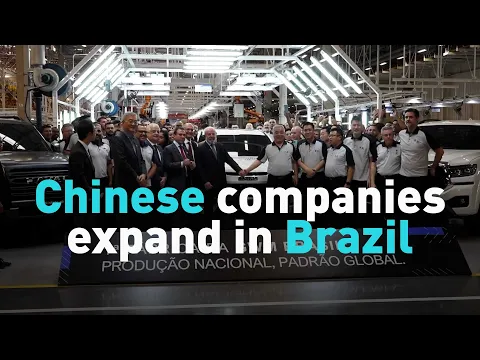

The strategic analysis presented by executives is clear: China tends to think in long-term horizons, and Brazil is seen as a market with growth potential for decades.
The perception is that, as the Brazilian economy strengthens, the consumer market will also grow. Today, according to this view, about a third of the population would be fully integrated into this potential market. This suggests there is still room for expansion..
This diagnosis helps explain the “how much” is involved, even when specific numbers are not publicly detailed at each stage.
The investment is considered to be in the billions because it’s not limited to a single factory or application: it spans industry, energy, telecommunications, and services. The thesis is to occupy complementary positions, reducing dependence on a single sector and increasing long-term resilience..
What changes for Brazilian industry and for the consumer?
For domestic industry, the advance of Chinese giants creates competitive pressure and, at the same time, accelerates innovation patterns. Local companies are now competing with integrated business models, faster launch times, and robust financial capacity.
The effect can be twofold: increased competition in the short term and a need for strategic repositioning in the medium term..
For the consumer, the impacts appear in more product options, greater competition between platforms, and a possible rearrangement of prices and services in different regions.
But the effects are not uniform: each city experiences this transformation in a different way, depending on… income, infrastructure and demand profile. It is precisely in this regional difference that public debate gains real importance..
In your state or city, where have you noticed this change most strongly: in electric cars on the streets, in mobility and delivery apps, or in energy infrastructure? And, in your view, which Brazilian sector needs to react first to avoid losing ground in the coming years?