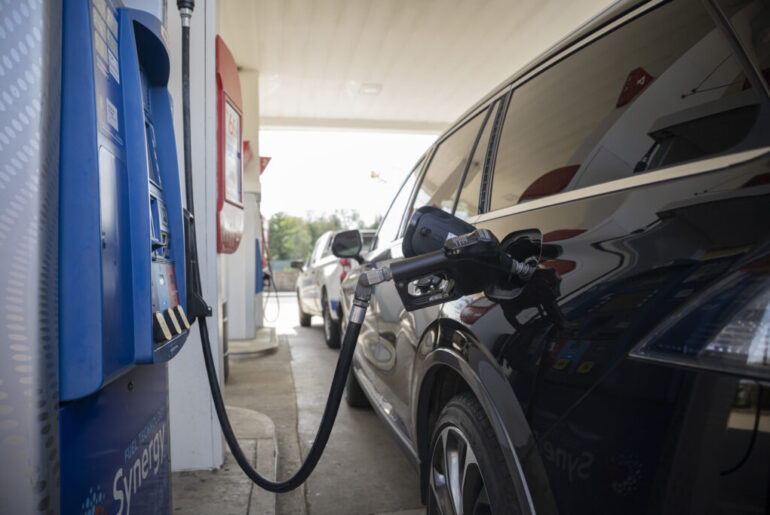
The electric car market in Argentina began 2026 with an unprecedented growth. In January, 533 units were registered nationwide.
This figure represents a jump of 278% compared to December 2025. Additionally, it represents a 620% increase compared to January of the previous year.
To put the change into perspective, all of 2025 closed with 1,279 accumulated units. Therefore, the segment is experiencing a clear acceleration phase.
Although the weight within the total market remains low, the trend is strong. Consequently, electromobility is beginning to gain prominence.
 electric cars
The boost from the quota and BYD’s leadership
The main driver of growth was the entry of models under the official quota. This regime allows the import of electrified vehicles without tariffs.
The condition establishes a value below US$16,000 FOB. Thus, the offer expanded and access prices improved.
In this scenario, BYD clearly led. The brand accounted for 386 registrations, about 72% of the total. Behind were Chevrolet with 37 and Renault with 25. Brands like Volvo and BMW also participated.
Most chosen models and market concentration
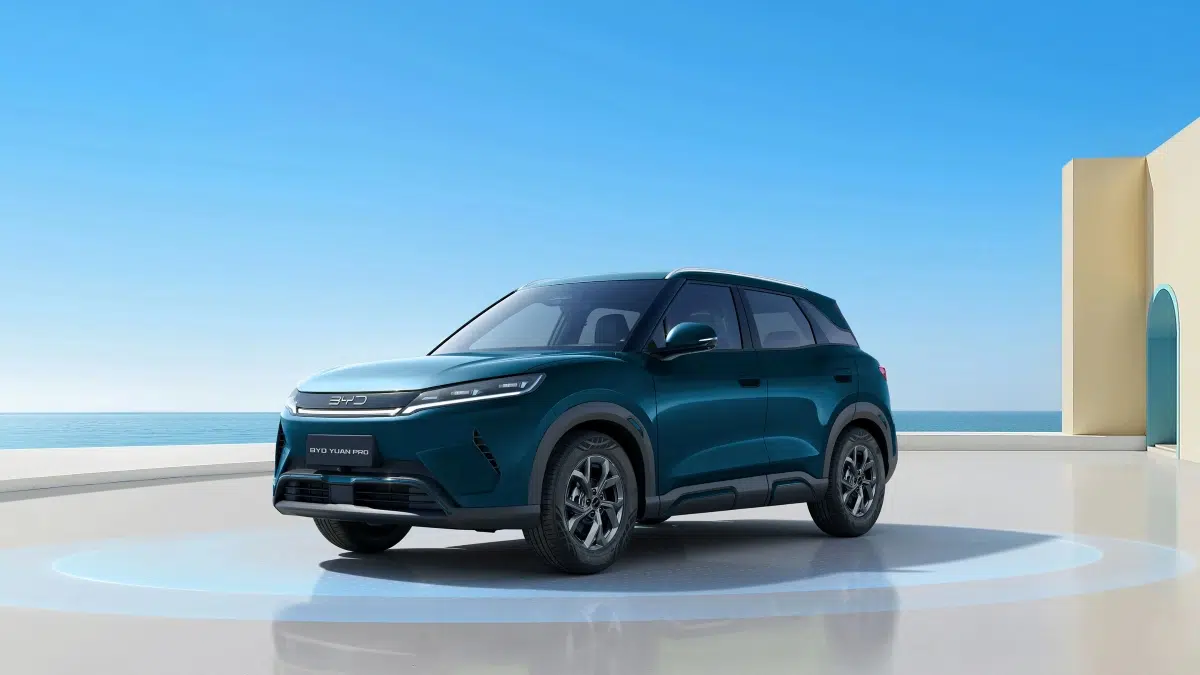
The dominance of BYD was also reflected in the models. The BYD Yuan Pro topped the ranking with 210 units. In second place was the BYD Dolphin Mini with 176. Only after did the Chevrolet Spark EUV appear with 37.
Other models included the Renault Kangoo E-Tech and the Volvo EX30. However, the volumes showed a strong concentration on the leader.
This dispersion evidences a still small market. Nevertheless, the variety of brands anticipates greater future competition.
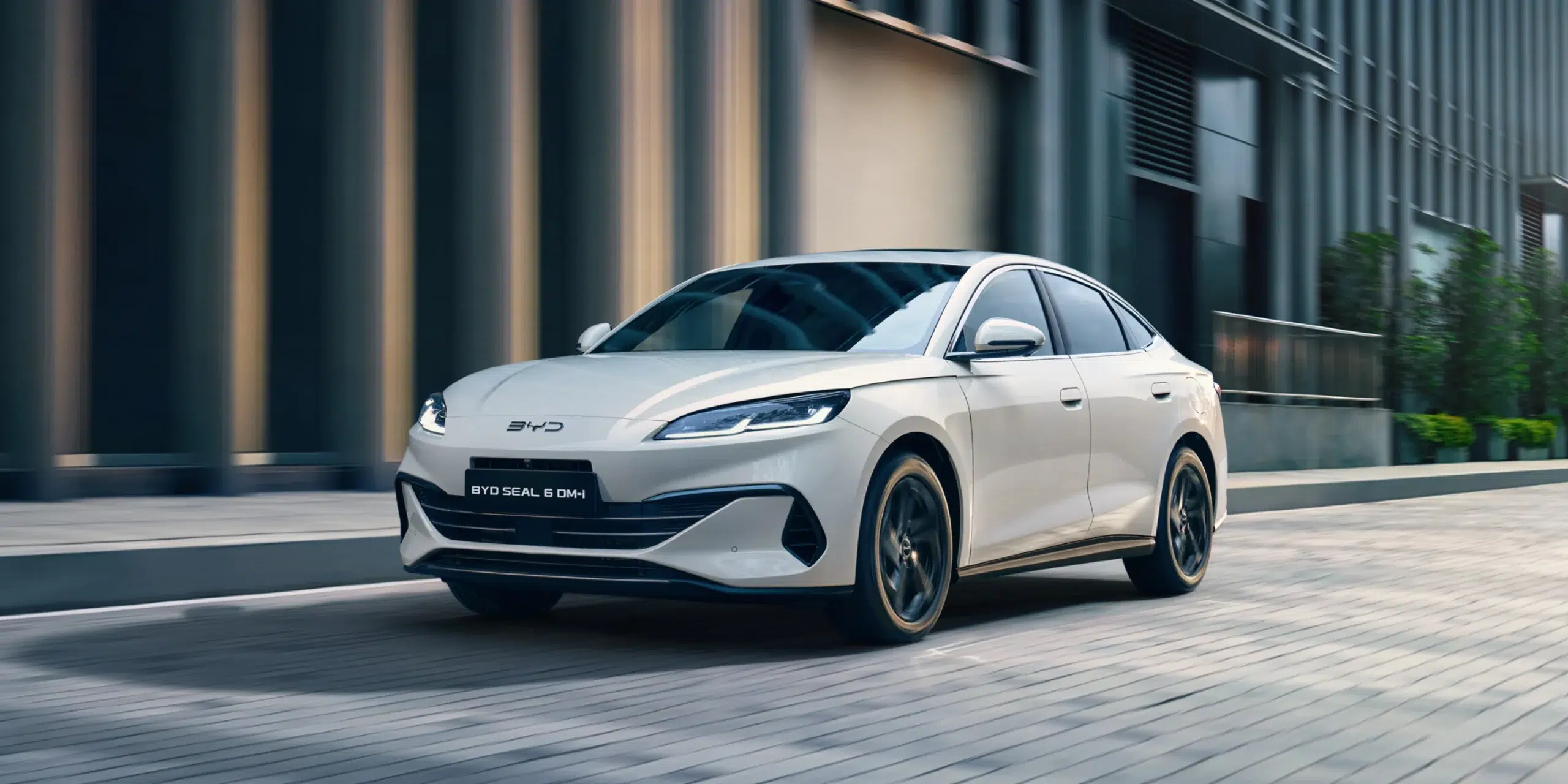 The BYD Seal 6 DM-i, the new in hybrid and electric cars. Photo: BYD.
The rise of electric cars and their environmental impact
The growth responds to economic incentives, but also to environmental awareness. Each electric vehicle reduces direct emissions in urban environments.
By not emitting exhaust gases, they reduce pollutants such as nitrogen oxides. Consequently, they improve the air quality in densely populated cities.
Additionally, electrification reduces dependence on imported fossil fuels. Therefore, it strengthens the national energy transition. If the electric matrix incorporates more renewables, the climate benefit will be greater. Thus, electric mobility integrates into a broader environmental strategy.
January left a strong signal in Argentina. The market remains niche, but the electric boom is already visible.