![Tesla Model Y [TESLA]](https://www.evshift.com/wp-content/uploads/2026/02/00bc99ff-80ca-4106-af1c-2474c1e4a441.jpg)
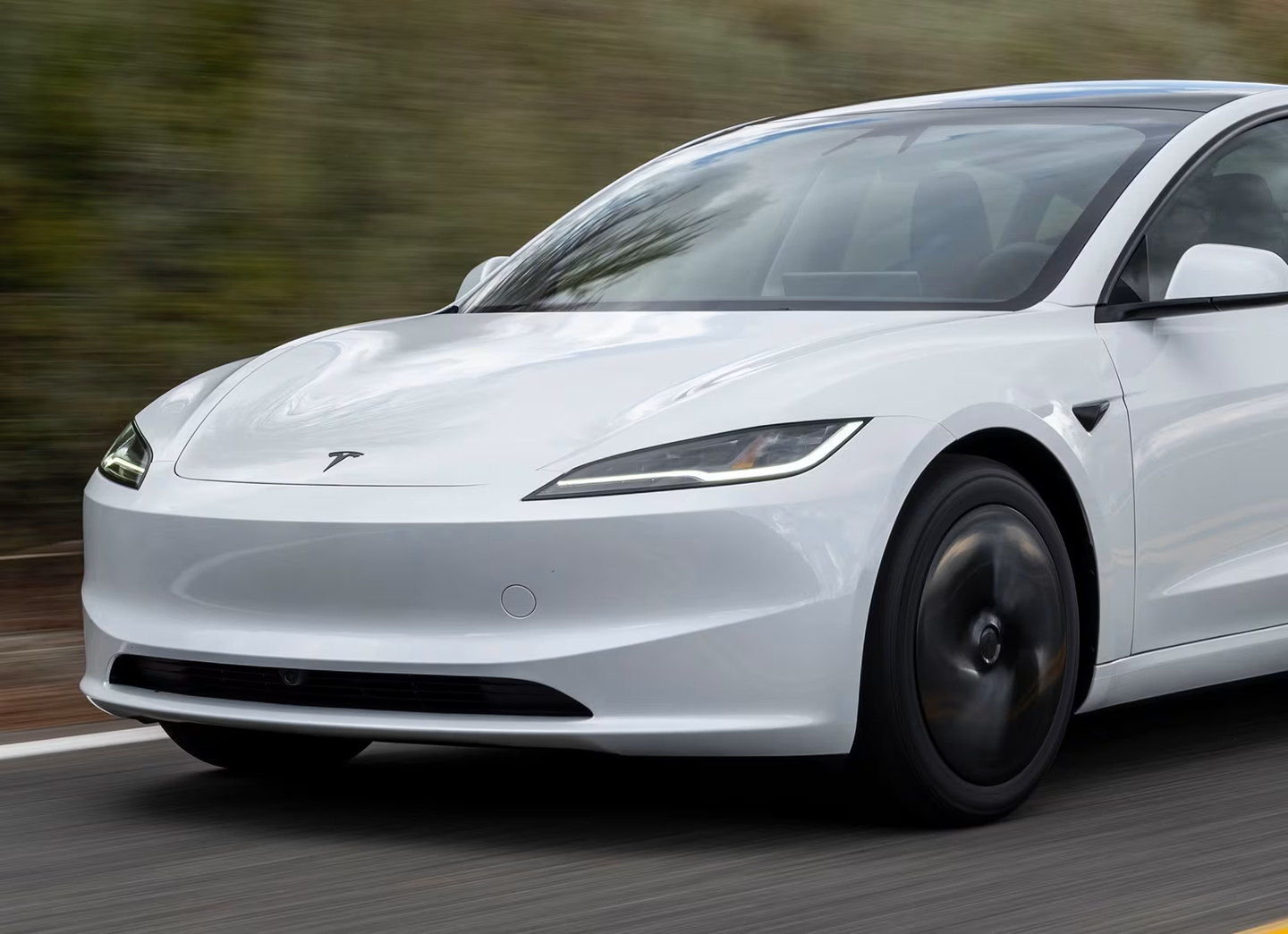
Tesla Model Y [TESLA]
Tesla is reshaping Korea’s import car market, driving new registrations of foreign brands past 300,000 units for the first time last year and accelerating a notable shift in consumer preferences.
The surge is striking in a country long known — alongside Germany and Japan — for its strong loyalty to domestic automakers such as Hyundai Motor and Kia. Yet a closer look at the data shows that while Tesla has spearheaded the change, enthusiasm for imported vehicles varies sharply by generation.
According to data released by the Korea Automobile Importers & Distributors Association and analyzed on Saturday, Tesla ranked as the most-purchased imported brand among consumers in their 20s, 30s and 40s last year. Among buyers in their 30s in particular, nearly four out of 10, or 38 percent, chose Tesla.
Among consumers in their 50s, however, Tesla fell to third place, trailing German brands Mercedes-Benz and BMW. In the 60-plus age group, Tesla dropped to fourth, behind Lexus as well, and was only 11 units ahead of sixth-ranked Toyota.
Generational gaps were even more pronounced when broken down by individual models.
Tesla’s electric SUV Model Y was the top-selling imported model across all age groups from their 20s through their 50s. Beyond that, preferences diverged. Among buyers in their 20s, Tesla’s midsize Model 3 sedan ranked second, while those in their 30s favored the Model Y Long Range as their second choice — underscoring Tesla’s continued dominance among younger drivers.
In contrast, buyers in their 40s and 50s placed the Mercedes-Benz E200 sedan second after the Model Y.
The landscape shifted dramatically among consumers in their 60s. The Tesla Model Y ranked only fourth. Instead, the top-selling model was the Lexus ES 300h, a hybrid sedan from Toyota’s premium brand that has long symbolized Japanese imports in Korea — once nicknamed the “Gangnam Sonata.” It was followed by the Mercedes-Benz E300 4MATIC and the Mercedes-Benz E200. The Tesla Model 3 did not make the top 10.
![The Lexus ES 300h [TOYOTA KOREA]](https://www.evshift.com/wp-content/uploads/2026/02/a1ebd632-8ae7-483b-b46a-2ad8a9923f13.jpg)
The Lexus ES 300h [TOYOTA KOREA]
Tesla sold 59,916 vehicles in Korea last year, more than double its 2024 sales of 29,750 units. Its share of the total imported car market surged from 11.3 percent to 19.5 percent. Although BMW and Mercedes-Benz still ranked first and second overall, Tesla is widely credited with driving the expansion of Korea’s imported vehicle market.
The wide generational gap largely reflects differences in the acceptance of electric vehicles themselves. Of all newly registered imported cars last year, EVs accounted for 34.6 percent, with that share exceeding 40 percent among buyers in their 30s at 46.9 percent and 20s at 44.6 percent, but fell to 38 percent among those in their 40s. It dropped sharply to 23 percent for consumers in their 50s and just 14.7 percent for those aged 60 and older.
Industry observers attribute this trend partly to older consumers’ preference for familiar and proven vehicles. “There are still many consumers who do not fully trust electric vehicles, partly due to past fire incidents,” an industry source said. “Even as the market shifts toward electrification, many are likely to choose hybrids over fully electric vehicles.”
The pattern is similar overseas. A 2023 survey by the U.S.-based Pew Research Center found that 42 percent of respondents aged 30 to 49 said they would consider purchasing an EV, compared with 33 percent of those aged 50 to 64 and just 27 percent of those 65 and older.
There were also differences between male and female buyers in Korea. Among men, the most preferred imported brands last year were Tesla, followed by BMW, Mercedes-Benz, Lexus, Volvo and Toyota. Among women, the order was Mercedes-Benz, BMW, Tesla, Volvo, Lexus and Mini. For corporate fleet purchases, the ranking was BMW, Mercedes-Benz, Tesla, Porsche, Volvo and Lexus.
This article was originally written in Korean and translated by a bilingual reporter with the help of generative AI tools. It was then edited by a native English-speaking editor. All AI-assisted translations are reviewed and refined by our newsroom.
BY NA SANG-HYEON [[email protected]]
!['[This will] influence global norms'](https://www.evshift.com/wp-content/uploads/2026/02/a052c50f968ef38037a0e134ba34e24c-770x515.jpeg "‘[This will] influence global norms’")