HAVANA, Feb 13 (Reuters) – The rumble of 1959 Chevrolets, once the rhythmic heartbeat of Havana, is fading to the near silence of electric vehicles as the island faces its worst fuel shortage in years.
For six decades, Cuba’s roads changed little, defined by colorful vintage cars. But in recent years, Cubans increasingly adopted electric vehicles as fuel became more scarce.
Now, they are helping the population grapple with a worsening fuel crisis, since the U.S. cut off oil exports from the communist-run country’s ally Venezuela and threatened to penalize other countries exporting fuel to the island.
U.S. President Donald Trump’s administration has declared Cuba “an unusual and extraordinary threat” to U.S. national security.
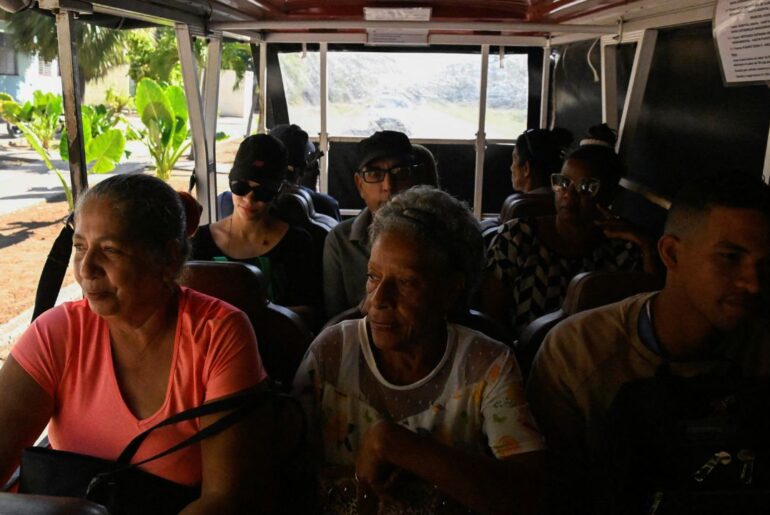
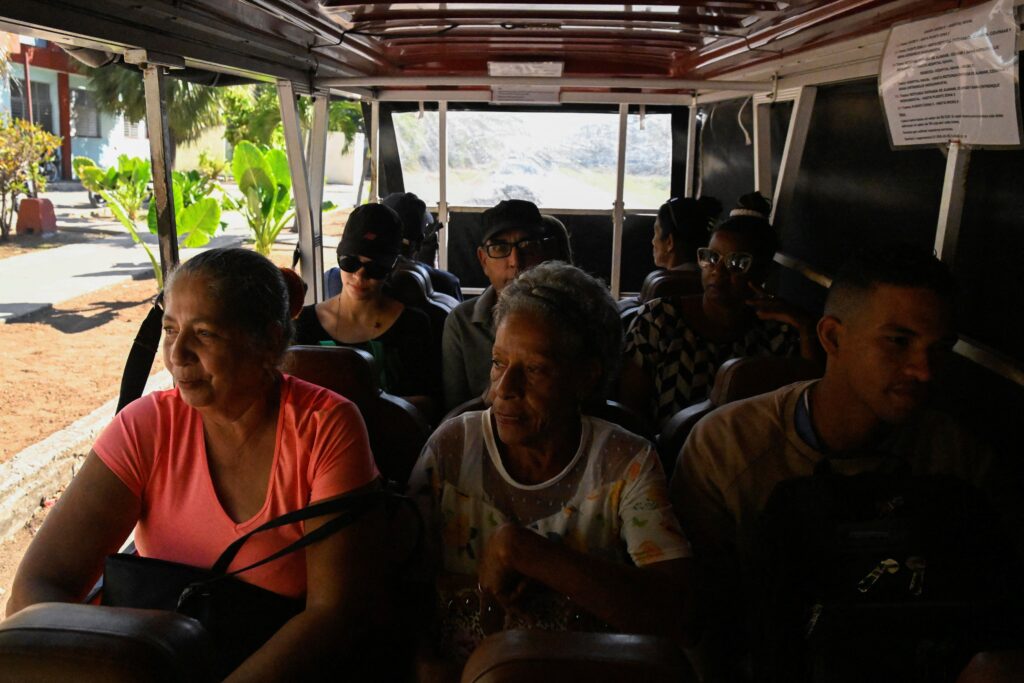
In the Alamar neighborhood on the outskirts of Havana, Eugenio Gainza weaves a state-run rickshaw-style electric tricycle over the rutted roads, picking up passengers. “We make 16 trips a day,” he says. “There is no fuel. This is the only means of transportation supporting this area.”
For residents like Maria Caridad Gonzalez, these state-run vehicles are a lifeline, providing a vital way to get around in an economy squeezed by rationing. Private services also exist, but are more expensive, she said.
Last week, the government detailed a wide-ranging plan to ration fuel and protect essential services.
Resident Barbaro Castaneda said the shift toward renewable energy was the only thing keeping the island mobile. “Together, it is what is helping the country move forward,” he said. “Otherwise, we would be completely paralyzed.”
(Reporting by Alien Fernandez and Anett Rios, Writing by Natalia Siniawski, Editing by Rosalba O’Brien)