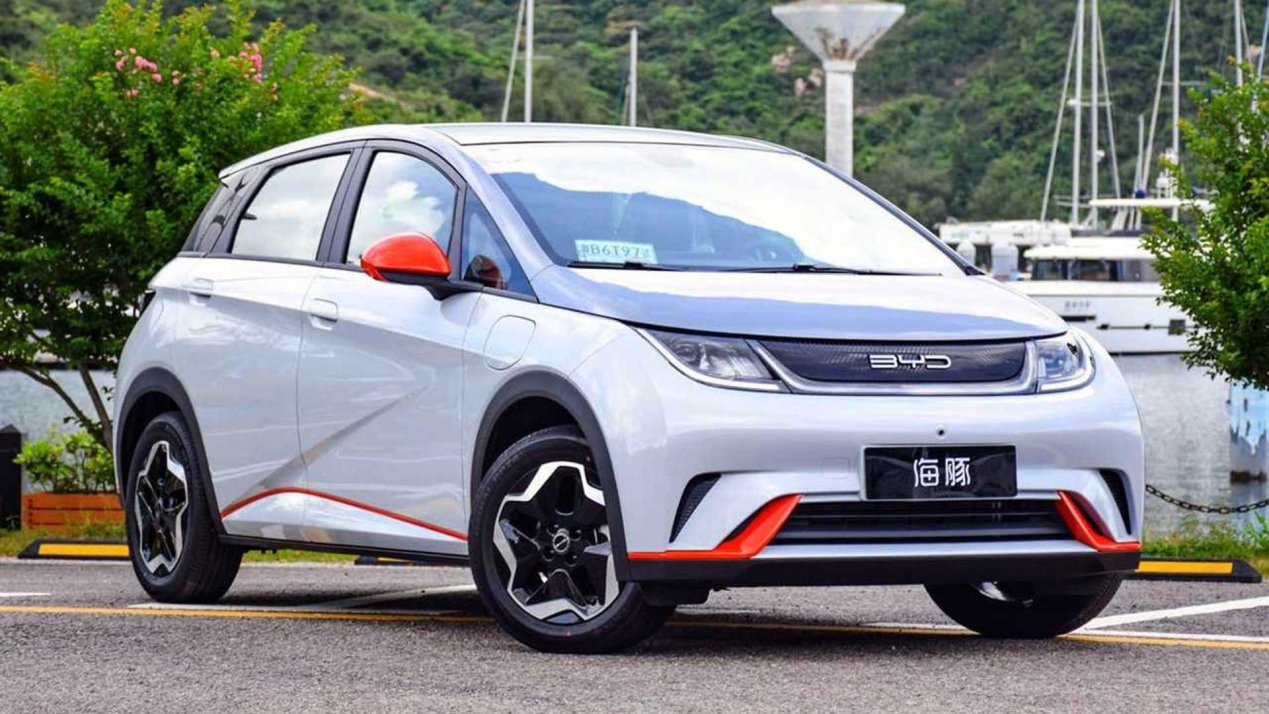
BYD has extended its lead over Tesla in Germany after reporting a more than tenfold increase in monthly vehicle sales, highlighting the rapid expansion of Chinese electric vehicle manufacturers in Europe’s largest automotive market. BYD sold 2,629 new vehicles in Germany in January, according to data released by the Federal Motor Transport Authority (KBA), surpassing Tesla’s 1,301 registrations during the same period.
The January results compare with 235 vehicles sold by BYD in Germany a year earlier, representing year-over-year growth of more than 1,000%. The surge followed a year in which BYD overtook Tesla in both Germany and the United Kingdom, strengthening its foothold in two of Europe’s most influential electric vehicle (EV) markets. These developments reflect a broader strategy by BYD to prioritize Europe as a core growth region as competition intensifies in its domestic Chinese market.
Germany remains Europe’s largest EV market and a focal point for global manufacturers seeking scale and regulatory alignment. Recent registration data point to shifting market dynamics, with Chinese-owned brands expanding market share while US and European producers face slower growth and mounting pricing pressure. Industry participants view Germany as a bellwether market, where performance trends often signal broader shifts across the region.
BYD’s expansion in Germany has coincided with increased activity by other Chinese automakers, including MG, Leapmotor, and Xpeng, which have strengthened their presence across Europe. These companies have leveraged intense price competition in China’s domestic EV market to refine cost structures and offer competitively priced models abroad. As a result, established manufacturers face intensifying competition, prompting renewed scrutiny of pricing strategies and product cycles.
Analysts tracking the European auto sector describe Germany as a critical battleground, citing its role as both a high-volume market and a benchmark for consumer adoption. Success in Germany is widely regarded as essential for building brand credibility across the continent, particularly as emissions regulations and electrification targets continue to tighten.
BYD’s January performance was supported by the broader rollout of models such as the Dolphin, Seal, and Atto series, combined with an expanding dealership and service network. The company has invested heavily in local distribution, logistics, and brand visibility to sustain growth momentum.
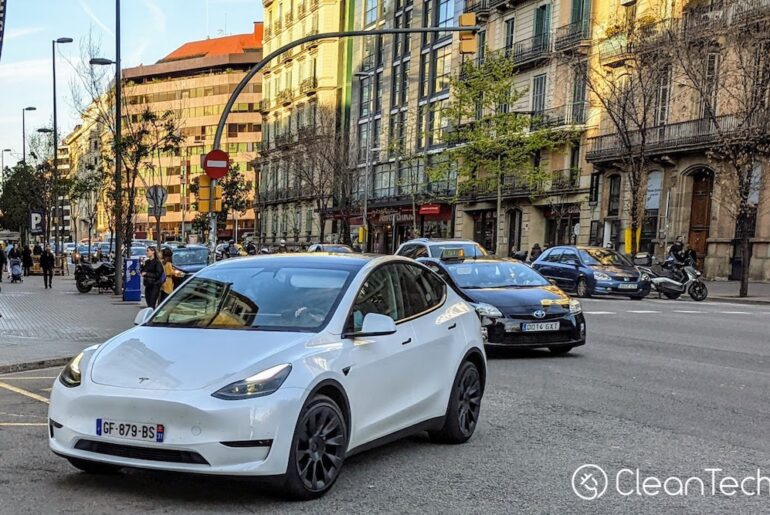
Tesla, meanwhile, has encountered mounting challenges across Europe. Although the Model Y manufacturer reported a 1.9% increase in German registrations in January compared with a year earlier, the gain followed sharp declines earlier in 2025, when sales fell significantly from prior levels.
Tesla’s difficulties extend beyond Germany. In France, registrations declined 37% in 2025, while Sweden recorded a 70% annual drop, according to national automotive authorities. Sales also fell 22% in Portugal, 4% in Spain, and 53% in Belgium. Italy and Switzerland reported year-over-year declines of 18% and 28%, respectively. Across eight countries representing more than half of Tesla’s European market, registrations fell by approximately 25% in 2025.
The slowdown followed heightened competition from European and Chinese manufacturers, as well as concerns about Tesla’s aging product lineup. Despite introducing lower-priced variants of the Model Y and Model 3 in Europe, the company struggled to regain lost momentum. Tesla also reported a sharper-than-expected decline in global fourth-quarter deliveries.
Norway stood out as an exception to Tesla’s broader European performance. Sales increased significantly in 2025, giving Tesla a market share exceeding 19% and setting a new annual record. Nearly all new vehicles sold in Norway are electric, sustaining demand even as Tesla’s share of the broader European market—including Britain and the European Free Trade Association (EFTA) countries—declined to 1.7% from 2.4% in 2024, according to industry data.
Tesla’s operational challenges were reflected in its financial performance. The company reported a 46% decline in net profit in 2025, with net income totaling US$3.7 billion. Revenue fell 3% to US$94.8 billion, marking the first annual revenue contraction in Tesla’s history. Automotive revenue, which accounts for roughly two-thirds of total revenue, declined 11% year over year.
Electric vehicle registrations in the European Union surpassed petrol-only cars for the first time in December 2025, according to the European Automobile Manufacturers’ Association (ACEA). Fully electric vehicles accounted for 22.6% of new registrations, compared with 22.5% for petrol cars. Electrified vehicles overall—including battery-electric, plug-in hybrid, and hybrid models—represented 67% of registrations, with gasoline-electric hybrids leading the market at a 44% share.
!['Hard to believe now that [this] came out over 10 years ago'](https://www.evshift.com/wp-content/uploads/2026/02/40dfb6de6ca4621c76e5e8ed6e87d384-770x515.jpeg "‘Hard to believe now that [this] came out over 10 years ago’")