

 EDITOR’S PICK
2027 Toyota Highlander
11 Feb 2026 | Synopsis
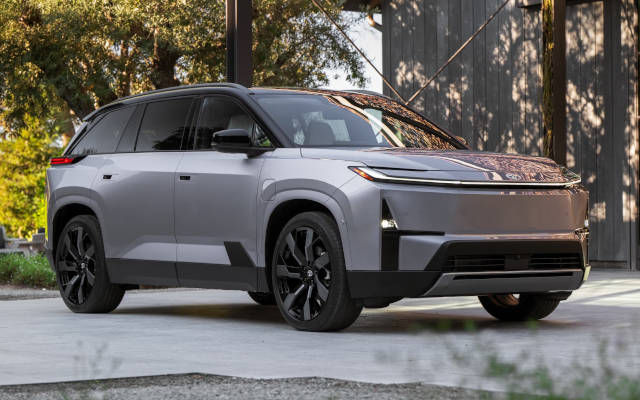 Toyota has revealed the 2027 Highlander EV, its first fully electric three‑row SUV. Built on a dedicated EV platform, it offers up to 320 miles of range, optional AWD, fast‑charging via NACS, and a modern, tech‑focused interior. Car and Driver notes Toyota’s late entry into the segment but says the Highlander EV aims to compete directly with the Kia EV9 and Hyundai Ioniq 9 by emphasizing practicality, efficiency, and family‑friendly design.
Trump Is Wiping Out All Climate Regulation. Big Oil May Regret It.
11 Feb 2026 | Synopsis
 Trump’s rollback of climate regulations – revoking emissions rules, subsidies, and the Paris Agreement – may seem like a win for Big Oil. But it risks stranding billions in low-carbon investments made under Biden, creates legal uncertainty, and fuels public backlash. Oil executives worry that Trump’s unpredictable energy policies could hurt long-term stability and make the industry vulnerable to future liability and market shifts
Parked German Hydrogen Garbage Trucks Show The Limits Of Pilot-Driven Infrastructure
11 Feb 2026 | Synopsis
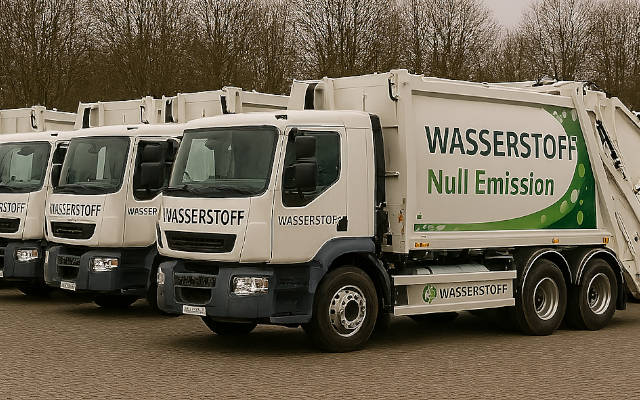 Seven hydrogen garbage trucks in Bielefeld, Germany sit unused because they legally can’t refuel at a nearby publicly funded hydrogen station restricted to buses. The mismatch between vehicle pilots and incompatible infrastructure – both funded to cut emissions – highlights structural flaws in hydrogen deployment and the risks of building isolated, non‑scalable pilot projects
The World Needs China’s Climate Technology. That’s the Dilemma
10 Feb 2026 | Synopsis
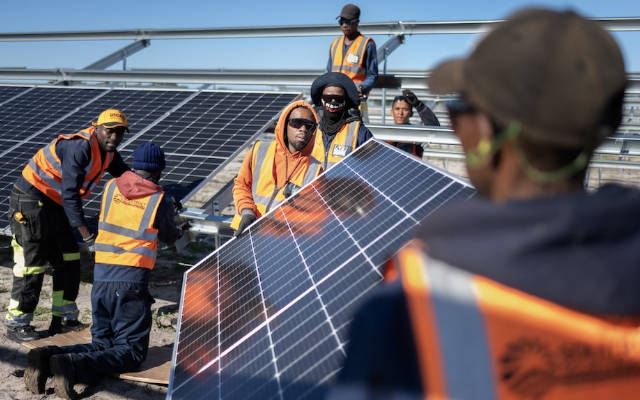 China now dominates global clean‑energy manufacturing – solar panels, EVs, and batteries – driving down costs and speeding worldwide adoption. Its exports help cut emissions, especially in developing nations, but its rise fuels geopolitical tension as countries worry about dependence, trade fairness, and security. The world needs China’s clean tech yet remains wary of relying on it.
Is Fast Charging Worth It? UK Study Finds Uncomfortable Answer
09 Feb 2026 | Synopsis
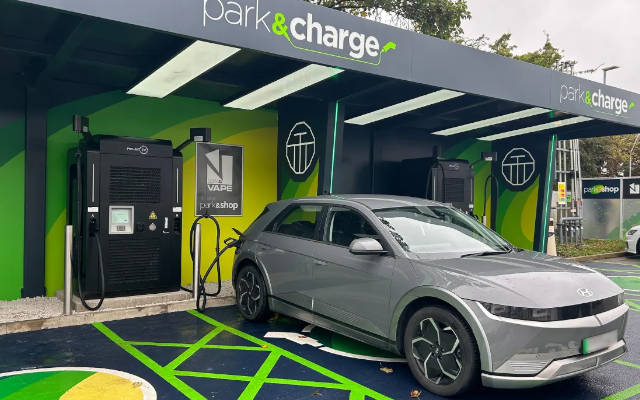 Frequent high‑power fast charging (over 100 kW) accelerates EV battery degradation, according to a Geotab study of 22,700 vehicles. Cars that used ultra‑fast charging for more than 12% of sessions saw about 2.5% annual degradation, versus ~1.5% with lighter use. Heat, battery chemistry, and extreme charge levels also contribute. Occasional fast charging is fine, but making it a habit speeds capacity loss.
 EVWorld Exclusive
China’s Carbon Highway: Climate Tool or Oil Booster?
11 Feb 2026 | 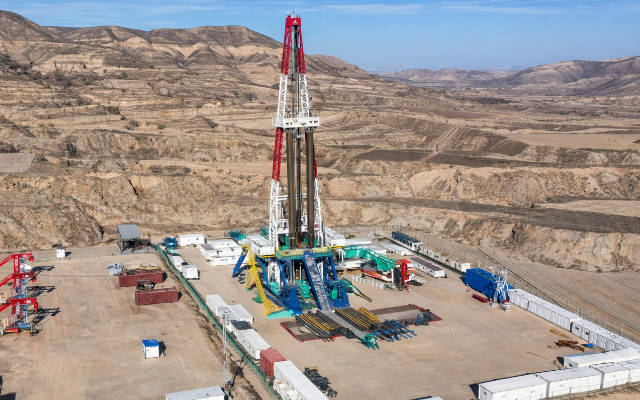 China has turned an old oil pipeline into a carbon highway, moving captured CO2 from a fertilizer plant to an oilfield. Officials promote it as a scalable, low-cost carbon-capture model, but sending CO2 to an oilfield means it supports enhanced oil recovery. The project showcases smart reuse of fossil infrastructure while raising doubts about whether it advances climate goals or prolongs oil production.
The Mirage in the Desert: The Myth of “Windstalk”
09 Feb 2026 |  Windstalk is often described online as a real wind‑energy installation in Abu Dhabi, but it was only ever a 2010 design concept. No poles were built, no power is generated, and Masdar City never funded or approved construction. Viral articles recycle old renderings as if they show a functioning project, creating a misleading impression of a clean‑energy breakthrough that never existed.
Beyond the Paywall: What Michael Pollan Really Thinks About Consciousness
09 Feb 2026 |  Michael Pollan argues that science has not yet explained consciousness itself, only its correlations with the brain. He questions the idea that the brain simply produces awareness, suggesting it may instead filter a broader field of consciousness. Pollan rejects claims that AI is conscious and explores the ethical stakes of treating experience as fundamental rather than incidental.
Geely’s Methanol Hybrid: Clever Machine, Dirty Fuel
08 Feb 2026 | 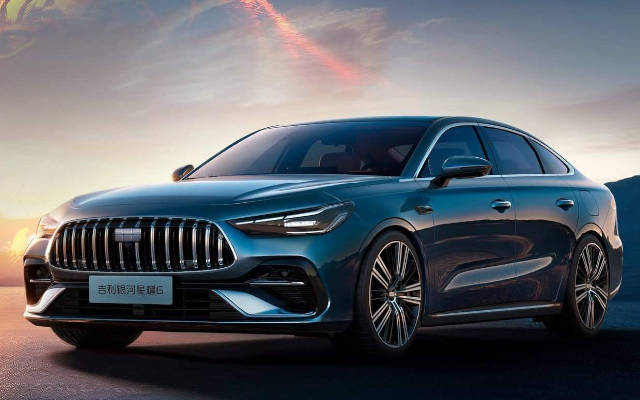 The Geely Galaxy Starshine 6 methanol EREV looks innovative, but most methanol in China comes from coal, giving the fuel a high lifecycle carbon footprint. The series hybrid layout is efficient, with the engine acting only as a generator, but it cannot overcome the upstream emissions of coal‑based methanol. Despite clever engineering, the vehicle remains tied to a carbon‑heavy fuel system.
Cooperation Without Illusions: A Realistic Path for U.S.–China AI Safety
08 Feb 2026 |  A call for U.S.–China AI cooperation that does not rely on trust. Citing Yi-Ling Liu’s Politico interview and her China‑focused reporting background, the piece argues her skepticism of U.S. threat narratives is useful but incomplete. Real safety requires verifiable benchmarks, reciprocal steps, and track‑two scientific channels so neither side can cheat without consequence.