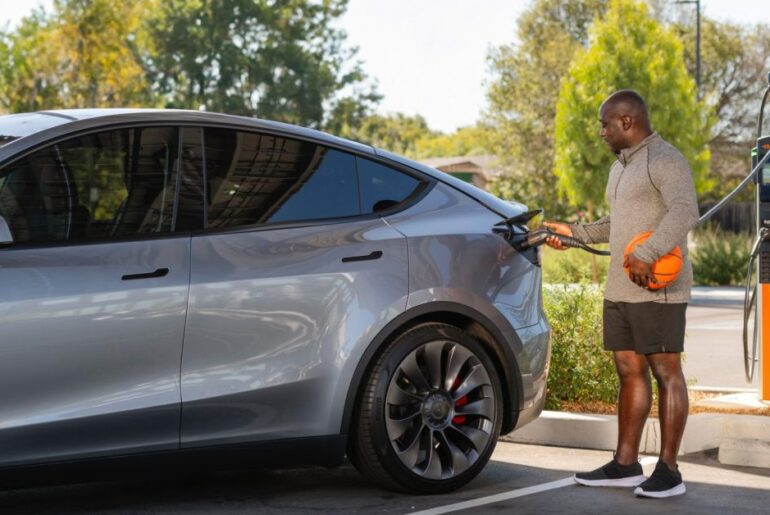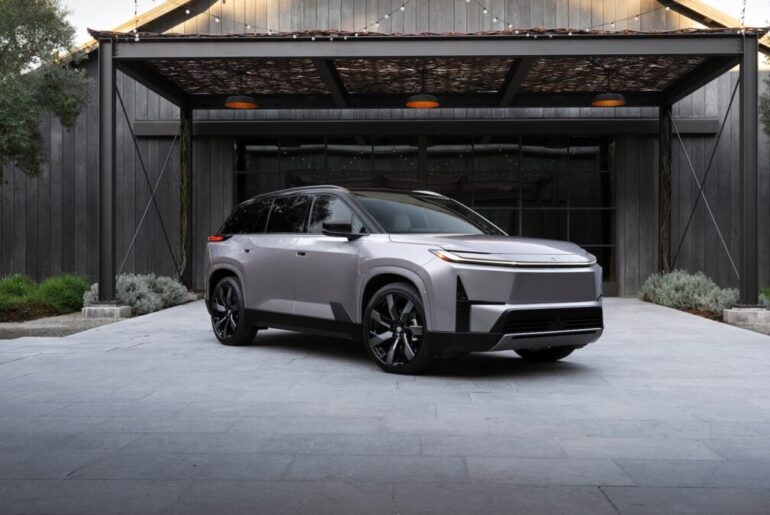
Electric vehicles are cheaper to refuel and more reliable in the long run than gas-powered cars and trucks.
Experts predict that it’s only a matter of time until most vehicles on the road are electric.
But how quickly Arizona reaps the rewards of this transition — and how widely the benefits are spread — depends on how well leaders plan for the switch.
“We could just step back and let the market drive this,” said John Heckman, a professor of practice in the Julie Ann Wrigley Global Futures Laboratory at Arizona State University.
“But there are opportunities for us to do things better and faster, in a way that drives benefits more broadly for everyone.”
Heckman oversees the Transportation Electrification Activator, a consortium of major power companies, cities and nonprofits that wants to speed EV adoption across the state.
The effort is housed within the Global Futures Laboratory.
Electric vehicles are growing in popularity
It’s still early days for this transition. Less than 2% of cars and trucks on Arizona roads are electric.
But Waymo, the autonomous ride-share company, has already logged more than 56 million miles in electric vehicles across metro Phoenix, more than twice the miles of its other test markets.
Arizona has more electric vehicles per person than Texas or Florida — a ratio that has more than tripled in the past five years. It ranks in the top 10 for EV registration, with nearly 130,000 on the road.
The mileage range between charges continues to grow, and the price of vehicles continues to fall, making EV ownership more realistic for many.
And that’s good news, considering that transportation is a major source of greenhouse gas emissions nationwide. With fewer gas engines spewing carbon monoxide and sulfur dioxide — the key pollutants that create smog — we can all breathe a little easier.
How will Arizona handle charging needs?
But rapid EV growth also poses challenges for transportation planners, who must build a coordinated web of fast-charging stations to keep electric vehicles on the road.
Arizona is in line for funding to build a few dozen strategically placed stations along freeways and interstates over the next couple of years.
The transition also represents a major shift for utilities, which must provide enough power to recharge a growing number of vehicles while meeting future energy demands.
No one wants to underestimate that capacity and risk a blackout. Nor do they want to overbuild because that can create unnecessary costs that could make power less affordable.
Getting this balance right requires accurate projections for peak demand — those times of the day or year when customers are using the most electricity.
The smaller and more dependable those peaks are, the easier and cheaper it is to plan for what’s needed.
Focus where EV can be most transformative
The Transportation Electrification Activator is engaging diverse interests across the state to holistically address Arizona’s power and refueling needs.
Salt River Project, Arizona Public Service and Tucson Electric Power — the state’s three largest electric companies — are founding members.
So are Phoenix, Tempe, Mesa, ASU, Southwest Energy Efficiency Project, Western Resource Advocates, the American Lung Association and Arizona PIRG.
The consortium is working to integrate charging infrastructure at more workplaces and apartment complexes.
It also wants to convert more vehicles within work fleets, such as delivery vans and light-duty trucks, that are already providing a solid return on investment for companies, cities and schools.
That could be transformative. Commercial vehicles typically travel more miles a day than consumer vehicles. And many of them could be charged during off hours, easing peak power demands.
“There is a business case for action,” Heckman said. “That’s the reason the whole world is moving to electrification.”
The Transportation Electrification Activator is hosting an April 9 expo for fleet owners and transit operators to learn more.
The consortium is part of Energy Forward, Global Futures Laboratory’s energy transformation network.
“At Energy Forward, we do three things: identify the toughest challenges, design the smartest solutions, and work with communities to implement them,” said Kelly Barr, the laboratory’s associate vice president and chief alliance officer.
“Electrification is an important part of Arizona’s energy future, and transportation is one of the best areas for early focus because the benefits can be achieved by so many individuals and organizations.”