Global Advanced Batteries Market size valued at USD 82 billion in 2022 is forecast to reach USD 175.7 billion by 2032, growing at 8.2% CAGR. Driven by EV demand, renewable integration, and consumer electronics growth — Acumen Research and Consulting.
Advanced Batteries Market to Hit USD 175.7 Billion by 2032 | Acumen Research and Consulting
The Advanced Batteries Market is entering a transformative decade, fueled by the rapid rise of electric vehicles (EVs), renewable energy systems, and the surging global appetite for portable electronics.
According to the latest study by Acumen Research and Consulting, the Global Advanced Batteries Market was valued at USD 82.0 billion in 2022 and is projected to reach USD 175.7 billion by 2032, growing at a compound annual growth rate (CAGR) of 8.2% from 2023 to 2032.
The report highlights that Asia-Pacific dominated the market in 2022 with over 37% share, supported by strong manufacturing ecosystems in China, Japan, and South Korea. Consumer electronics accounted for over 42% of market revenue, while lithium-ion polymer batteries led the market by type.
Government incentives for energy transition, surging electric vehicle sales, and the push to reduce reliance on fossil fuels are reshaping the global energy storage landscape — positioning advanced batteries as a cornerstone of the modern energy economy.
What Are Advanced Batteries?
Advanced batteries are next-generation energy storage systems designed for high performance, long life cycles, and enhanced safety. They go beyond traditional lead-acid or nickel-cadmium batteries, utilizing innovative chemistries such as lithium-ion, lithium-polymer, solid-state, flow, and metal-air technologies.
These batteries are now critical components in sectors ranging from electric vehicles and renewable energy storage to aerospace, healthcare, and consumer electronics. The continuous push toward electrification and decarbonization is driving unprecedented demand for efficient, high-capacity energy storage solutions.
Key Market Highlights – Advanced Batteries Market at a Glance
According to Acumen Research and Consulting’s analysis, the Advanced Batteries Market is set to experience robust growth over the next decade.
Global Advanced Batteries Market Size (2022): USD 82.0 billion
Forecast Market Value (2032): USD 175.7 billion
Compound Annual Growth Rate (CAGR, 2023-2032): 8.2%
Leading Region (2022): Asia-Pacific, accounting for 37% of global market share
Top Application Segment (2022): Consumer Electronics, representing 42% of total market revenue
Dominant Battery Type: Lithium-ion Polymer Battery
Primary Growth Drivers: Expanding electric vehicle (EV) adoption and rising renewable energy integration
The report also notes that global consumers spent over USD 505 billion on electronics in 2022, illustrating the growing dependence on portable power solutions — a trend that continues to drive innovation in advanced battery design.
Download Sample Pages of Advanced Batteries Market Report by Acumen Research And Consulting here.
Growth Drivers: Why the Advanced Batteries Market Is Accelerating
1. Electric Vehicle (EV) Revolution
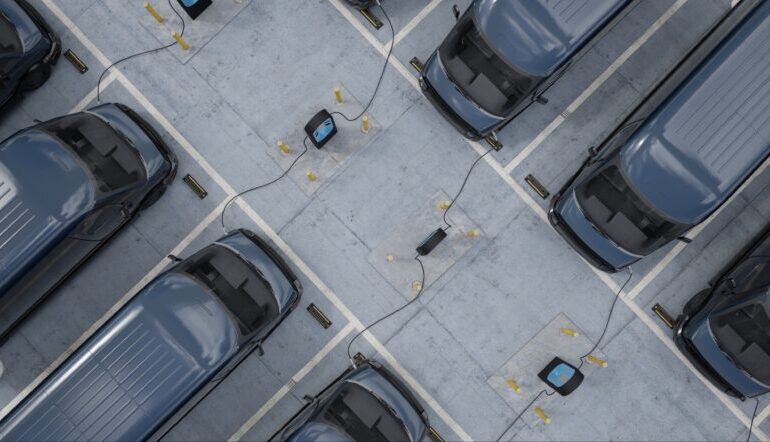
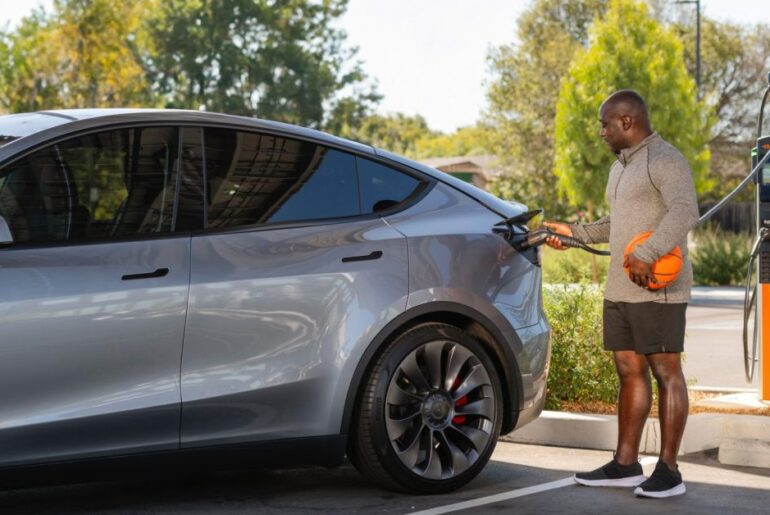
Between 2012 and 2021, approximately 17 million electric vehicles were sold globally, according to Acumen’s research. This number continues to climb as governments enforce stricter emission standards and automakers shift toward full electrification.
Advanced lithium-ion and solid-state batteries are at the heart of this transformation. They enable longer driving ranges, faster charging, and enhanced energy density — key factors propelling the EV industry’s momentum.
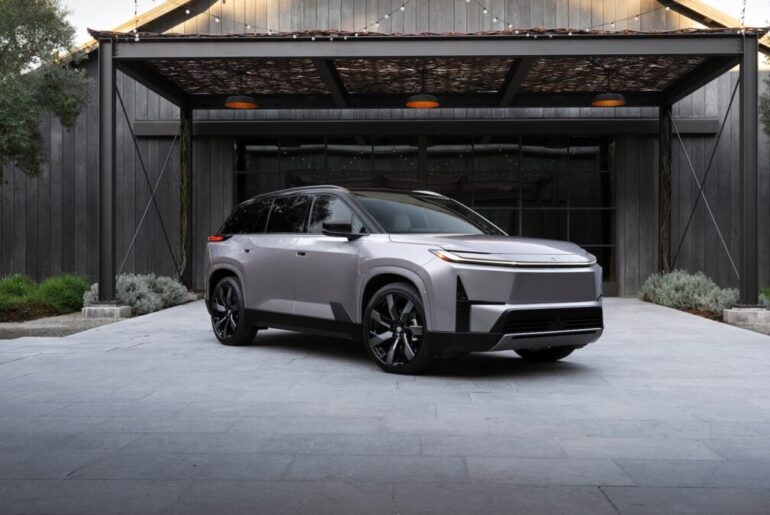
Major automakers like Tesla, Toyota, Volkswagen, and BYD are investing billions into developing next-generation battery technologies, while suppliers such as CATL, LG Energy Solution, and Panasonic are expanding global production capacities.
2. Rising Consumer Electronics Demand
The consumer electronics segment, which held over 42% of total market share in 2022, remains a dominant driver of advanced battery demand.
With smartphones, laptops, wearable devices, and smart home systems becoming integral to daily life, the need for compact, energy-dense batteries has skyrocketed.
Lithium-ion polymer batteries, known for their lightweight design and flexibility, have become the industry standard for portable electronics. Manufacturers are also focusing on sustainable battery disposal and recycling initiatives to mitigate environmental impact.
3. Renewable Energy Integration
The rapid expansion of solar and wind energy installations is creating significant demand for efficient energy storage solutions.
Advanced batteries enable grid stability by storing excess energy and releasing it during peak demand. This capability is critical for achieving global decarbonization goals and ensuring reliable renewable energy supply.
From utility-scale energy storage systems to residential solar battery packs, the technology is becoming indispensable for the clean energy transition.
4. Government Policies and Fossil Fuel Reduction
According to Acumen Research and Consulting, global government support for reducing dependence on fossil fuels is one of the strongest catalysts for market growth.
Countries are offering tax credits, subsidies, and infrastructure incentives to promote clean energy and electrification.
For instance:
The U.S. Inflation Reduction Act allocates billions for domestic battery manufacturing.
The European Union’s Green Deal emphasizes battery supply chain localization and recycling standards.
India’s PLI (Production-Linked Incentive) scheme is driving foreign investment in lithium-ion battery production.
These initiatives are collectively accelerating the adoption of advanced battery technologies worldwide.
Market Segmentation: Breaking Down the Advanced Batteries Market
By Type: Lithium-Ion Polymer Batteries Dominate
Among all battery chemistries, lithium-ion polymer batteries captured the majority market share in 2022.
Their high energy density, lightweight structure, and long cycle life make them ideal for consumer electronics and EV applications.
Emerging battery types — such as solid-state and flow batteries — are expected to gain traction in the coming decade, especially for grid-scale storage due to their superior safety and stability.
Other notable segments include:
Nickel-Metal Hydride (NiMH): Commonly used in hybrid vehicles.
Sodium-Sulfur Batteries: Favored for industrial-scale storage.
Zinc-Air and Metal-Air Batteries: Promising low-cost alternatives under development.
By Application: Consumer Electronics Lead the Way (42%)
The consumer electronics sector accounted for over 42% of the Advanced Batteries Market in 2022.
This dominance stems from continuous innovations in smartphones, laptops, and wearable devices requiring compact, long-lasting energy sources.
Other key applications include:
Electric Vehicles (EVs): Fastest-growing segment, supported by mass electrification.
Energy Storage Systems (ESS): Critical for renewable grid balancing.
Industrial Applications: Robotics, medical devices, and aerospace use advanced batteries for operational efficiency.
As new high-performance applications — from drones to electric aircraft — emerge, demand for lightweight, fast-charging batteries will intensify further.
By Region: Asia-Pacific Leads, North America Accelerates
Asia-Pacific held the largest market share at over 37% in 2022, establishing itself as the global hub for advanced battery production and innovation.
China, Japan, and South Korea host several of the world’s largest battery manufacturers, including CATL, BYD, Samsung SDI, Panasonic, and LG Energy Solution. These nations benefit from integrated supply chains, advanced manufacturing expertise, and strong government backing.
Meanwhile, North America is seeing rapid growth, driven by U.S. and Canadian initiatives to localize battery manufacturing. Major projects like Tesla’s Gigafactories and GM’s Ultium battery plants reflect the region’s commitment to supply chain independence.
Europe is also emerging as a key player, with investments in green battery technology through initiatives such as the European Battery Alliance (EBA) and national programs across Germany and France.
Investment Landscape and Recent Developments
The advanced batteries sector is experiencing a wave of large-scale investments aimed at innovation, sustainability, and supply chain resilience.
CATL (China) announced a USD 3.5 billion expansion to develop next-generation lithium-iron-phosphate (LFP) and sodium-ion batteries.
Panasonic committed USD 4 billion for a new U.S. battery plant to supply Tesla and other automakers.
Solid Power and QuantumScape are pioneering solid-state battery production with strong venture capital backing.
European consortia, including Northvolt, are securing billions in funding to establish sustainable battery ecosystems across the EU.
These developments reflect the growing global emphasis on energy sovereignty, recycling technologies, and circular supply chains.
Advanced Batteries Market Trends
1. Shift Toward Solid-State Batteries
Solid-state technology is seen as the next major leap, offering higher energy density and improved safety by replacing liquid electrolytes with solid materials.
2. Battery Recycling and Second-Life Applications
Recycling initiatives are growing as the industry aims to recover valuable materials like lithium, nickel, and cobalt while reducing waste.
3. AI-Powered Battery Management Systems (BMS)
Artificial intelligence and IoT are being integrated into BMS platforms to optimize performance, enhance safety, and predict maintenance needs.
4. Decentralized Energy Storage Systems
Microgrids and distributed storage units are becoming increasingly popular for residential and remote applications.
5. Global Supply Chain Realignment
Nations are investing in domestic mining and refining operations to reduce dependence on a few key suppliers — improving long-term stability in battery manufacturing.
Advanced Batteries Market Challenges
Despite its promising outlook, the Advanced Batteries Market faces a few headwinds:
Raw Material Volatility: Prices for lithium, cobalt, and nickel fluctuate widely, impacting profit margins.
Recycling and Environmental Concerns: Battery disposal and recycling infrastructure remain underdeveloped in many regions.
Technological Barriers: Solid-state battery commercialization is still in early stages due to manufacturing complexity.
Energy Density Limitations: Researchers continue to seek cost-effective ways to enhance energy storage capacity without compromising safety.
Nonetheless, ongoing R&D efforts and supportive government policies are expected to address these challenges over time. Competitive Landscape
The Advanced Batteries Market features a mix of established industry leaders and emerging innovators. Key companies cited by Acumen Research and Consulting include:
Contemporary Amperex Technology Co. Limited (CATL)
LG Energy Solution Ltd.
Panasonic Holdings Corporation
Samsung SDI Co., Ltd.
Tesla, Inc.
BYD Company Limited
General Electric Company (GE)
Saft Groupe S.A.
Enersys
Hitachi Chemical Company Ltd.
These companies are focused on scaling up production, developing sustainable chemistries, and expanding partnerships with automakers, renewable energy developers, and consumer electronics brands.
Advanced Batteries Market Outlook
The next decade will be a defining period for the Advanced Batteries Market, as the technology underpins the twin transitions of mobility and energy.
By 2032, with a projected market value of USD 175.7 billion, advanced batteries will be central to enabling net-zero emissions targets and supporting the world’s expanding digital and renewable ecosystems.
From electric cars to home energy systems and industrial automation, batteries are no longer passive components — they’re becoming strategic enablers of global progress.
As reported by Acumen Research and Consulting, the Advanced Batteries Market is poised to double in value by 2032, expanding at a CAGR of 8.2%.
With Asia-Pacific leading adoption and consumer electronics and electric vehicles driving demand, the sector’s future is anchored in sustainability, innovation, and large-scale manufacturing expansion.
Government policies to cut carbon emissions, combined with rapid technological advancements in battery chemistry and design, are paving the way for a resilient and cleaner global energy system.
In this new era of electrification, advanced batteries are not merely components — they are the lifeblood of modern technology and the foundation of the global energy transition.