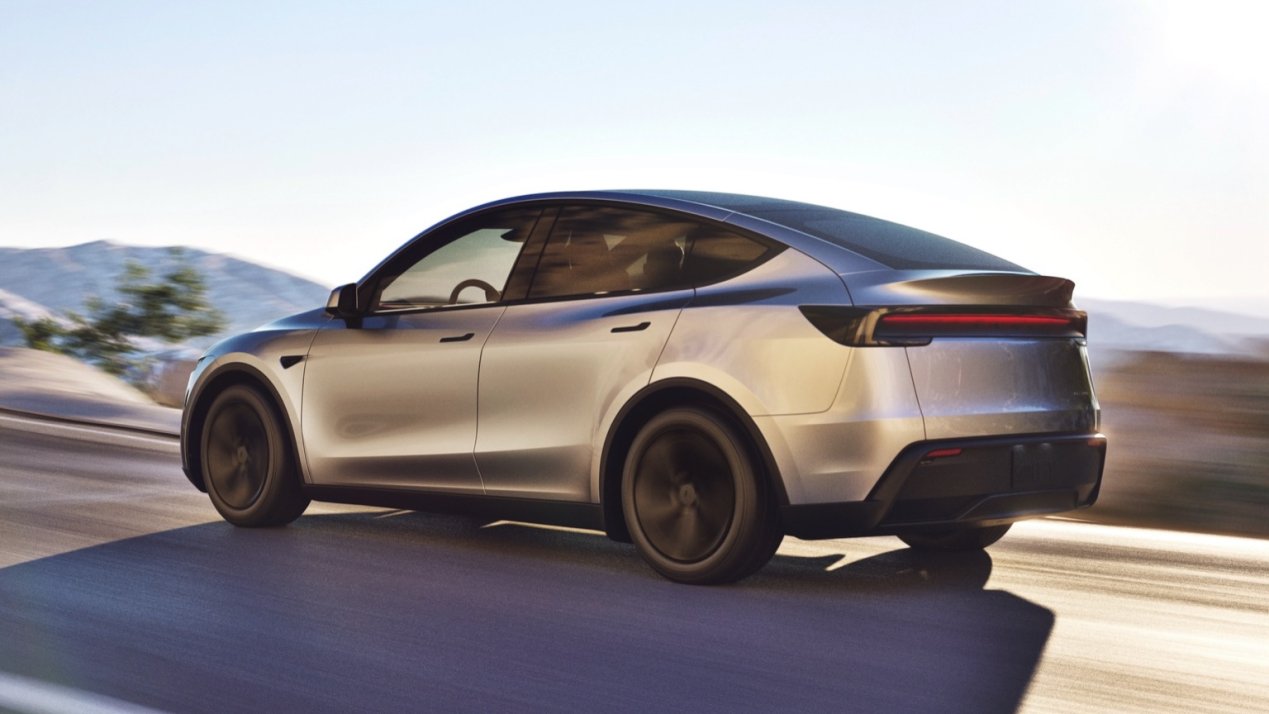
Tesla introduced a new all-wheel-drive (AWD) variant of its Model Y sport utility vehicle in the United States, pricing the model at US$41,990. The launch positions the new version above the lower-priced rear-wheel-drive “Standard” Model Y and reflects Tesla’s ongoing strategy of adjusting pricing and trim offerings as demand patterns and incentive structures shift across the electric vehicle market.
The new Model Y AWD expands a lineup that Tesla has been repositioning since October, when it rolled out lower-priced “Standard” versions of both the Model Y and the Model 3 sedan. Those trims were introduced at prices roughly US$5,000 below the previous base models. Tesla has framed the move as a way to lower entry prices without waiting for the development of a new mass-market vehicle.
According to Reuters, the lower-priced trims have become a central element of Tesla’s 2026 commercial strategy. By recalibrating prices across existing models, the company aims to attract more price-sensitive buyers while sustaining production volumes in a market showing signs of slowing growth.
In the United States, pricing for Tesla’s “Standard” variants has brought transaction prices closer to levels seen before federal incentives were applied. The Trump administration ended the US$7,500 federal electric vehicle tax credit in September 2025, raising the effective purchase price for consumers. Analysts cited by Reuters said Tesla’s pricing adjustments are intended to help offset the impact of the lost incentive.
In markets outside the United States, the introduction of lower-priced trims represents a more visible price reduction of around US$5,000, a move designed to support demand as competition in the global electric vehicle sector intensifies. Automakers worldwide have expanded their EV lineups, increasing pricing pressure in several major markets.
The broader electric vehicle market has cooled since late 2025, with demand growth slowing amid higher interest rates and reduced subsidies. Tesla has not been immune to these trends and is facing increasing competition from both established automakers and newer entrants offering similarly priced models.
Analysts have cautioned that a growing share of lower-priced vehicles could weigh on Tesla’s margins if cost reductions fail to keep pace. Reuters reported that preserving profitability will likely depend on Tesla’s ability to lower manufacturing costs or generate additional revenue from software, connectivity, and other vehicle-related services.
Separately, Tesla Chief Executive Elon Musk said last week that the company plans to end production of its Model S and Model X vehicles. Musk said Tesla intends to repurpose space at its California factory to support the production of humanoid robots, reflecting a shift in manufacturing priorities as resources are redirected toward other technology initiatives.
Tesla has not provided a timeline for the production changes related to the Model S and Model X, nor has it disclosed details on how quickly the factory space will be converted. The company also declined to comment on whether the move would affect employment levels at the facility.
![Kia's electric hot hatch spotted in action for the first time [Images]](https://www.evshift.com/wp-content/uploads/2026/02/1770676792_Kia-electric-hot-hatch-spotted-770x515.jpeg "Kia’s electric hot hatch spotted in action for the first time [Images]")