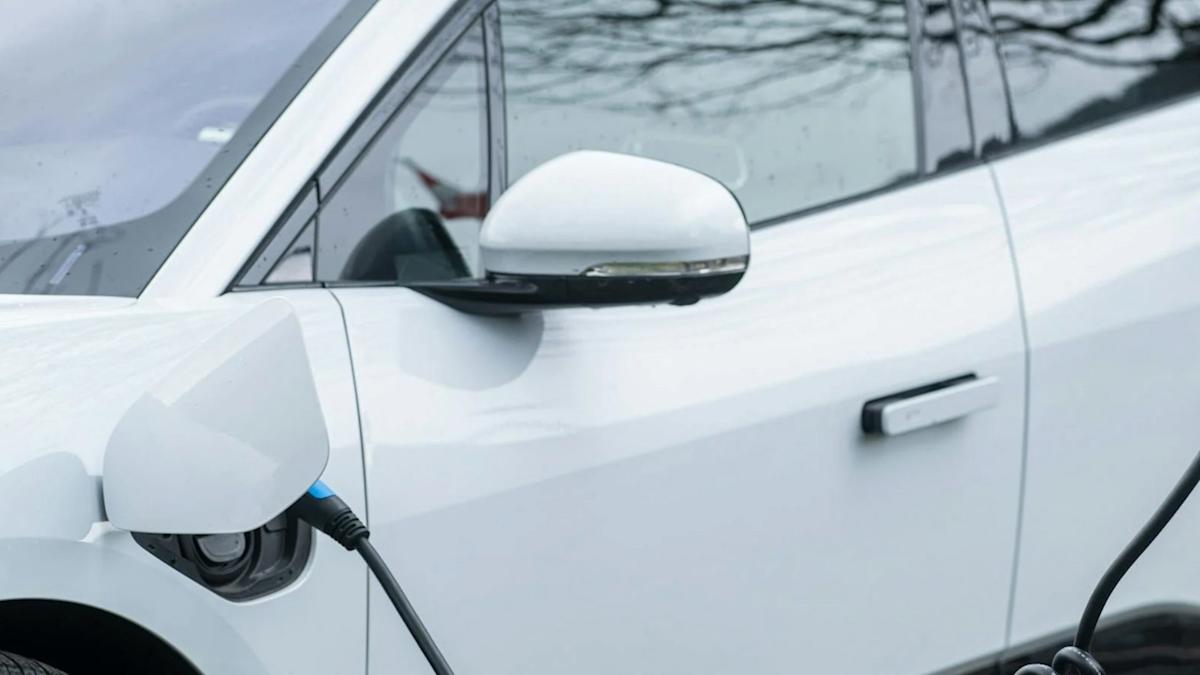
China just delivered a blunt verdict on one of the electric vehicle industry’s favorite design tricks: hidden door handles are unsafe, and the experiment is over.
Starting Jan. 1, 2027, regulators will ban concealed and electronic-only door handles, forcing automakers to return to basic mechanical releases on both the inside and outside of vehicles. The rule applies to all vehicles but lands squarely on the EV sector, where sleek, flush-mounted handles became a marketing obsession.
The decision came from Ministry of Industry and Information Technology, and it follows growing alarm over doors that look futuristic but fail when people need them most. In crashes, fires, and power failures, electronic handles have repeatedly proven unreliable. When seconds matter, “aerodynamic efficiency” means nothing if occupants or rescuers cannot open the doors.
That danger was no longer theoretical. In October, first responders were unable to open the doors of a burning electric vehicle built by Xiaomi after a crash in Chengdu. The driver died. Investigators reported the vehicle’s door design hindered rescue efforts. That incident crystallized what critics had warned for years: minimalist door hardware is a liability.
The trend traces back to Tesla, which popularized flush handles with the 2012 Model S. From there, the design spread rapidly through Chinese and global EV lineups, sold as high-tech progress while quietly removing a critical safety fallback. Automakers accepted marginal drag reductions in exchange for added complexity and failure points.
China is now forcing a reckoning. The new rules require visible, mechanical exterior handles and clearly marked interior releases. Models already approved for sale will get two years to comply. Everything else must change.
This matters far beyond China. As the world’s largest EV and passenger vehicle market, China increasingly dictates global standards. Companies selling internationally will face a choice: redesign vehicles for China alone or admit the old approach was flawed and fix it everywhere.
The industry’s response is telling. Chinese manufacturers like BYD have already overtaken legacy leaders in EV sales, giving Beijing leverage to enforce safety-first rules others avoided.
This ban exists because designers chased aesthetics and efficiency gains that looked good in launch videos but failed in real emergencies. China didn’t ask the industry to rethink hidden door handles. It ordered it to.
Join our Newsletter, subscribe to our YouTube page, and follow us on Facebook.