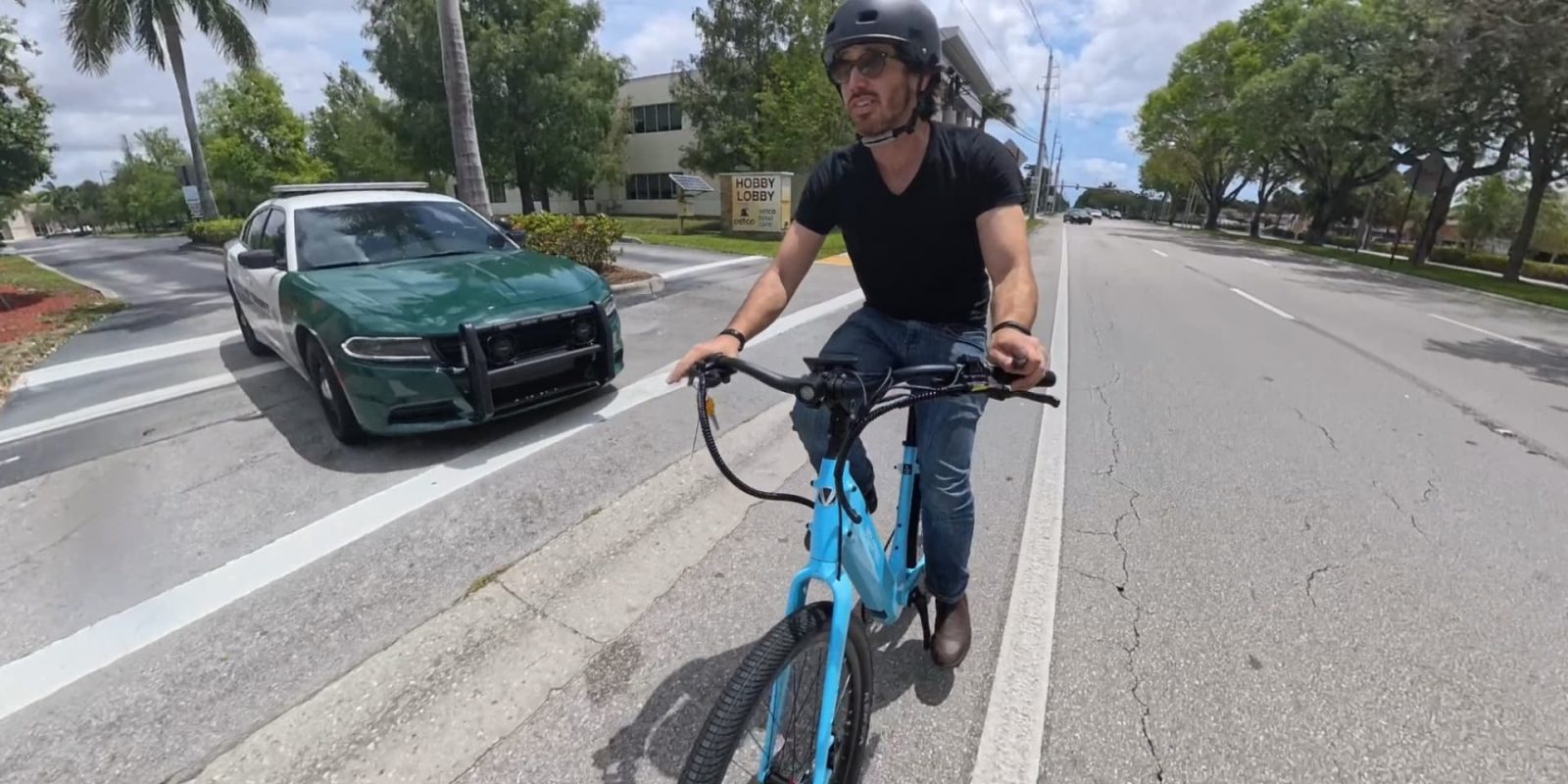
Florida is the latest US state to wade into the increasingly crowded waters of e-bike regulation, with lawmakers advancing a bill that would impose a situational 10 mph (16 km/h) speed limit for e-bikes on shared-use paths. It’s a move that fits squarely into a broader national trend, as states and cities across the country reconsider how electric bikes fit into public spaces that were never designed with fast, motor-assisted travel in mind.
The proposed Florida legislation isn’t a blanket crackdown on e-bikes, nor does it rewrite the familiar three-class system like we’ve seen in harsher crackdowns such as the recently created New Jersey law. Instead, it zeroes in on where and how e-bikes are used, particularly on sidewalks and multi-use paths where speed differences between users can quickly become a safety issue.
What the bill proposes
At the center of the bill is a requirement that e-bike riders slow to 10 mph (16 km/h) or less when operating on shared-use paths or sidewalks that are occupied by pedestrians. Riders would be required to drop to these speeds when operating within 50 feet (15 meters) of pedestrians. In practice, this means that even an e-bike capable of much higher speeds would need to crawl along at near jogging pace when mixing closely with walkers, runners, or slower mobility devices. Riders would also be required to yield to pedestrians on these paths and to give an audible signal, such as a verbal warning or a bike bell, before passing.
The bill also includes familiar language clarifying enforcement authority for local governments, but goes further, requiring police to specifically record and track all electric bike-related accidents and mandating the creation of a task force that would further analyze the issue and determine if changes to the regulations are necessary.
Advertisement – scroll for more content
Supporters argue that these provisions are less about punishing riders and more about creating clear, enforceable expectations in spaces where conflicts are becoming more common.
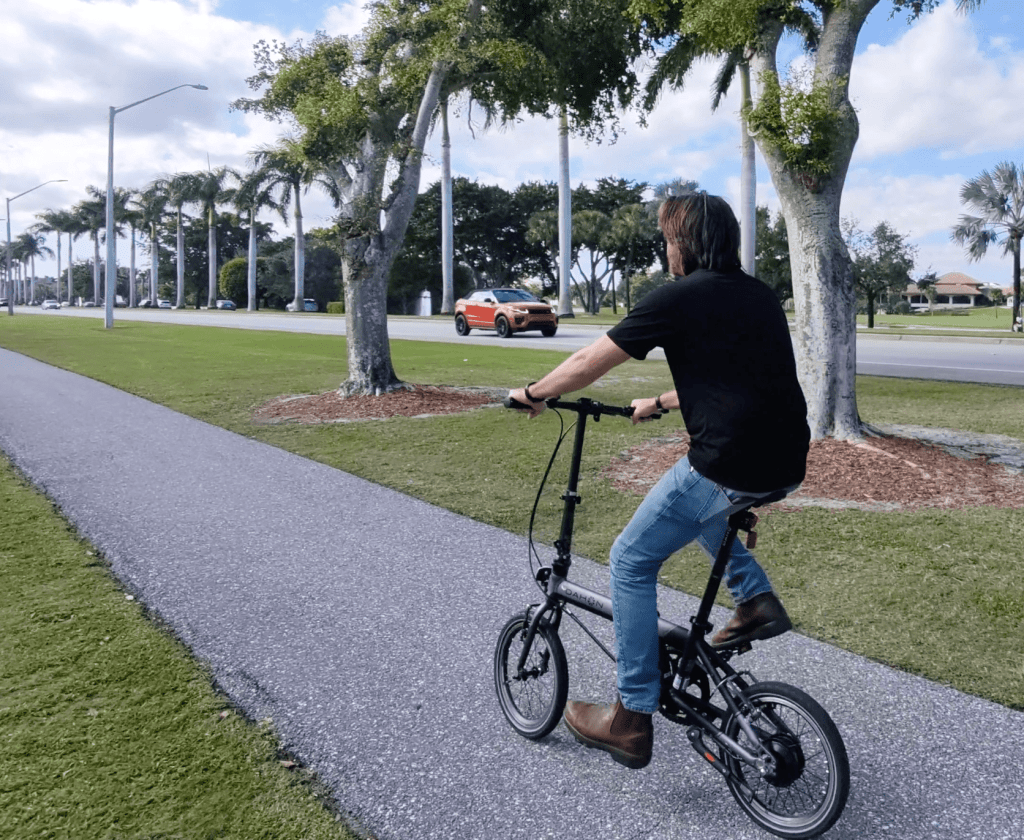 Florida’s multi-use paths are the watering hole of the mobility world, where many types of non-car mobility devices cross paths, and occasionally conflicts arise
Why Florida is different
Florida’s infrastructure plays a big role in why this issue is getting so much attention. In many parts of the state, city roads routinely run at 45 to 50 mph (72-80 km/h), with actual car speeds exceeding those figures, making them uncomfortable or outright dangerous for cycling on the shoulder or in the existing bike lanes separated from 55 mph (88 km/h) traffic by just a thin strip of paint. Florida has long led the nation in cycling deaths, often more than doubling the rates of the next highest states.
So instead of traditional narrow sidewalks, Florida often relies on wider, paved multi-use paths set back several yards from the roadway.
These paths are hugely popular and heavily used. It’s common to see pedestrians, cyclists, mobility scooters, skateboarders, joggers, golf carts, and other non-car mobility devices all sharing the same strip of pavement. In that environment, a 20 or 28 mph (32 or 45 km/h) e-bike can feel perfectly natural when the path is empty and forward visibility can be a mile or more on Florida’s notoriously long and straight roads, or it can feel wildly out of place when buzzing past a group of retirees getting in their morning walk.
From that perspective, the 10 mph limit is less about e-bikes specifically and more about managing speed differentials in a uniquely Florida-style public space.
But whether or not the proposed bill becomes law depends on whether it passes in the current legislative session. Considering the favorable recommendation it got in committee, though, that’s not hard to imagine.
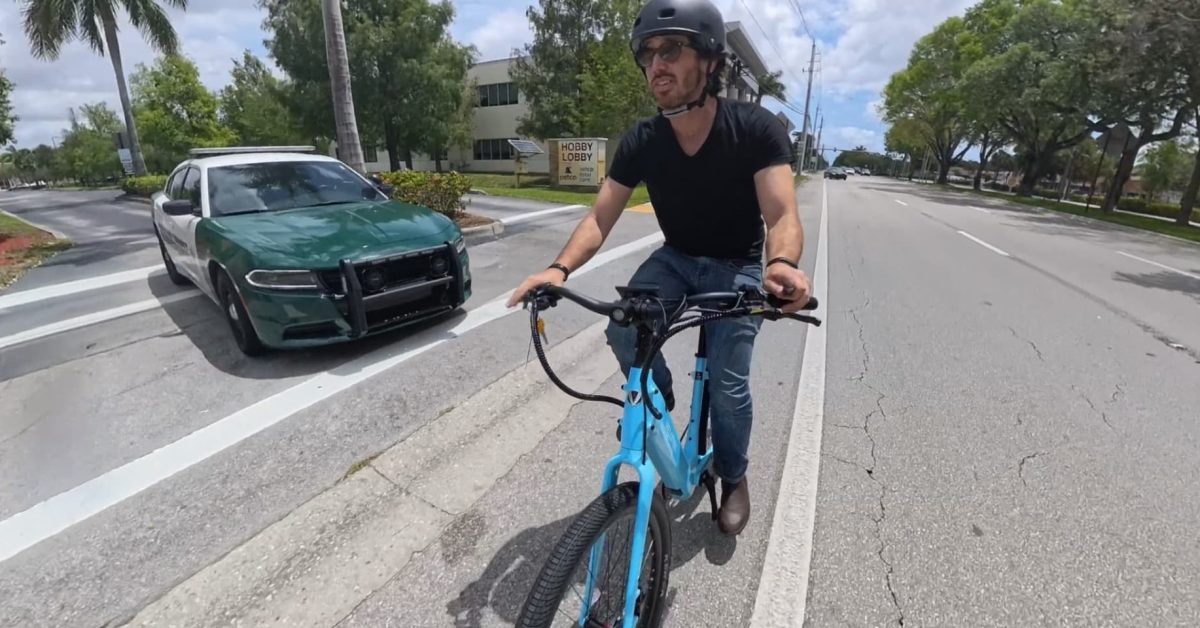
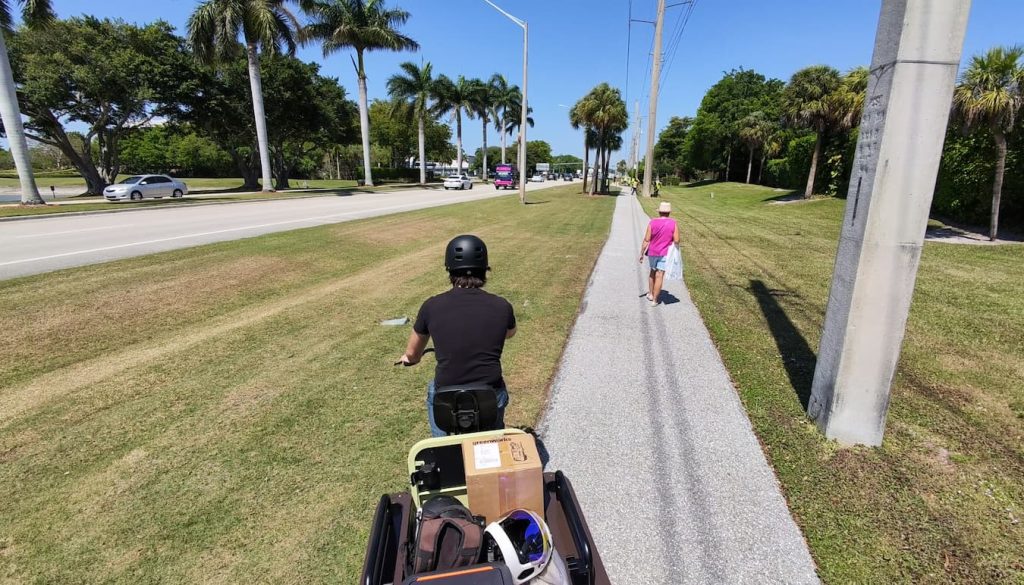 An electric trike rider (me) diverts to pass a pedestrian on a Florida multi-use path
Part of a bigger national shift
Florida isn’t acting in a vacuum. Across the US, states and municipalities are experimenting with new rules for e-bikes, from local speed caps to licensing requirements for higher-powered models that fall into a growing “e-moto” category distinct from electric bicycles. The rapid adoption of e-bikes has outpaced decades-old traffic laws, and lawmakers are now scrambling to catch up.
Whether Florida’s 10 mph rule ends up as a sensible safety measure or an overly blunt instrument will depend largely on how it’s enforced. But it’s fair to say that as e-bikes continue to grow in popularity, especially as car alternatives, debates like this are only going to become more common.


FTC: We use income earning auto affiliate links. More.