 Key PointsXpeng GX debuts as luxury flagship SUV with extended-range electric focusSEPA 3.0 platform underpins AI-driven systems and EREV flexibilityDesign prioritises premium restraint over aggressive futuristic stylingExtended-range tech reflects shifting buyer preferences in ChinaAustralian launch remains uncertain but strategically plausible long term
Xpeng has lifted the curtain on its next flagship SUV, and it marks a notable shift for a brand that built its reputation on fully electric vehicles.
Called the Xpeng GX, the large six-seat SUV is being positioned as the company’s most advanced and luxurious model to date. It is also expected to rely on an extended-range electric setup rather than going fully battery powered, signalling a pragmatic change in strategy as Chinese buyers continue to embrace range-extending technology.
Built on Xpeng’s new SEPA 3.0 Physical AI architecture, the GX is designed to showcase the brand’s latest software, driver assistance systems and luxury ambitions, while still addressing real-world concerns around long-distance driving and charging convenience.
This is not a small vehicle. Early indications suggest it will stretch beyond five metres in length, placing it firmly in China’s fast-growing large SUV segment.
▶️MORE: 2025 Xpeng G6 Price and Specs
 Design cues lean luxury, not tech theatre
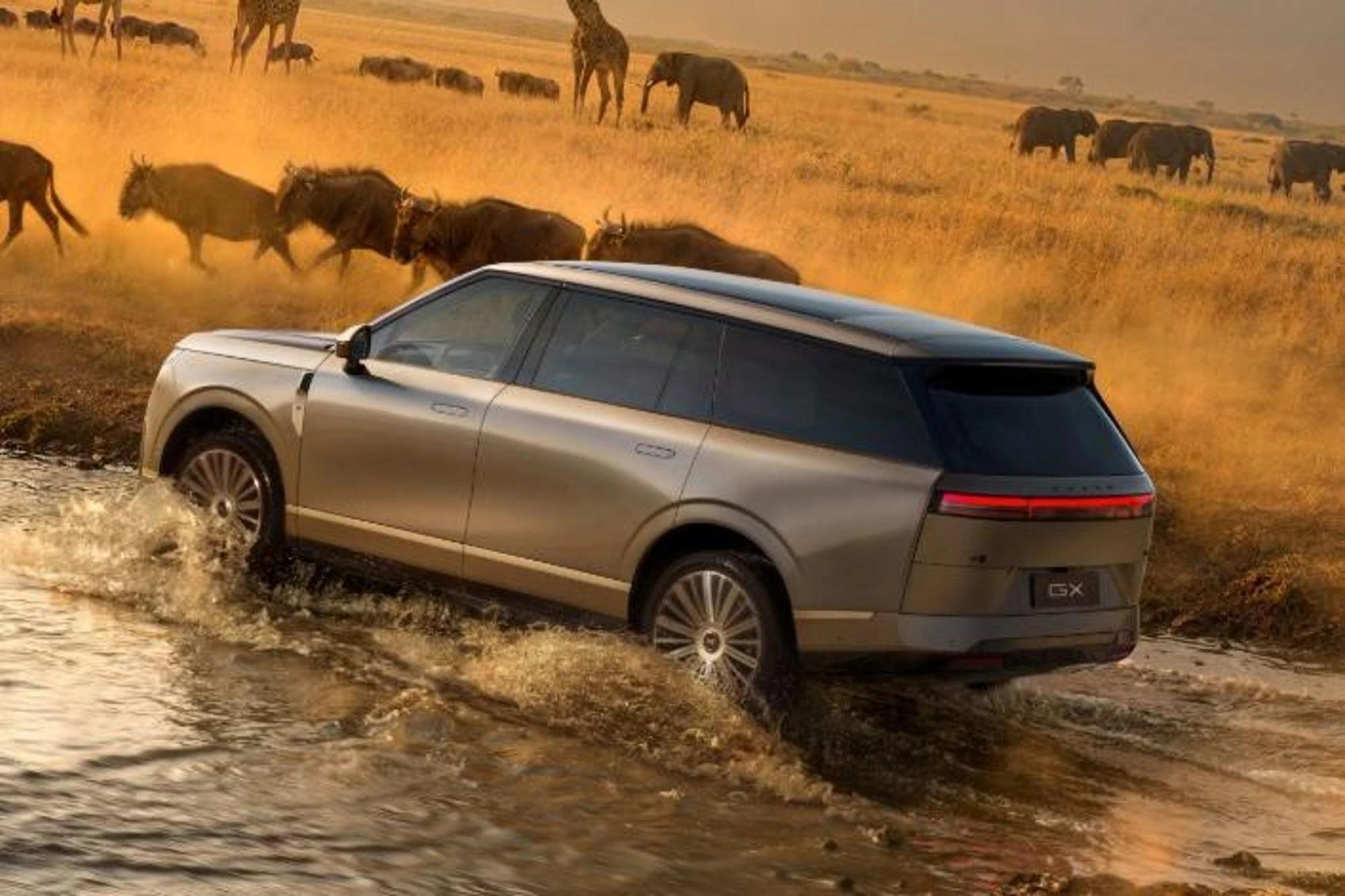
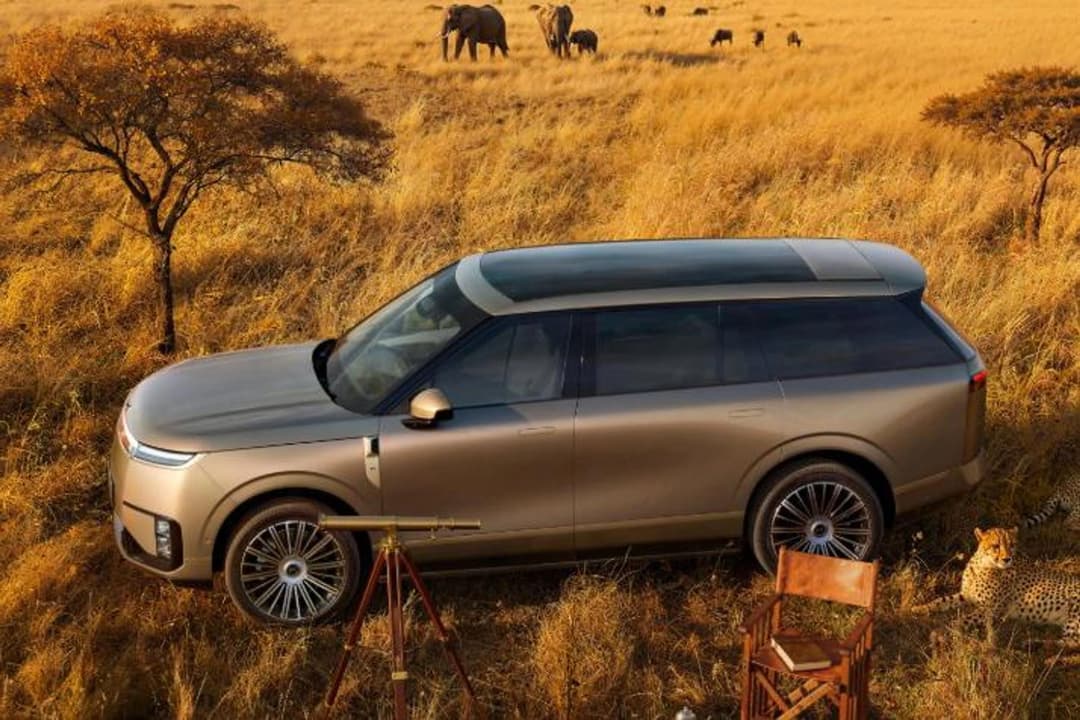
The first official images released by Xpeng ahead of regulatory filings show a restrained and premium design direction rather than something overtly futuristic.
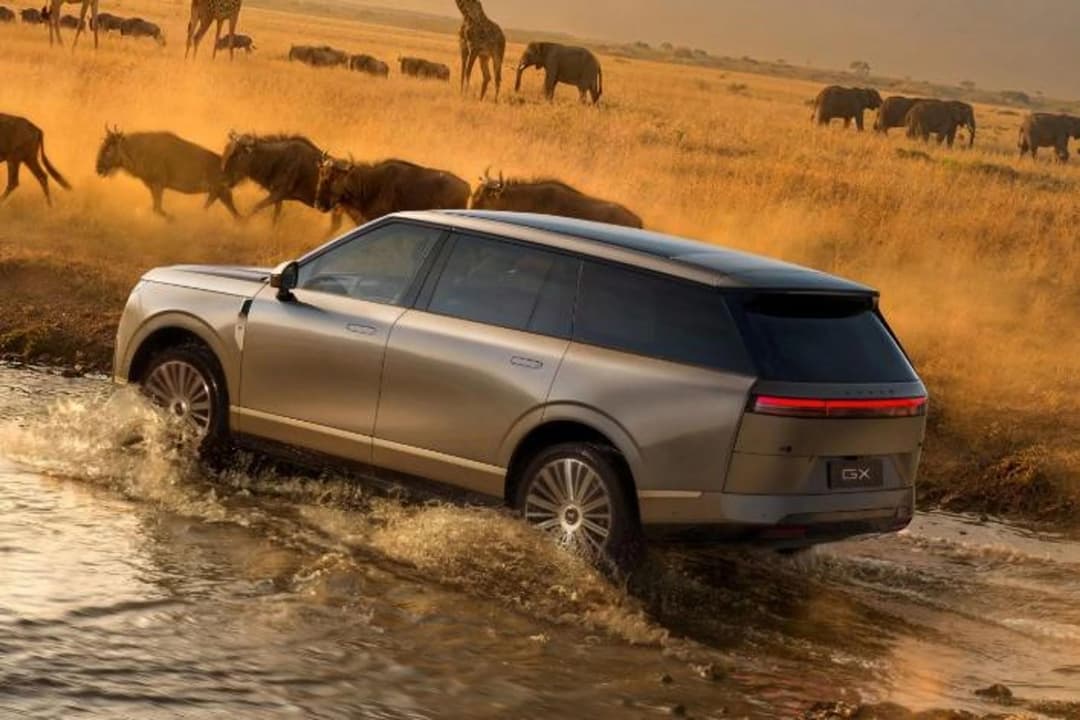
The GX features smooth body surfaces, slim lighting elements and blacked-out C and D pillars that visually lighten the roofline. The overall profile draws inevitable comparisons with Range Rover, particularly in champagne-toned paint and the upright stance.
Design highlights visible so far include:
Full-width rear light bar with clean tailgate designSlim front lighting signature with minimal visual clutterFlush, retractable door handles, likely among the last of their kind in ChinaStrong focus on proportion and surface quality over aggressive styling
Interestingly, retractable handles are expected to be phased out under new Chinese regulations from 2027, suggesting the GX may arrive just before the cutoff.
▶️MORE: Xpeng G6 Gets 2026 Refresh With Major Updates
Why Xpeng is embracing extended-range electric technology
While Xpeng has not confirmed detailed powertrain specifications, the GX is widely expected to use an extended-range electric configuration. In this setup, a petrol engine never drives the wheels directly and instead acts solely as a generator to recharge the battery.
This approach has gained enormous traction in China, where long-distance travel and uneven charging infrastructure still shape buyer behaviour. Even EV-first brands such as Xpeng and Zeekr have begun adding EREVs to their line-ups, responding directly to market demand rather than ideology.
Xpeng’s own X9 people mover already uses this formula, pairing a large battery with a small turbocharged petrol generator and an 800-volt electrical system. That model delivers a claimed electric-only range well beyond most plug-in hybrids, while also offering total driving range figures that remove charging anxiety entirely.
If the GX follows a similar blueprint, it will likely focus on:
Large LFP battery capacity for daily electric drivingHigh-voltage architecture for fast charging and efficiencyLong total range aimed at family and long-distance buyers
This also explains why the GX may not have a fully electric twin. Xpeng appears to be treating it as a purpose-built flagship rather than a derivative.
▶️MORE: XPeng Aims To Become Top 5 EV Brand In Australia
 What this could mean for Australia
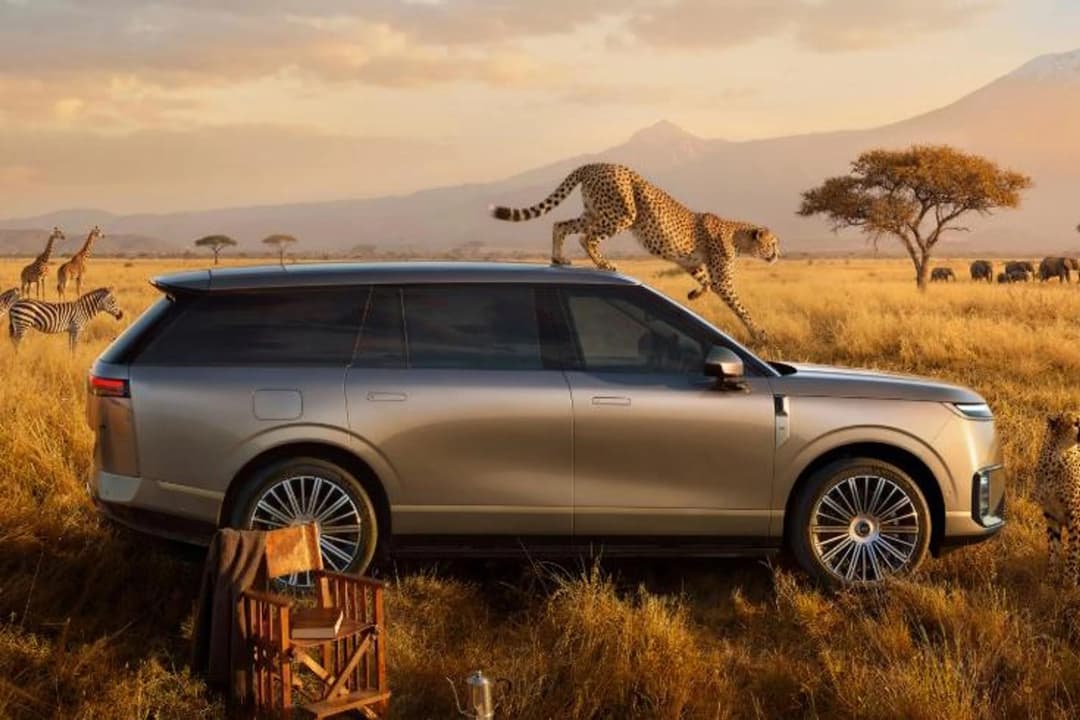
For Australian buyers, the GX represents an interesting “what if” moment rather than a confirmed future model.
Xpeng has already locked in the G9L large electric SUV and the X9 people mover for local launch in 2026, expanding well beyond the current G6 mid-size SUV. That suggests serious long-term intent in the Australian market.
However, extended-range electric vehicles remain a regulatory and branding grey area locally. Australia’s emissions rules, fuel standards and consumer understanding are still catching up to the technology, and Xpeng would also need to address naming conflicts, as GX is already used by Lexus.
If it did arrive, the GX could appeal strongly to:
Large families wanting electric-first driving without charging anxietyBuyers cross-shopping premium hybrids from Lexus and ToyotaRegional drivers where public fast charging remains limited
Whether Xpeng sees Australia as ready for an EREV flagship remains the big unanswered question.
Where the GX sits in Xpeng’s global line-upCategoryXpeng GX PositionNotesVehicle typeLarge six-seat SUVFlagship positioningPlatformSEPA 3.0 Physical AIDesigned for EREV flexibilityPowertrainExtended-range electricEngine used only as generatorMarket focusChina-firstAustralia unconfirmedLine-up roleAbove G9L and G6No direct electric equivalent
With Chinese rivals like the Li Auto L9, Aito M9, Denza N9 and Zeekr 9X all fighting for attention, Xpeng’s GX is entering one of the most competitive EV-adjacent segments in the world.