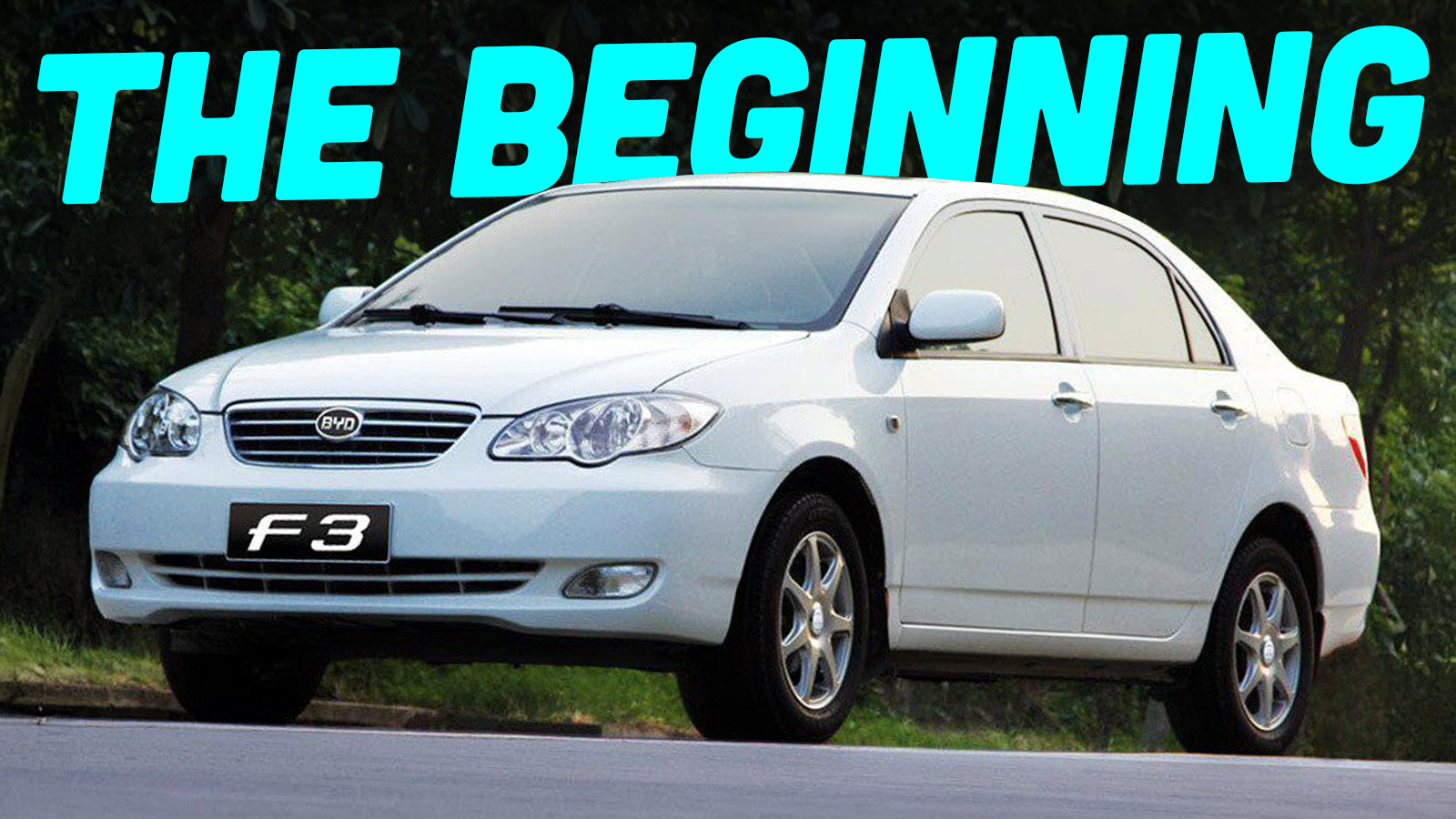
China’s car industry is a powerhouse today. Chinese brands aren’t just pumping out desirable cars, but ones with impressive spec sheets. One of the largest brands in the region is BYD, and BYD is so large that it’s known worldwide. That wasn’t always the case. Back in the 2010s, BYD wanted to make a name for itself in America. Its plan to do so involved setting up shop at a used car dealer and then importing a plug-in hybrid that looks like a Toyota Corolla. The BYD F3DM actually seemed like a decent idea, but it was never meant to be.
BYD, which stands for Build Your Dreams, does have a presence in America. You cannot presently buy a BYD-branded car in America, but if you hang around a port on the West Coast for long enough, you might spot a BYD battery electric truck scooting around. You might even ride an electric bus built by BYD right here in America. BYD says that its factory in Lancaster delivered its first bus in 2014, and by late 2020, BYD built its 400th bus. Back then, BYD had transit customers in 14 states and four Canadian provinces.


BYD hasn’t always been obsessed with building commercial vehicles in America. One of the company’s goals for a while has been to sell cars to the public. Amazingly, BYD did manage to import a few handfuls of cars to America, but never reached the goal of actually selling Americans cars. One of them was the BYD F3DM. On paper, this car was actually sort of amazing for what it was. This car looked like a Toyota on the outside, but on the inside, it was a plug-in hybrid that got 60 miles of electric-only range and had a target price of under $29,000. BYD even managed to get some into America, just for the plan to fall apart.
From Batteries To The World’s Largest EV Maker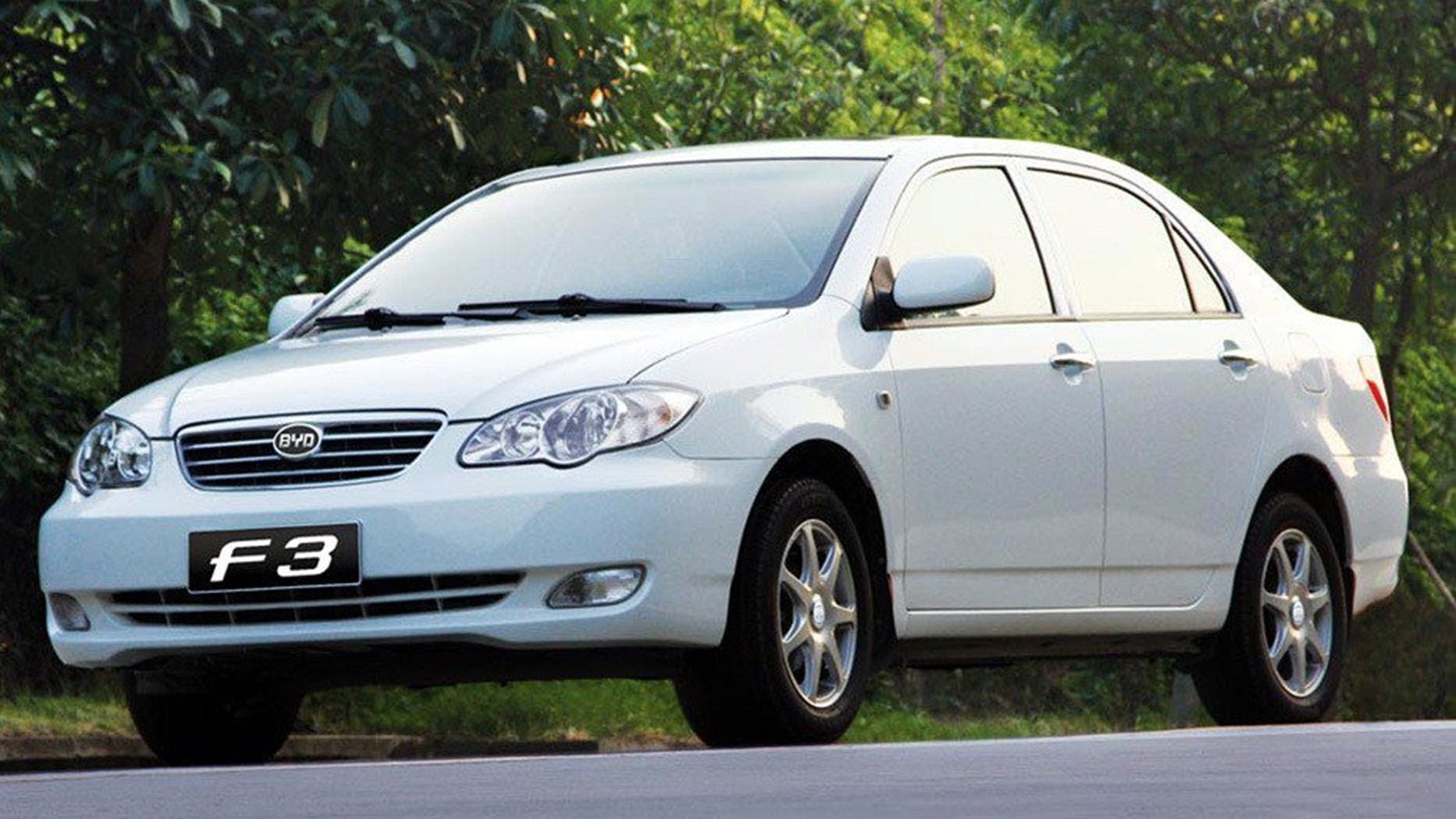 BYD
BYD
If you’ve been reading the Autopian for long enough, the BYD name is probably familiar as the brand slinging cars that technically cost less than $10,000 in U.S. Dollars. Contributor and Chinese car expert Tycho de Feijter tested a BYD Dolphin Surf, a car that was one of China’s cheapest and best-selling EVs. BYD also outpaced Tesla on the sales charts last year, which is pretty neat. BYD currently holds the crown of being the world’s largest EV maker.
BYD’s dominance in building electric vehicles makes sense when you realize that the firm has its roots in battery power. The company was founded by Wang Chuanfu in 1995. Chuanfu was a 29-year-old chemist at the time and launched the company with a $352,000 loan from his cousin. From BYD:
The company founder saw the future in power and BYD Co Ltd was formed to be a world leader in energy generation and energy storage, specifically rechargeable batteries, to compete against expensive Japanese battery manufacturers.To do this, Wang Chuanfu studied the patents and the batteries themselves to determine how they worked and how he could make them better and more affordable; a practice that BYD has used to great effect in the advancement of its diverse product range.
Chuanfu took on an ailing Chinese auto manufacturer in 2002 and by 2003 had made its name as an automotive industry player, though it would be a few years before the company’s first automotive product would be released. Diversification is a key strength of BYD Co Ltd, and the company’s battery tech, found in many popular brands of cellular phones, laptops, and electronic consumer goods – plus its interests in new energy and rail transit – allowed BYD Auto to successfully step into the world’s automotive stage.
It was 2008 when the Shengzhen-based automaker burst onto the scene when US billionaire investor, Warren Buffet bought into the company with a 10% stake, citing BYD Auto as ‘’one day becoming the largest player in a global automobile market that was inevitably going electric.’’ This had the resultant effect of bringing BYD onto Daimler’s radar, which formed a joint venture partnership with BYD Auto to produce an electrified version of the B-Class MPV – a worthwhile project which could have gone further than it did were it not for Mercedes-Benz’ reluctance to pursue the JV.
An Impressive Hybrid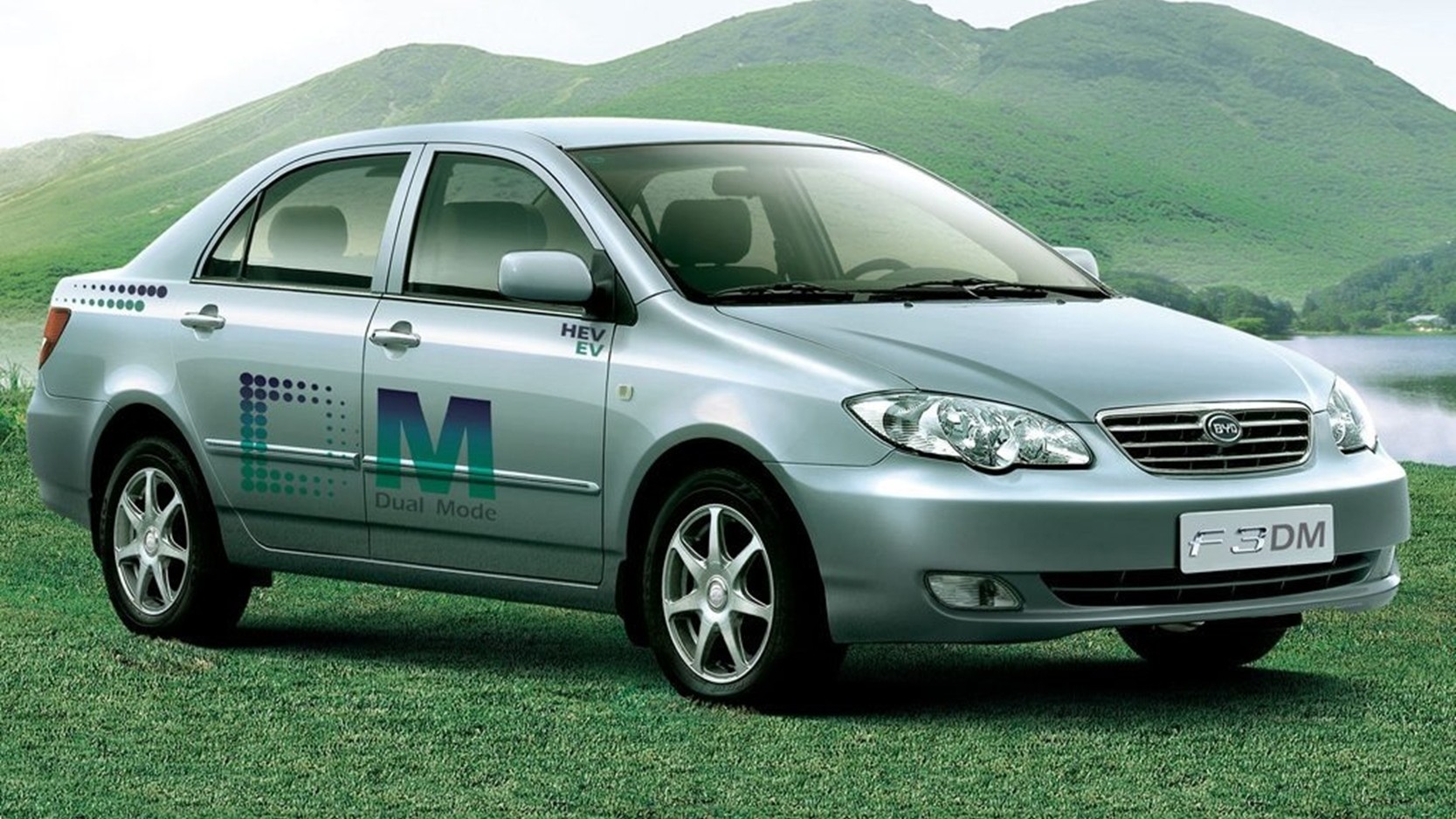 BYD
BYD
Many Americans got their first taste of BYD back in 2009. That’s when BYD shocked the world with the launch of the F3DM, a plug-in hybrid that looked like a Toyota Corolla, but promised 60 miles of range. The car launched in China for the equivalent of $22,000. At the time, publications like Motor Trend expressed amazement that BYD apparently achieved putting an advanced electrified car on the road before General Motors could do the same with the Chevrolet Volt.
BYD didn’t let that news sit for too long, however, and announced that it was bringing the F3DM and the all-electric E6 crossover to the Detroit auto show in 2009. If you want to go on a nostalgia trip, you can read Matt Hardigree’s 2009 auto show report on the F3DM.
 BYD
BYD
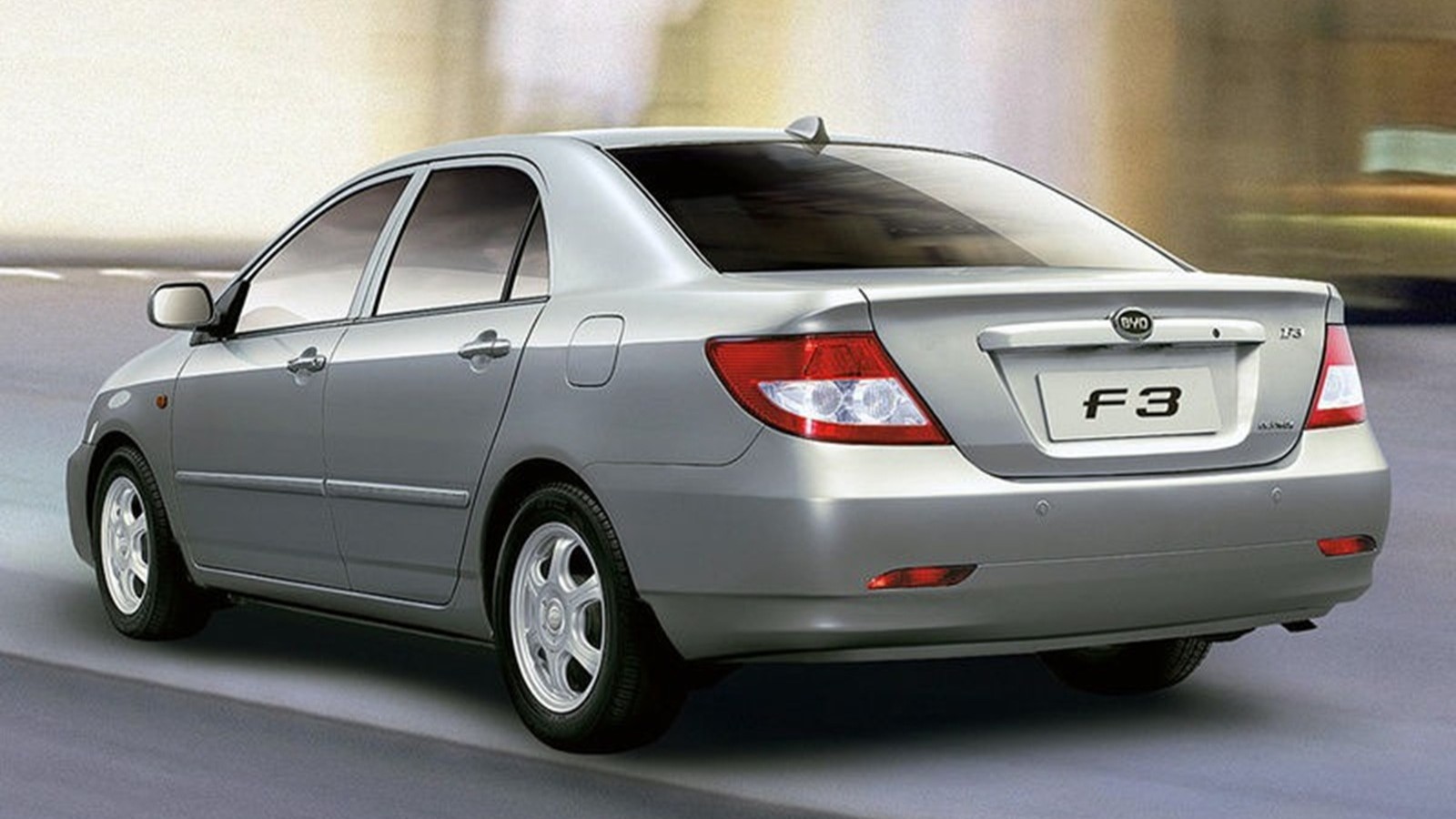
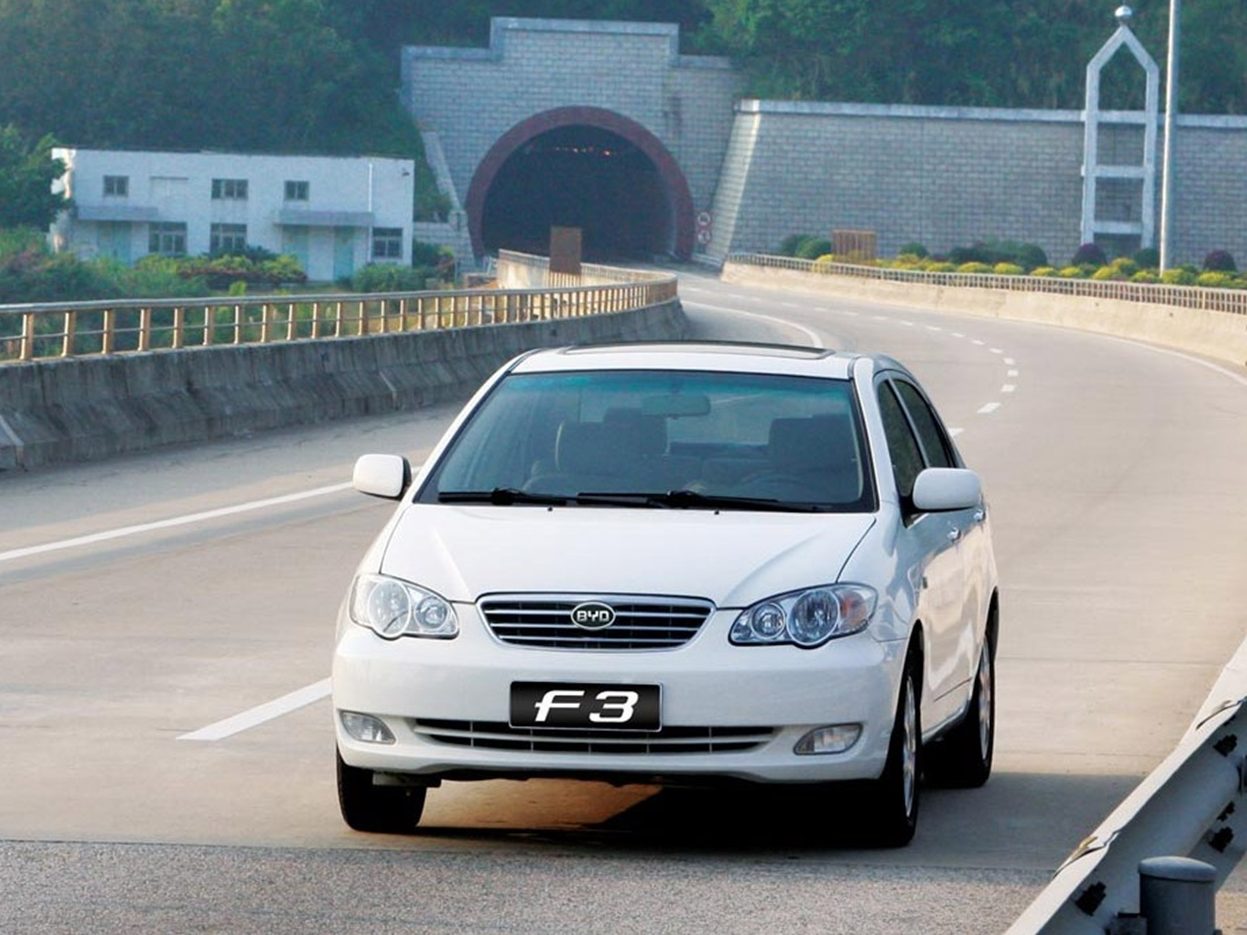
The F3DM is based on the F3, which was one of the most important cars in BYD’s history. BYD started car production in 2003, but its first cars were not of its own design. That changed in 2005 with the F3, the car that BYD says was the first to be designed in-house. The F3 was a relatively basic car. It was powered by a 1.5-liter Mitsubishi 4G15S four-cylinder engine, which made 95 horsepower. Early BYD F3s were available only with a five-speed manual transmission, but would later become available with a four-speed automatic.
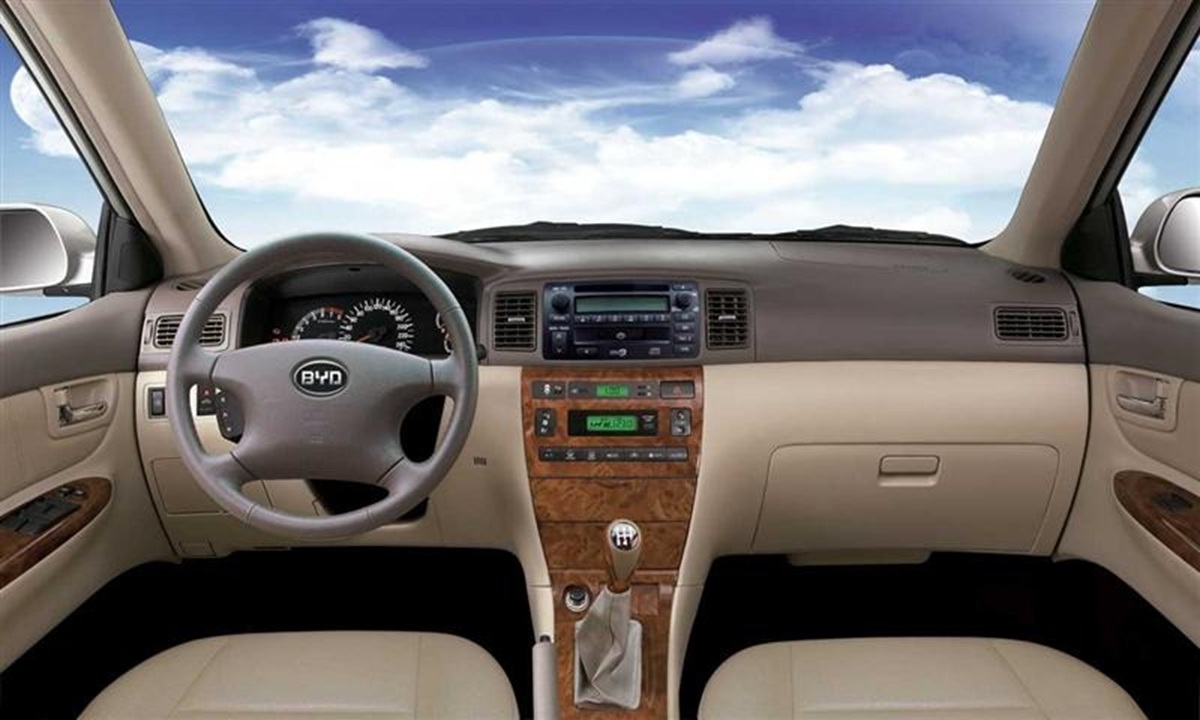
The early F3 was sometimes criticized for looking a bit too much like a mid-2000s Toyota Corolla up front. The interior also looked surprisingly like the Corolla. Others took the F3 to task for looking like an early 2000s Honda City from the rear. The F3 would go on to sell over 100,000 units in its first year. Later, BYD would sell over a million of the things in China.
 BYD
BYD
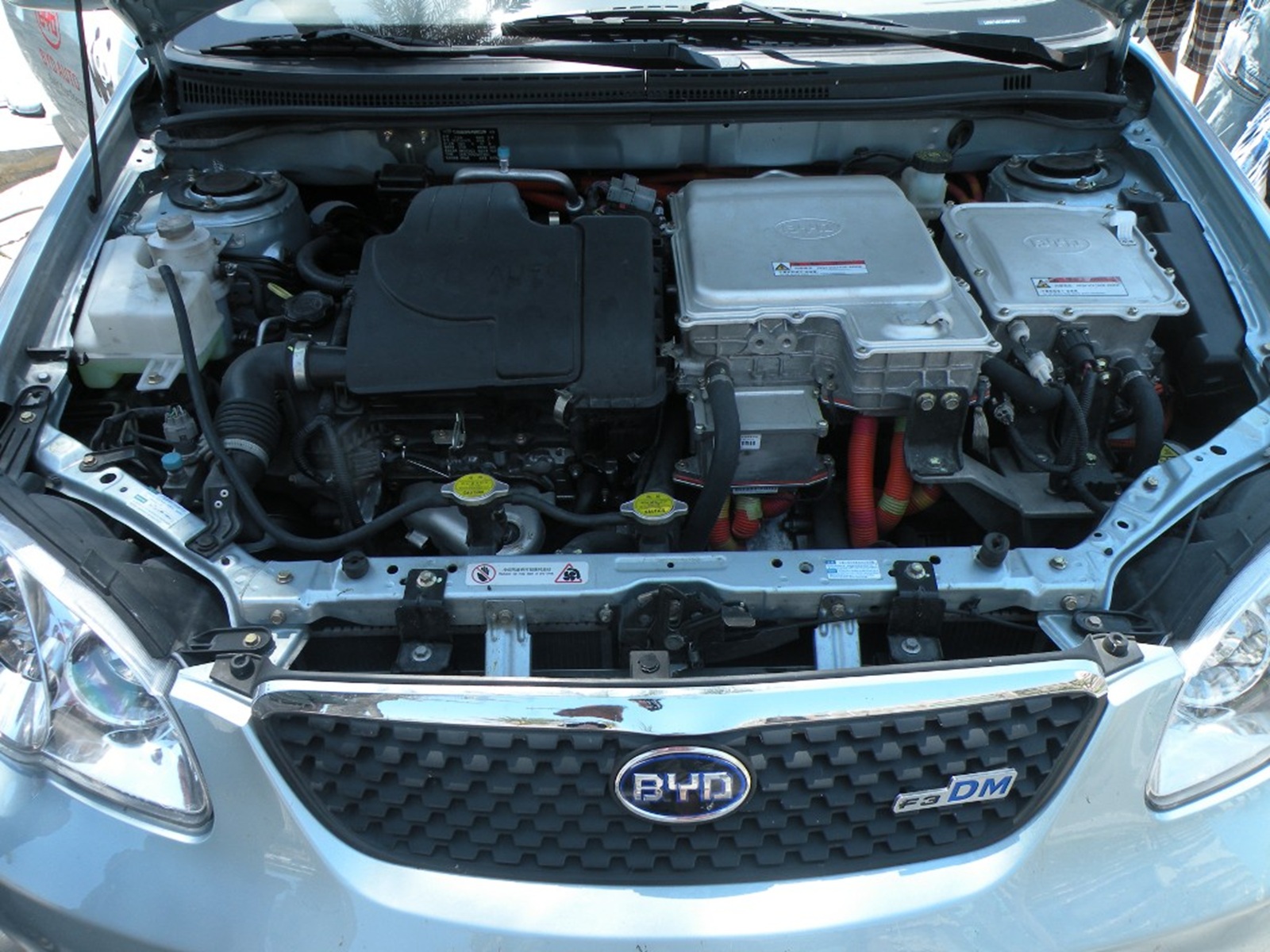
BYD clearly didn’t let the critics get to it, because it had big plans for the F3. Only three years after the launch of the F3, BYD came swinging with the F3DM (Dual Mode), and it sounded too good to be true. Under the F3DM’s skin sat a 16 kWh lithium iron phosphate battery (LiFePO4). This battery juiced up a 34 HP generator and a 67 HP permanent-magnet synchronous motor. This, combined with a 68 HP 1.0-liter aluminum three-cylinder engine, gives a total system power of 168 HP. The vehicle was a plug-in hybrid with an onboard charger. When plugged into a 110-volt source, the vehicle took around nine hours to charge.
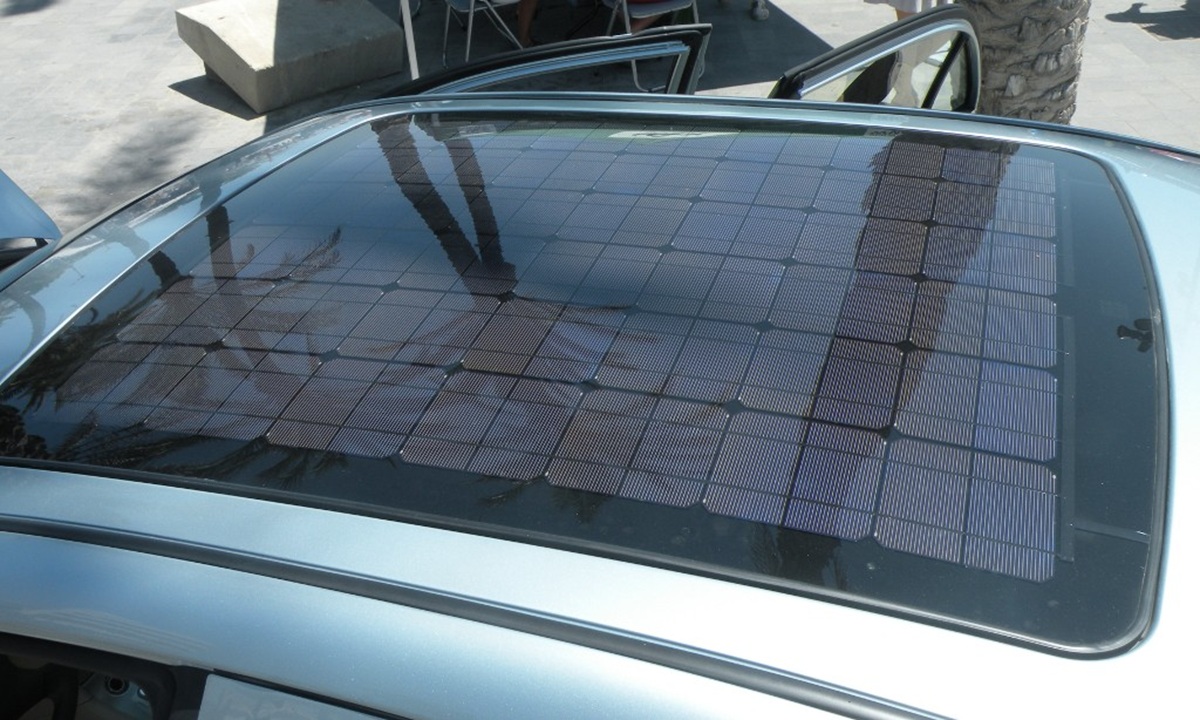
The electric-only range was said to be 62 miles, with the gas engine extending range another 300 miles once it fired up. A solar panel on the roof powered the vehicle’s accessories. The caveat was that BYD said the 62-mile range was at purely urban speeds. Still, it was better than what a Prius could do at the time.
 Movilidad Sostenible – CC BY-SA 2.0
The F3DM wasn’t very fast and more or less matched the performance of many EVs and hybrids of the era. It could hit 60 mph in about 10.5 seconds, and top speed was 93 mph. In fairness, it wasn’t like BYD expected you to race the thing.
The F3DM went on sale to Chinese government agencies in December 2008, reportedly making it the first mass-market plug-in hybrid to go on sale. Its price was $22,000. American outlets were baffled by the F3DM. BYD beat the Chevrolet Volt to market and outclassed the Toyota Prius in both power and battery technology. Our very own Matt Hardigree called the F3DM “The Chinese Volt” back in 2009.
The F3DM Lands In America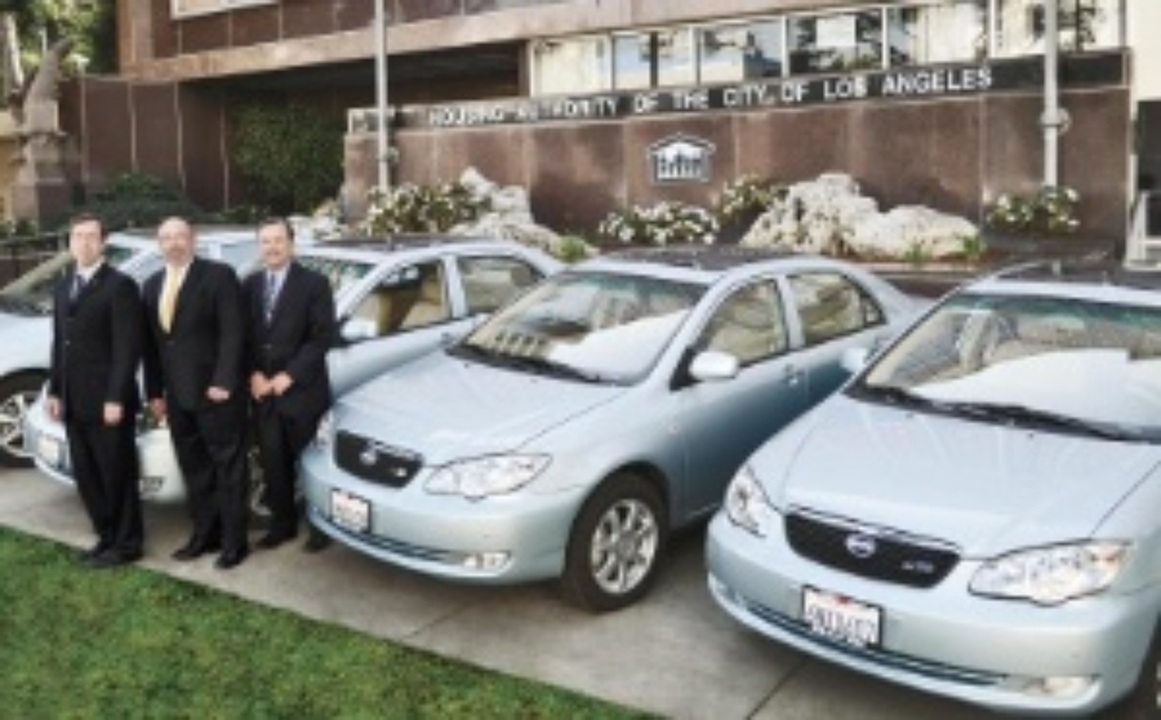 HACLA
HACLA
The F3DM was a big enough deal that BYD launched a testing program with the Housing Authority of the City of Los Angeles. The city got 10 of the F3DMs for the cost of $400 per month per vehicle. The BYDs replaced the Toyota Prii that were being driven by inspectors, and HACLA installed outlets to charge the fleet overnight.
The program was a success, and HACLA drove its 10 F3DM fleet approximately 14,430 miles. The organization said that 10,430 of those miles were driven purely on battery power, and the cars got the equivalent of 88 mpg. BYD calculated that HACLA’s per-car savings were 70 percent compared to running a fleet of Toyotas.
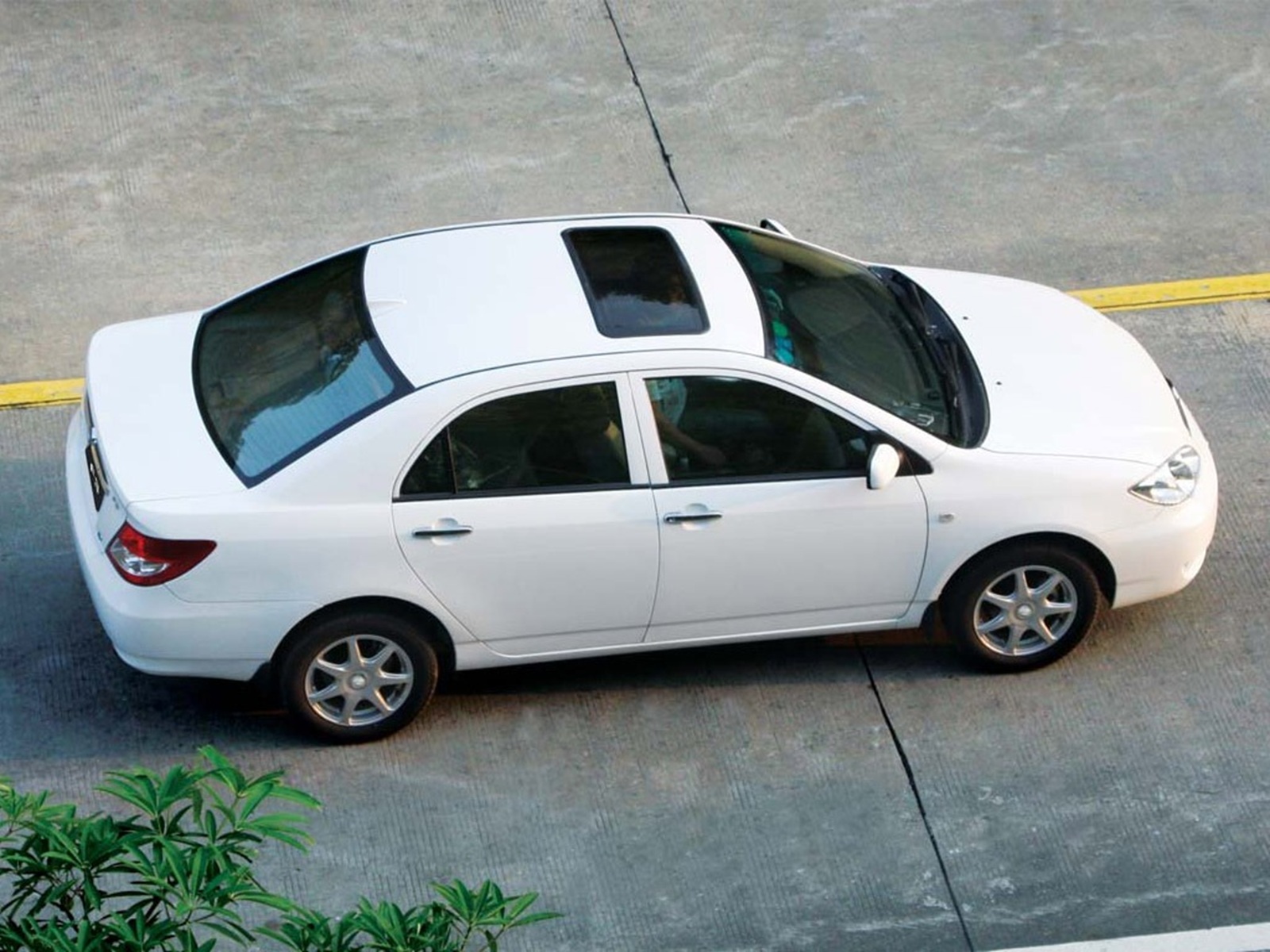
Yet, to say that BYD’s American operation was “scrappy” would be an understatement. When HACLA cut the deal with BYD, the automaker’s American headquarters operated out of Cars 911, a used car dealership in the neighborhood of Glendale. That’s where BYD’s demonstrator cars were hosted and repaired. When BYD finally let journalists drive the cars in 2011, that’s where they picked up their F3DM testers. According to Motor Trend, BYD had grander plans and wanted to set up an official corporate office on Figueroa Street.
 BYD
BYD
The New York Times got to drive an F3DM and painted a picture of a futuristic car that was very rough around the edges. From the review:
Despite its potential importance, hardly anybody noticed the F3DM, not surprising given its appearance — about as trendy as a Y2K-era Toyota Corolla. Until now, the car has been unavailable for test drives in the United States. The view from behind the wheel is as proletarian as it gets: no frills, no flash, no real driving engagement. It would be easy to chuckle at the F3DM’s minor flaws — the wobbly storage compartment between the front seats, subpar floor mats, squishy handling. But the build quality and materials seem perfectly adequate for utility-oriented Americans. The exterior panels line up; audio and air-conditioning buttons are a bit big, but easy to use; seats are reasonably comfortable. Slam the door and it goes “thunk.”
[…]
My drive of the F3DM started with the 16-kilowatt-hour battery charged to 95 percent of its usable capacity. Instead of babying it to see how close I could get to the 60 miles of E.V. range BYD claims, I punished the F3DM with a succession of pedal-to-the-floor freeway merges and herky-jerky speeding and slowing, all with the air-conditioning going full tilt. No matter how hard I floored the accelerator or how hard I pushed to keep pace with the frenzied Los Angeles freeway traffic, the F3DM stayed in purely electric mode, as long as the battery’s state of charge was above 20 percent. Acceleration, as expected, was quick off the line — not as snappy as the Nissan Leaf, but better than electric offerings from niche E.V. makers like Smart and Think. After 31 miles of this flogging, the battery reached its 20 percent switchover threshold and the car automatically shifted from pure E.V. operation to its hybrid mode.
[…]
Much of the recent progress in conventional gas-electric hybrids has been aimed at making a seamless transition from gas to electric and back again. Not so with the F3DM. The car’s personality shifts from a quick, nimble and silent E.V. to a revving demon. The steering wheel vibrates. The dashboard hums. You feel the vibration in your molars. As long as the battery pack’s charge is in the 20 to 25 percent range, the F3DM’s urgent priority is to fill up the batteries to about 30 percent so that electric driving can be resumed. Even at a stop, when other hybrids — and gasoline-only cars in increasing numbers — use an idle-stop feature to shut down the engine, the F3DM’s engine noisily stays on task.
The New York Times writer drove 112 miles and consumed only 2.3 gallons of gas, reaching a healthy 48.7 mpg.
BYD’s Many Struggles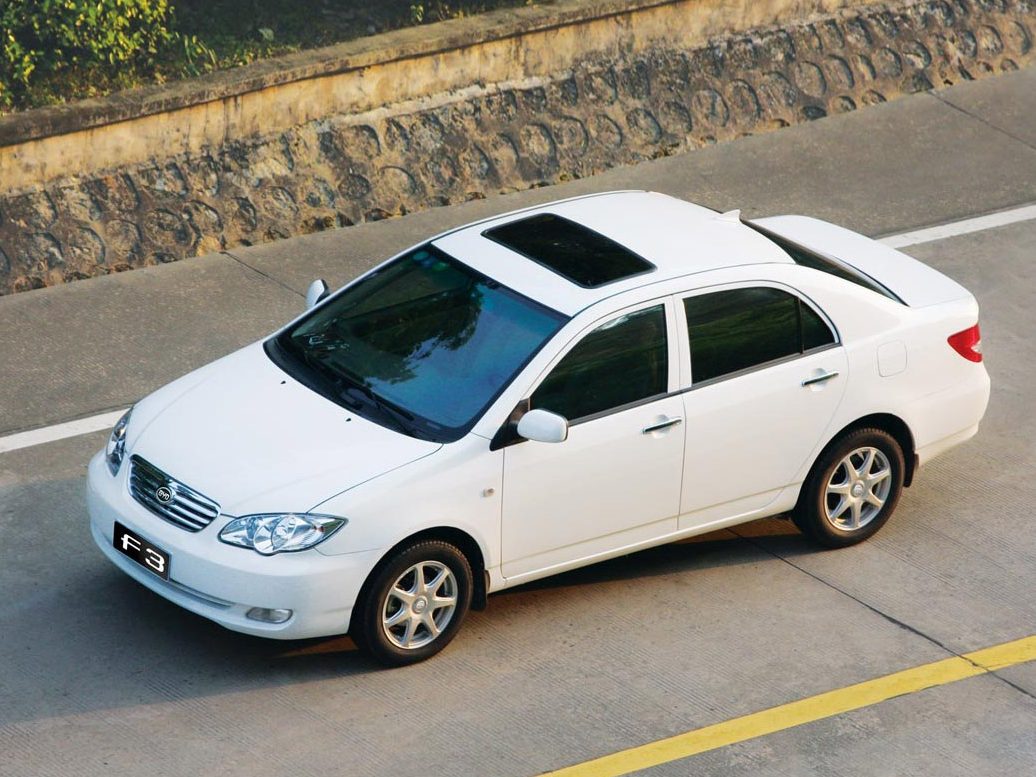 BYD
BYD
BYD had an extensive to-do list before selling the F3DM to the American public. The car needed a J1772 connector for starters. BYD also had to figure out a nationwide dealership network, plus clear the vehicle through NHTSA’s safety regulations and the EPA’s emissions regulations. The BYD F3DMs that were in America were Chinese models that were temporarily imported for evaluation purposes.
BYD’s hardest challenge might not have been getting the car certified for sale, but convincing the American public to buy a car from a Chinese brand. The NYT noted that the car would have likely needed further refinement, from better engine mounts and sound deadening to a better fit and finish.
 Movilidad Sostenible – CC BY-SA 2.0
The sweetener, at least, was that BYD projected that the car would sell for $28,000 in America. With the EV incentives of the day, the car could have gotten around the $20,000 mark. That would have put the BYD in direct competition with the third-generation Toyota Prius, which launched in 2010 with a base price of $21,000. The NYT brought up the original Chevy Volt, mentioning that car’s $41,000 price tag.
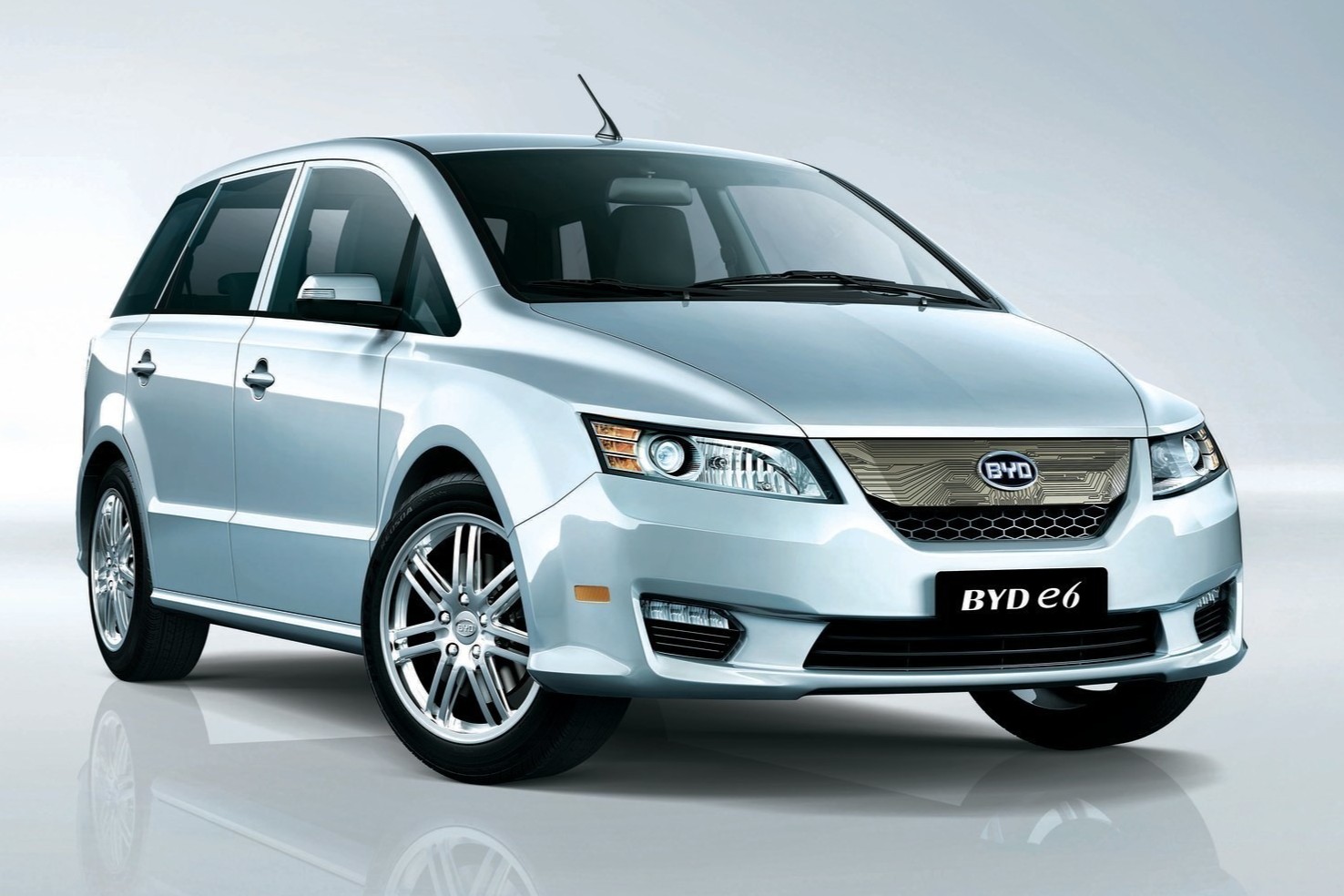
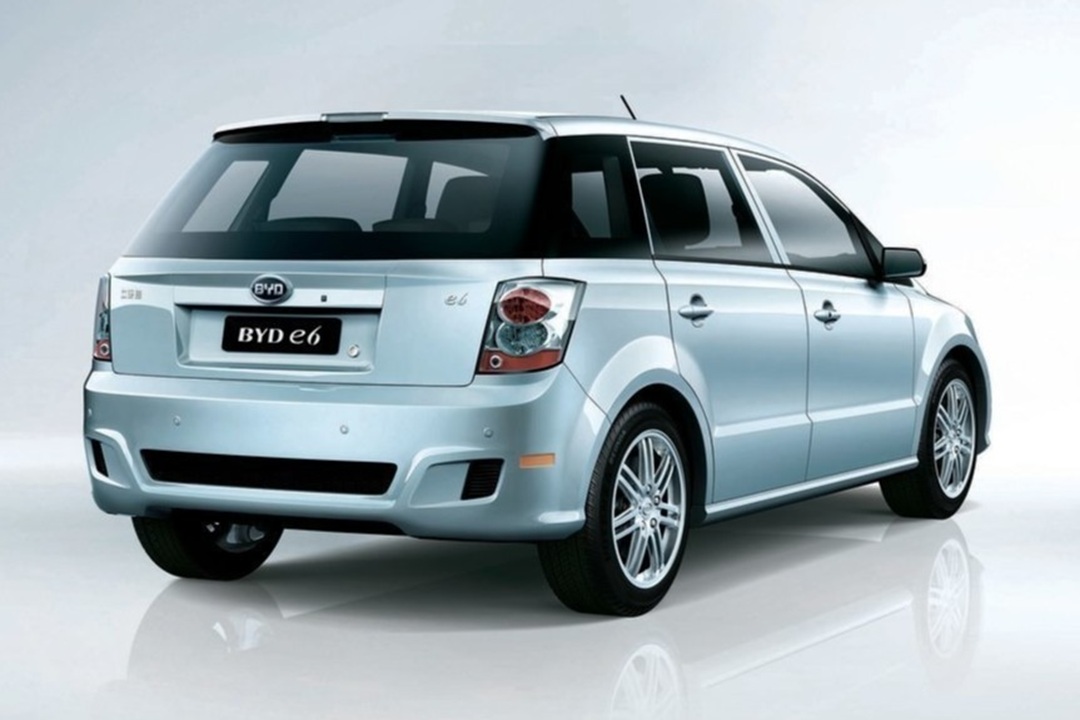
BYD didn’t put all of its eggs into one basket, either. In 2009, BYD also announced that it would sell commercial vehicles and electric SUVs in America. One of these vehicles was the BYD e6, a pure battery electric crossover. This ride has a 61 kWh battery, an advertised range of up to 186 miles, and an electric motor good for 121 HP. BYD initially wanted to sell the e6 for only $35,000 to Americans.
 BYD
BYD
Sadly, none of these vehicles would ever officially be sold to the American public. The e6 was supposed to come to America earlier than it did. However, in 2011, America’s then-poor EV charging infrastructure convinced BYD to delay sales of the F3DM and imports of the e6. BYD America would instead decide to sell batteries, solar panels, and electric buses while putting the car dream on hold.
There was another problem brewing on top of America’s poor infrastructure. BYD said that it sold close to 10,000 units in China between 2008 and 2011. However, sales struggled, and in 2012, BYD announced that the F3DM would be replaced by the BYD Qin plug-in hybrid. F3DM production ended in 2013 with the vehicle failing to plant its stakes in America.
Conditions were also dire for the e6. In 2013, BYD America gave up on the idea of selling the e6 to the public. However, it still wanted to sling e6 crossovers to taxi fleet customers for the price of $52,000. This would allow BYD America to focus on building electric transit buses.
 BYD
BYD
In 2015, a fleet of 25 BYD e6s was sent to Chicago to be used by Uber drivers. Roughly 80 e6s made it to America, with most of the ones that didn’t go to Chicago ending up in New York City. Unlike the F3DM test cars, these were federalized for use in America. Chances are, if you’ve ever even seen an e6, it was because one was picking you up in Chicago or New York. Sadly, like so many of the quirky EVs from a decade ago, most of the e6 crossovers have largely faded into only memories. Only a few examples are still out there.
A Valiant Effort
So, the BYD F3DM and the e6 were technically failures. They were a part of a grand plan that came falling like a house of cards. In fairness to these cars, it wasn’t really their fault. BYD wanted to come to America swinging with cars that the country wasn’t quite ready for. Based on period reporting, it sounds like not even China was ready for them, either. It’s also not like BYD completely failed, either. Instead, it would find its market in selling electric commercial vehicles.
 BYD
BYD
Amazingly, BYD e6s are still on the road in America. I personally saw an e6 scooting around Chicago in 2019, and another e6 was spotted in Chicago only a month ago. A couple of years ago, I also scored a secret short drive in one reader’s e6. I found the car to be wonderful and quirky, like a scaled-up Scion xA. The Wall Street Journal somewhat recently wrote about a guy who drives a BYD e6 around Honolulu.
BYD did say that it wanted to sell cars in America, but remarked that it would likely be several years before such a thing happened. Sadly, that future still isn’t here. Sure, you can buy a Chinese-built motorcycle, a Volvo from China, a Chinese-built Lincoln, a Buick from China, and all sorts of Chinese AliExpress EVs. If you want a Xiaomi, a Wuling, or a BYD, you’re out of luck. But who knows, maybe we might start seeing Chinese cars in America soon by way of Canada.
Until then, keep your eyes peeled the next time you’re in Chicago or New York. Who knows, maybe you’ll spot an oversized Scion-looking car and realize it’s one of the forgotten BYDs.
Top graphic image: BYD