Among the more notable confessions of the hearing was that Waymo outsources a large portion of its teleoperations to the Philippines. By Stewart Burnett
Top executives from Waymo and Tesla urged US senators to pass legislation regulating autonomous vehicles during a two-hour hearing on 4 February, warning that China risks becoming the global leader without strong support from congress. Lawmakers remained divided over the potential benefits of driverless cars after questioning both companies about their safety issues, legal liability, remote operation and ongoing partnerships with Chinese companies.
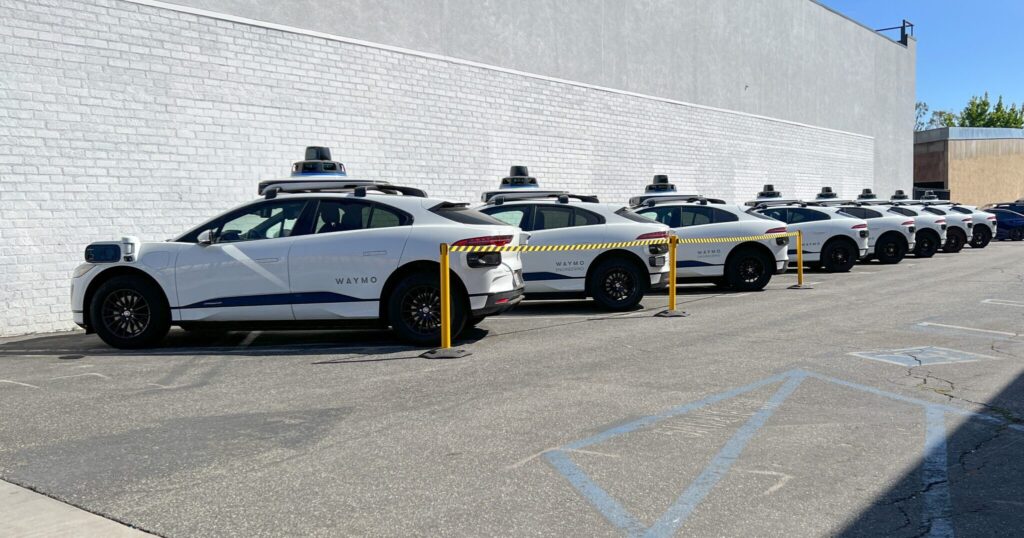
Waymo faced questions about its decision to use a Chinese-made vehicle—a Zeekr RT minivan—for its next-generation robotaxi, as well as a series of high-profile, still-ongoing incidents in which its vehicles failed to stop behind school buses during student pickups in Austin, Texas and Atlanta, Georgia. In a semi-related instance, near an elementary school during drop-off hours, a Waymo robotaxi struck a child at low speed; fortunately the child only sustained minor injuries.
Tesla, on the other hand, was asked about its decision to use camera vision exclusively in its sensor stacks, as well as its position on binding arbitration and ongoing allegations of its autonomous driving marketing being misleading. Democratic Senator from Washington, Maria Cantwell, said that any federal legislation would need to address Tesla’s deceptive practices, noting that the company was able to market technology requiring human supervision as ‘Autopilot’ because no federal guardrails yet existed. Tesla has been found liable in lawsuits regarding fatal crashes because of this in the past.
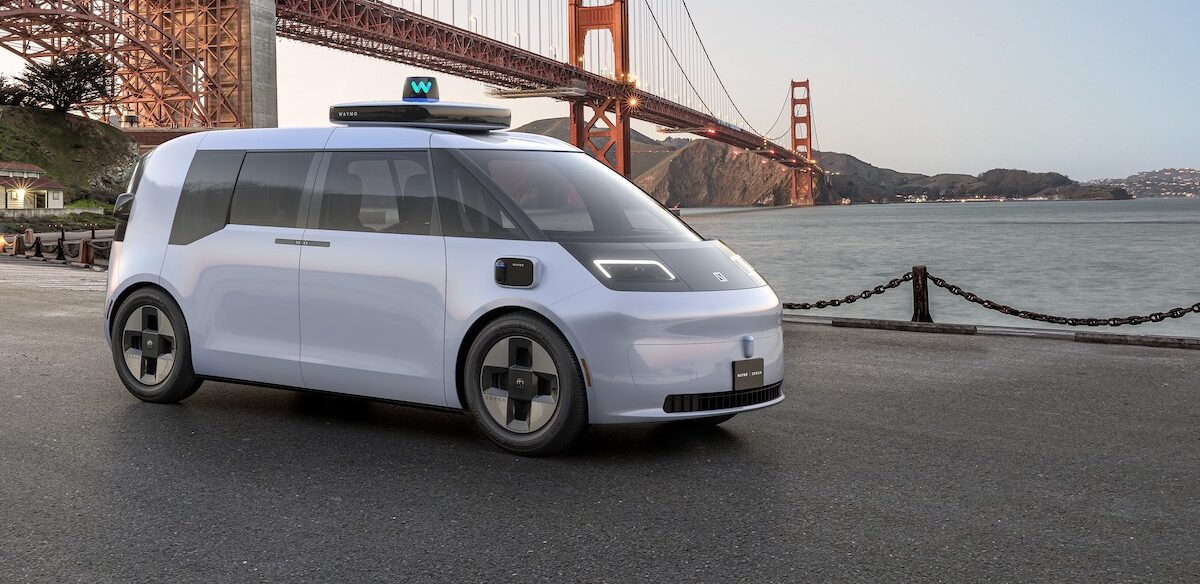 Waymo has come under fire for its use of vehicles from Chinese automaker Zeekr
Waymo Chief Safety Officer Mauricio Peña disclosed during the senate hearing that some of the remote operators who assist its self-driving vehicles are based in the Philippines. When pressed on how many operators are located outside the US, Peña said he did not have the breakdown available, escalating frustration from senators who raised concerns about cybersecurity vulnerabilities, outdated information relays and the qualifications of overseas operators to drive on US roads. Democratic Senator from Massachusetts, Ed Markey, lambasted the idea of transatlantic backseat drivers” both dangerous and unacceptable, and criticised the labour implications of autonomous vehicles displacing US taxi drivers.
Republican Senator from Ohio, Bernie Moreno, questioned Peña on Waymo’s use of Chinese-made vehicles for its robotaxi platform, given current US law prohibits importing vehicles with autonomous or connectivity software that originate from China. Peña explained the vehicles are stripped of all software before arriving in the US, with Waymo installing the autonomous driving software itself and sharing no data outside the country.
Both Peña and Tesla Vice President of Vehicle Engineering, Lars Moravy, said their respective companies would accept liability in incidents where technology was at fault. In practice, however, they contest their liability with vigour. Waymo has maintained throughout the dozens of incidents related to school buses—and the one involving the child—that its technology remains safer than a human driver. It has also rejected pleas from local school districts to remove its technology from neighbourhood roads during school hours.
Texas Republican Senator Ted Cruz, who chairs the Senate Commerce, Science and Transportation Committee, said legislation could be passed as part of the Surface Transportation Reauthorization Act covering federal funding for highways and transit. Cantwell noted that under Tesla Chief Executive Elon Musk’s Department of Government Efficiency, the National Highway Traffic Safety Administration (NHTSA) lost 25% of its total workforce, leaving the Office of Automation with only four staff members at one point. It should be of little surprise, then, that NHTSA initiated significantly fewer recall investigations in 2025 compared with previous years.