 Photo Courtesy: Windmemories – Own work, CC BY-SA 4.0/Wiki Commons.
China’s EV (electric vehicle) juggernaut is showing visible cracks, and the cause is familiar to anyone who followed the US EV market over the past year.
Shares of China’s biggest electric vehicle makers reportedly slid sharply this week after January sales figures confirmed what analysts had been warning for months. Once generous government incentives have faded, and demand is cooling fast. The reaction in financial markets was swift, with investors punishing stocks across the sector.
Hong Kong listed shares of BYD, Xpeng, Li Auto and Nio all fell after reporting steep month to month delivery declines. The selloff reflects growing concern that 2026 could be a difficult year for China’s EV industry, even as it remains the largest electric vehicle market in the world.
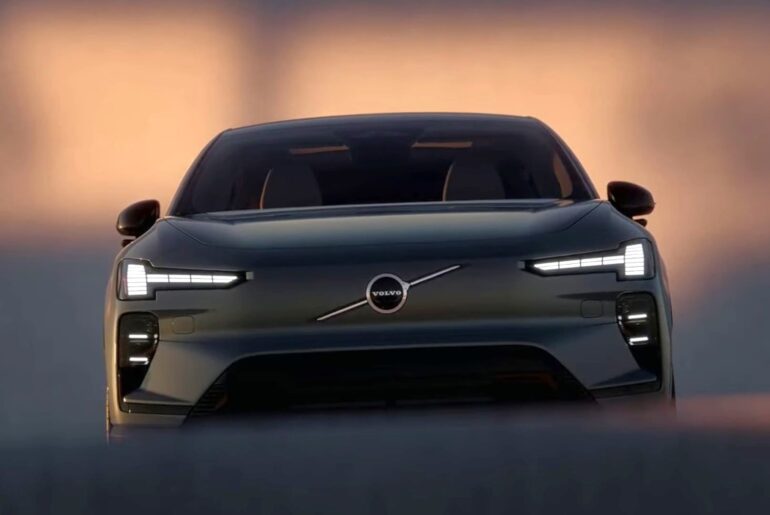
 Image Credit: BYD.
BYD is the world’s biggest EV manufacturer by volume, but it managed to deliver just over 210,000 vehicles in January. That figure marked a 50 percent drop from December and the company’s weakest performance since early 2024. Its Hong Kong shares reportedly dropped nearly 7 percent in a single trading session.
Xpeng reported a nearly 47 percent decline in January deliveries, while Li Auto and Nio also posted drops exceeding 35 percent compared to December. The declines were widely anticipated, but the scale of the slowdown still rattled investors.
At the heart of the slump is Beijing’s decision to scale back long-standing EV incentives. Chinese buyers were fully exempt from the country’s 10 percent vehicle purchase tax last year.
That exemption has now been reduced to a 5 percent levy, with a full return to the original tax rate scheduled for 2028. For buyers shopping at the lower end of the market, the change is meaningful.
A 100,000-yuan (around $14,000) EV now carries an additional tax burden equivalent to roughly half of an average monthly salary.
This pattern mirrors what unfolded in the United States just months earlier.
Image Credit: Rivian.
In 2025, several US EV incentives expired or were tightened, including federal tax credits that became subject to stricter sourcing and assembly requirements. EVs that previously qualified for the full $7,500 federal credit suddenly became ineligible overnight.
The result was a short-term surge in late 2024 sales as buyers rushed to beat the deadline, followed by a noticeable slowdown in early 2025.
US automakers saw inventories rise, incentives quietly return in the form of dealer discounts, and Wall Street recalibrate expectations for EV demand growth. Tesla cut prices multiple times. Ford scaled back EV production plans. General Motors slowed the rollout of some electric models.
China now appears to be entering the same post incentive hangover phase.
January’s weak sales were partly the result of demand being pulled forward into late 2025, when buyers rushed to lock in tax exemptions and higher subsidies before they disappeared.
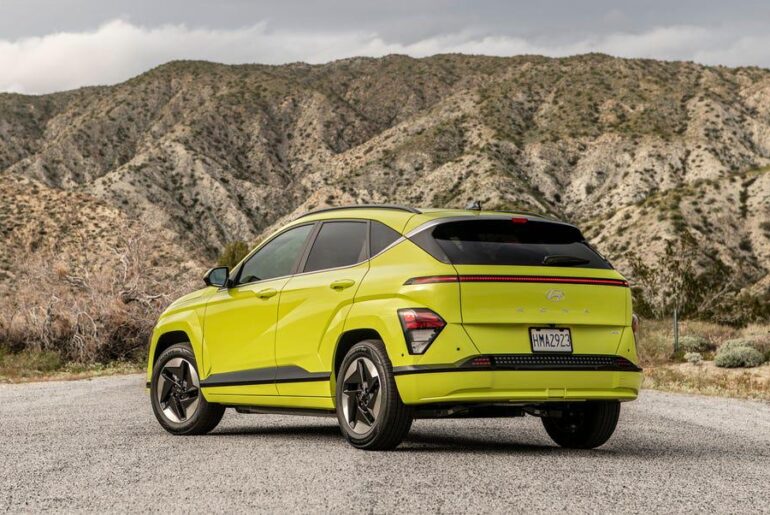
Image Credit: Jengtingchen – Own work, CC BY-SA 4.0, Wikimedia.
Under China’s new subsidy program, buyers trading in an old vehicle can receive up to 20,000 yuan (roughly $2,800), but the benefit now equals 12 percent of the new car’s price rather than a flat payout. For lower priced EVs, that translates into a sharp reduction.
Despite the slowdown, the scale of China’s EV industry remains unmatched. Chinese manufacturers delivered nearly 13 million EVs in 2025, accounting for roughly 70 percent of global sales in that segment. No other market comes close.
That dominance is exactly why the current downturn matters far beyond China’s borders.
With domestic growth slowing, Chinese automakers are accelerating their push overseas. BYD aims to increase international deliveries by nearly a quarter this year, targeting 1.3 million vehicles sold abroad. Xpeng plans to double overseas sales in 2026, betting that global markets can absorb the excess capacity building at home.
The takeaway for Americans is that incentives matter, and when they fade, even the world’s most aggressive EV market feels the impact. China’s experience now echoes what American buyers and automakers learned last year. The difference is scale. When China slows, the global EV industry feels it.
This story is based on reporting originally published by the South China Morning Post.