In an unusual move among the many Chicago suburbs that chose to retain their grocery tax in 2025, Wilmette will provide financial relief to lower-income residents by waiving its $80 fee for vehicle stickers.
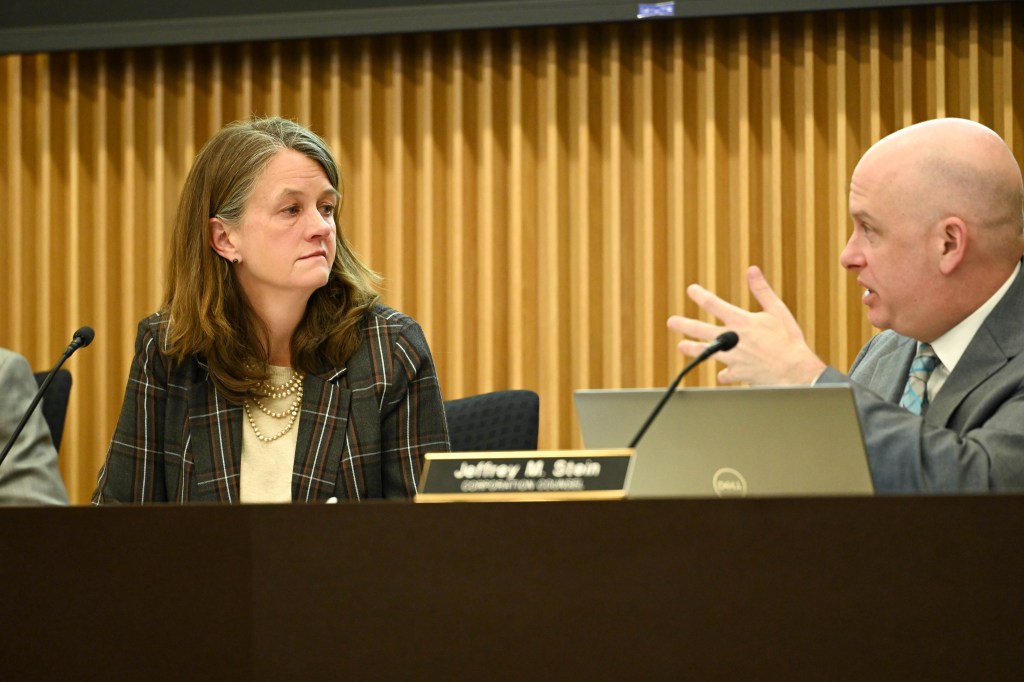
Later in the same Village Board meeting on Tuesday, Jan. 27, another issue that many suburbs have grappled with came up for discussion. Board members tangled over proposed restrictions on electric scooters and e-bikes, and they called for more public input before making their decision.
The idea to waive vehicle sticker fees arose in September 2025, when the Village Board chose to continue charging a 1% sales tax on groceries. That tax had been set to expire at the end of 2025.
Following a proposal by Gov. JB Pritzker, the state repealed its grocery tax — from which revenue had flowed to local municipalities — and so many city and village governments rushed to impose their own grocery taxes, effectively continuing the 1% tax.
Without the grocery tax, Illinois municipalities stood to lose a steady stream of revenue. However, the proposal to keep the grocery tax drew consternation from many Wilmette residents, leading to an extended debate on the dais. The Village Board ultimately voted 4-2 to approve the tax.
During the discussion, village trustees floated various ways to help low-income residents without losing the approximately $600,000 in revenue from the grocery tax every year. One idea called for a rebate on Wilmette’s vehicle sticker program, which the village requires of every vehicle registered in Illinois with a Wilmette address.
A proposal for waiving the vehicle sticker fee made it to the Village Board in January. On Jan. 27, the Village Board approved the plan as part of its consent agenda, meaning it passed without discussion.
“We didn’t just knee-jerk re-up the grocery tax,” Trustee Mike Lieber told Pioneer Press. “We took a long, hard look at it and had some tough discussions. Ultimately, we decided to keep it in place. But, recognizing that that was going to affect some folks, we decided, ‘Hey, let’s take a second look at places where we can make things a little easier for them.’”
Under the approved policy, residents enrolled in government assistance programs aimed at low-income Americans or receiving other similar benefits can have the fee for their annual vehicle stickers waived. Otherwise, a sticker for a regular passenger vehicle costs $80.
Examples of eligible Wilmette households include those who receive SNAP benefits, free or reduced school lunches, Supplemental Security Income or aid from any of several other welfare programs. Those living in subsidized housing may also claim a waiver.
The 2026 stickers will be available for sale on March 1.
Eligible residents will need to show proof of residency in subsidized housing or a benefits award letter or card from a government program. To apply, and for a full list of eligible programs, residents can visit Village Hall in downtown Wilmette. The village will also accept applications by mail and email.
A preliminary estimate predicted that the program would cost the village $51,040. Nonetheless, Trustee Gina Kennedy, who voted against the grocery tax in September, said the vehicle sticker plan will not fully make up for the strain the tax could cause.
“It still seems like a good thing to do,” Kennedy told Pioneer Press. “Because our vehicle stickers are very high. They’re the highest, I think, of any of the towns around us, and it would be a burden for people who’ve paid who are on food stamps or are otherwise economically disadvantaged. So it’s still a good idea, but I’m still upset about the grocery tax.”
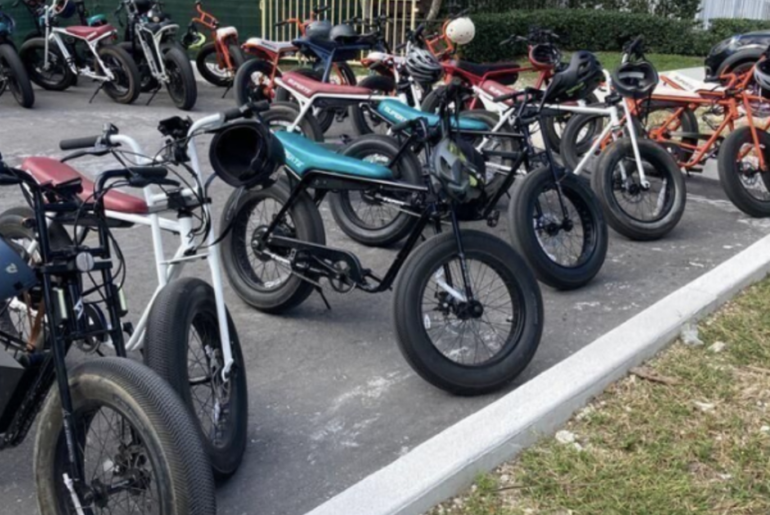
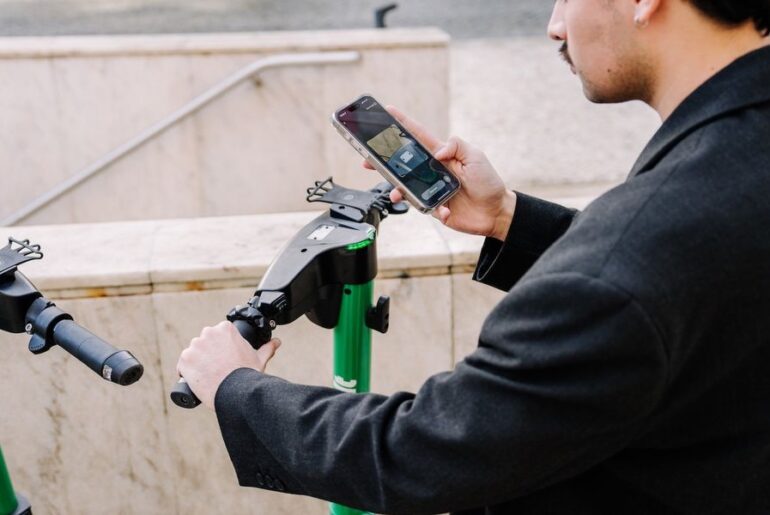
Meanwhile, the Village Board spent an hour dissecting proposed rules for riding e-bikes and e-scooters in Wilmette.
The recent proliferation of the electricity-boosted contraptions has elicited safety worries. By 2025, several Chicagoland suburbs had enacted a patchwork of rules, including age limits and even bans on the vehicles.
Wilmette’s proposed restrictions lean toward the less prohibitive. E-bikes and e-scooters that can move up to 10 mph will remain largely unrestricted. However, cyclists would have to be at least 16 years old to ride vehicles that can go up to 28 mph. They can still be ridden on most sidewalks with a speed limit of 10 mph.
Enforcement would focus on speeding and reckless behavior, which a village memo defined as disregarding safety or “behavior which results in a wheel becoming airborne.” In addition, Wilmette police could cite parents or guardians for allowing their children under 16 to ride a faster e-bike or e-scooter.
Some trustees saw the enforcement approach as reasonable and quibbled with the details, while others wanted Wilmette to go much further in its restrictions. Lieber, for example, argued against allowing e-bikes on bike paths.
“I think it’s really contradictory to what the bike paths were, are and always intended for,” he said. “They’re for people to be using human-powered bikes to go through nature, to go through the village on these separated things that separate them from vehicles that are going significantly faster.”
Trustee Steve Leonard pushed back against Lieber’s hard line on bike paths with a “more forgiving” approach that instead focuses on enforcing speed limits. The Board’s debate continued without resolution.
Village President Senta Plunkett said she would talk to neighboring villages about e-bike policy and wanted to hear more input from residents. Ultimately, Village Manager Michael Braiman said Wilmette could launch a survey and reach out to residents for more feedback.
The debate took place against the backdrop of a tangle of state policies. As the discussion wrapped up, Kennedy called for better state regulation of the motorized vehicles. But Plunkett warned that the state could settle on rules that make little sense.
“Careful what you wish for,” Plunkett said.