
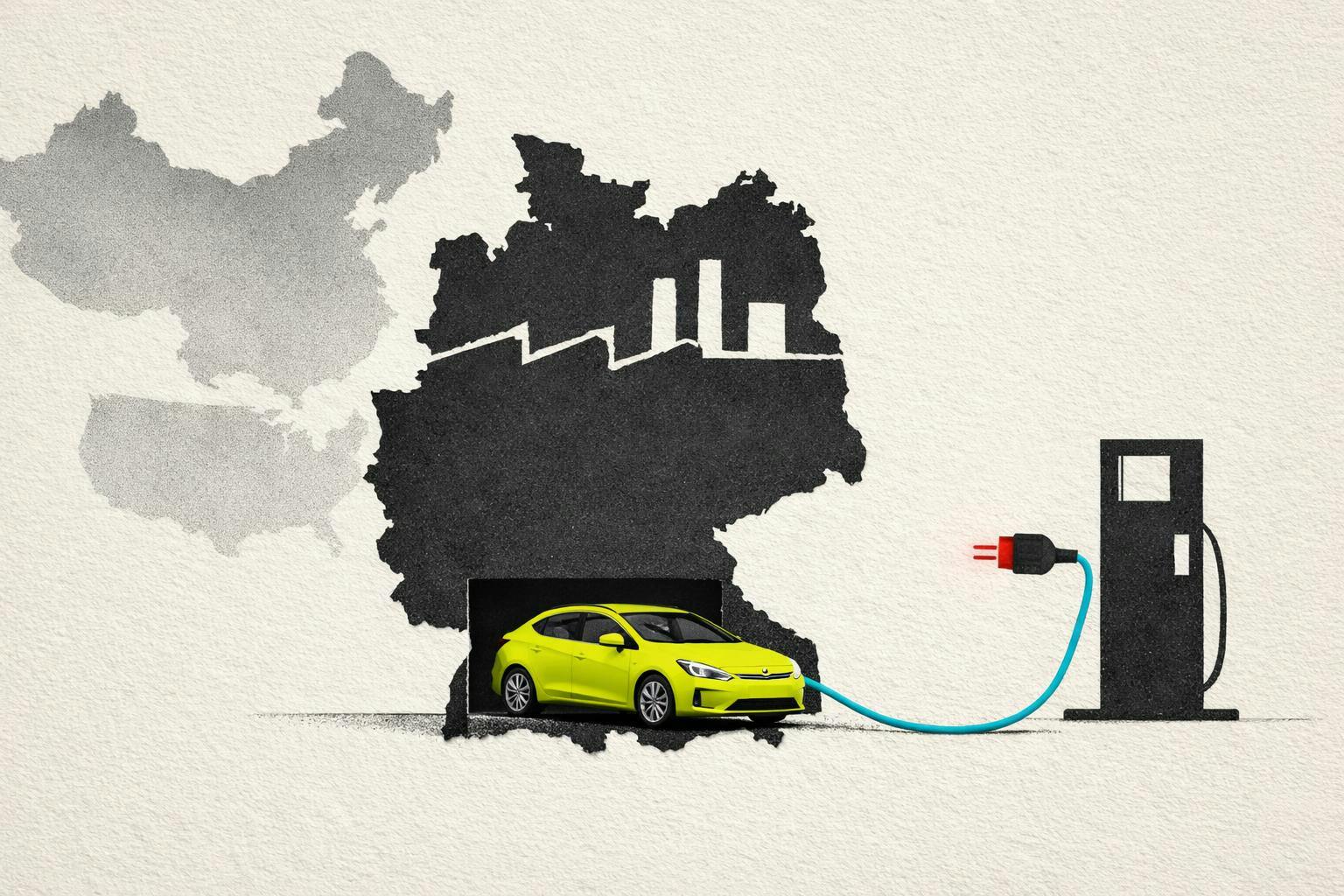
– a reminder that Europe remains a serious manufacturing base for electrification. The VDA’s Hildegard Mueller also flagged a constraint: without more charging points, faster grid expansion, and cheaper electricity, higher production won’t be easy to sustain in an energy-hungry industry.
Why should I care?
For markets: EV momentum now depends on infrastructure follow-through.
The VDA expects BEV production to rise another 10% in 2026, but automakers are hinting that charging access and power prices could decide where the next factories and battery lines go. That puts utilities, grid equipment, and charging operators in the spotlight – because their build-out helps determine whether rising output turns into steady sales across Europe’s EV supply chain.
The bigger picture: Incentives help but competitiveness is becoming about energy.
Subsidies can narrow the upfront affordability gap, yet Germany’s industry is arguing that the real edge comes from basics like plentiful chargers and low-cost electricity. With China producing at far greater scale, the contest is increasingly about industrial inputs – power, grids, and permitting speed – not just who designs the better car.

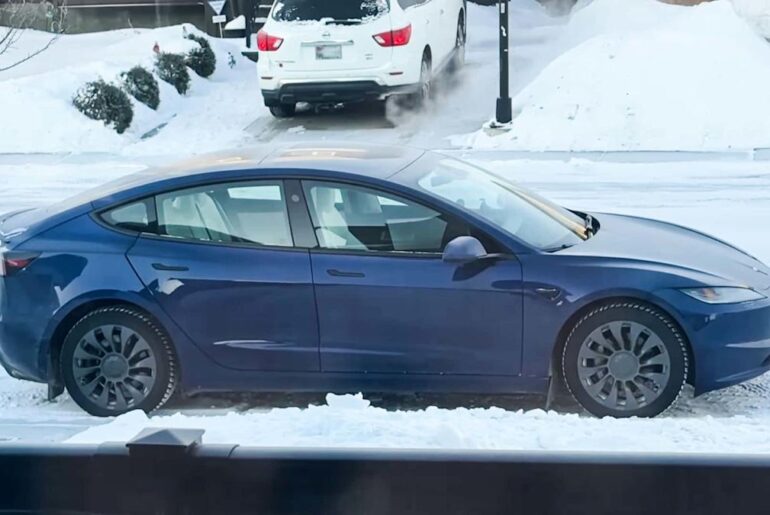
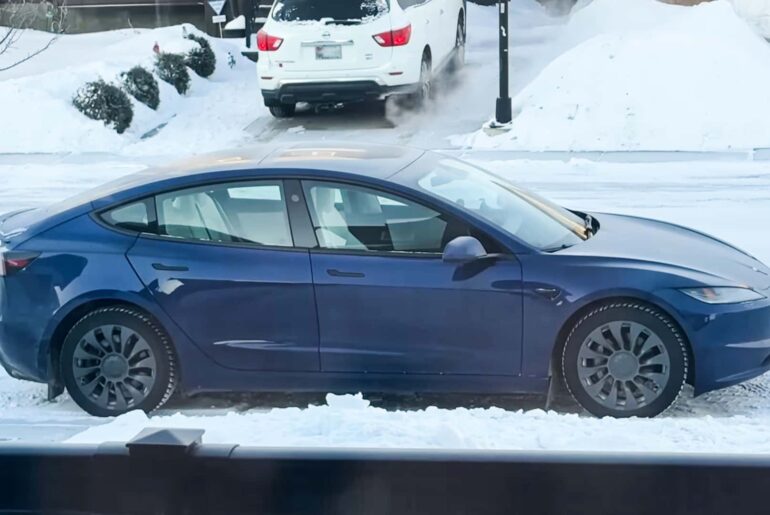
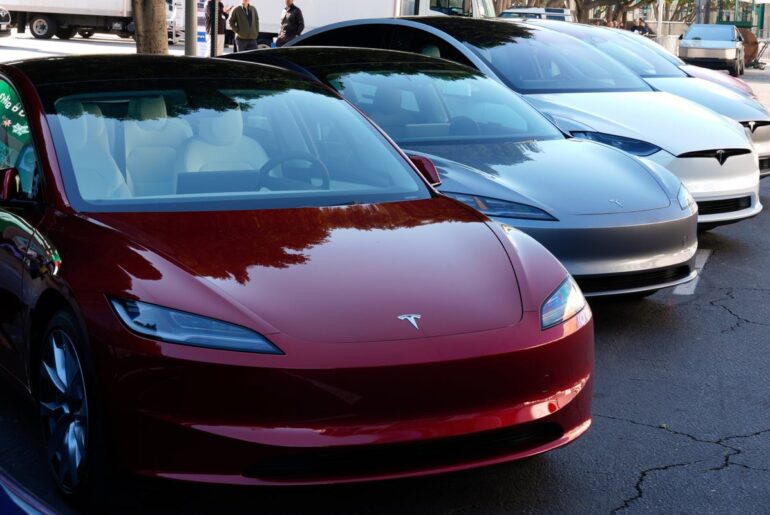
![A Tesla model 3 is pictured inside a showroom in Taipei, Taiwan on July 31. [REUTERS/YONHAP]](https://www.evshift.com/wp-content/uploads/2026/02/1770190118_a359974e-c601-4795-8714-58b8970d1150-770x515.jpg "Imported car sales jump 37.6 percent in January on strong EV demand")