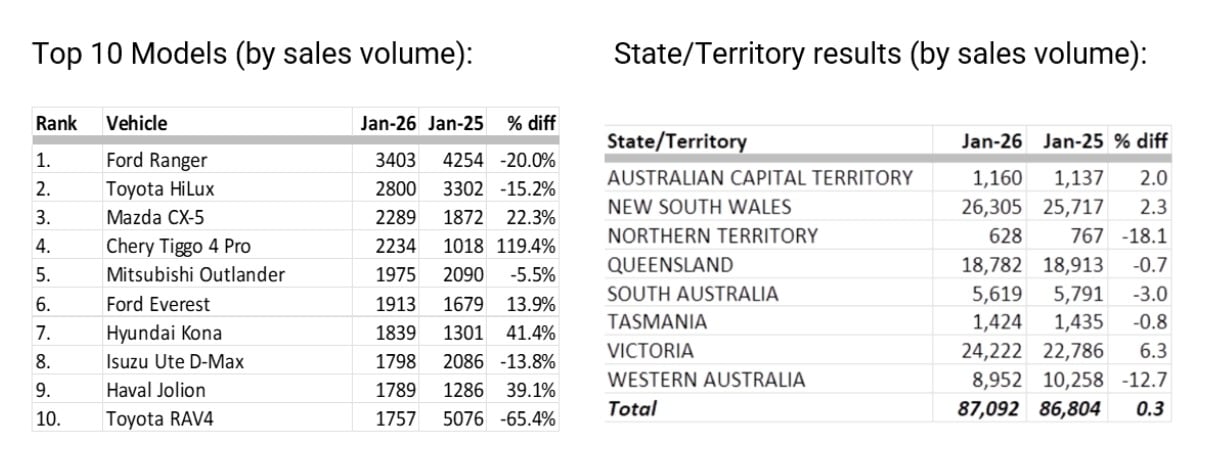
Australia’s new-vehicle market has opened 2026 on a steady footing, with January sales showing only modest movement compared with the same period last year. According to data released by the Federal Chamber of Automotive Industries (FCAI), a total of 87,092 new vehicles were sold during the month, up 0.3 per cent year on year.
The result suggests consumer demand remains resilient despite cost-of-living pressures, with buyers continuing to prioritise vehicles that suit everyday needs, whether for work, family or lifestyle use. FCAI chief executive Tony Weber said the figures point to a broadly stable market rather than any sharp upswing or downturn.
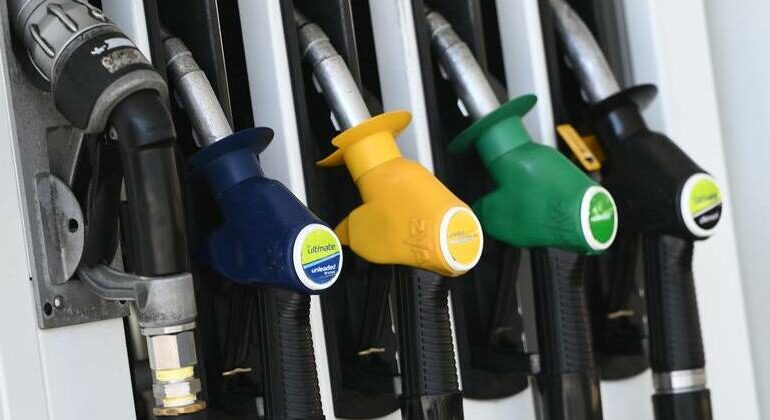
While overall volumes were largely unchanged, the make-up of the market continues to evolve. Petrol-powered vehicles recorded a 14 per cent decline in January, reinforcing a longer-term shift away from traditional internal combustion engines. In contrast, electrified vehicles continued to gain traction, led by a sharp increase in plug-in hybrid sales.
1
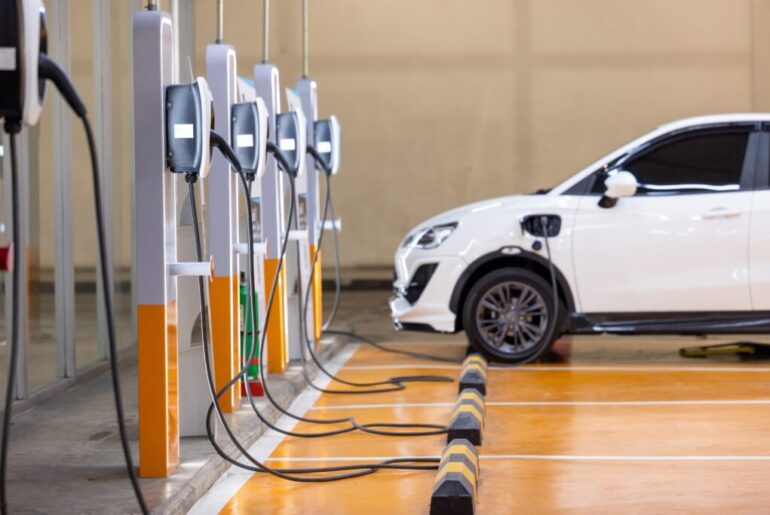
Plug-in hybrids accounted for 5161 sales in January, representing 5.9 per cent of the market and a year-on-year increase of more than 170 per cent. Conventional hybrids also maintained strong momentum, making up 17.4 per cent of total sales. Battery electric vehicles held a relatively steady share at 8.4 per cent, indicating growth has plateaued for now after rapid expansion in recent years.
Weber said the data shows buyer preferences are shifting gradually rather than dramatically. Petrol vehicles are losing ground, plug-in hybrids are accelerating quickly, and hybrids and electric vehicles are settling into a more stable pattern of uptake.
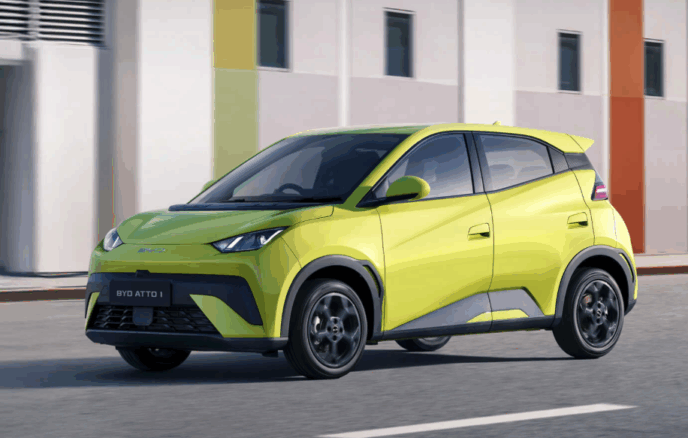
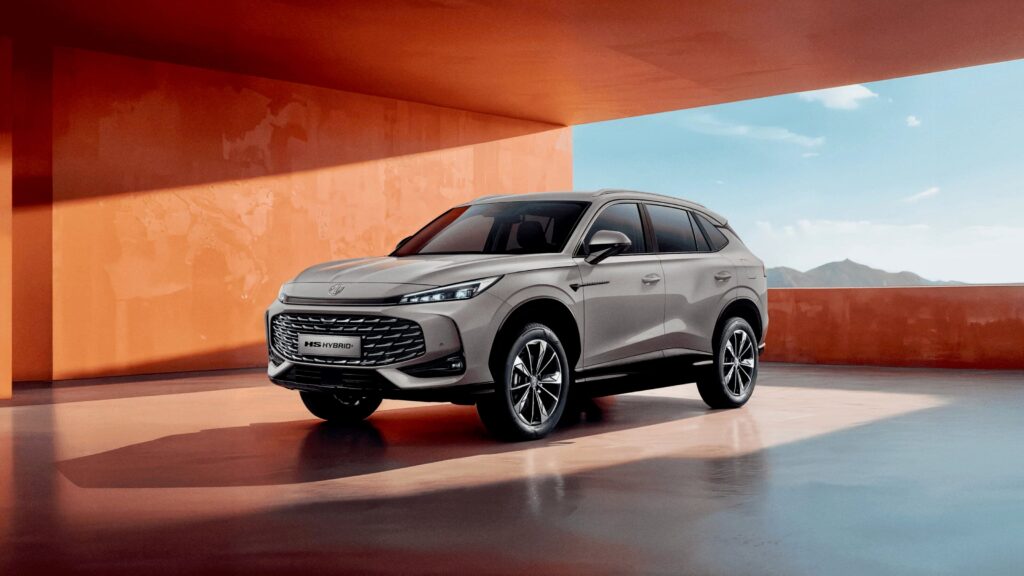
The figures also highlight the changing origins of vehicles sold in Australia. China has now firmly cemented its position as the second-largest source of new vehicles, behind Japan, with sales of Chinese-built models rising 68.6 per cent over the past year. The growth reflects increasing acceptance of Chinese brands, particularly in value-focused and electrified segments.
1
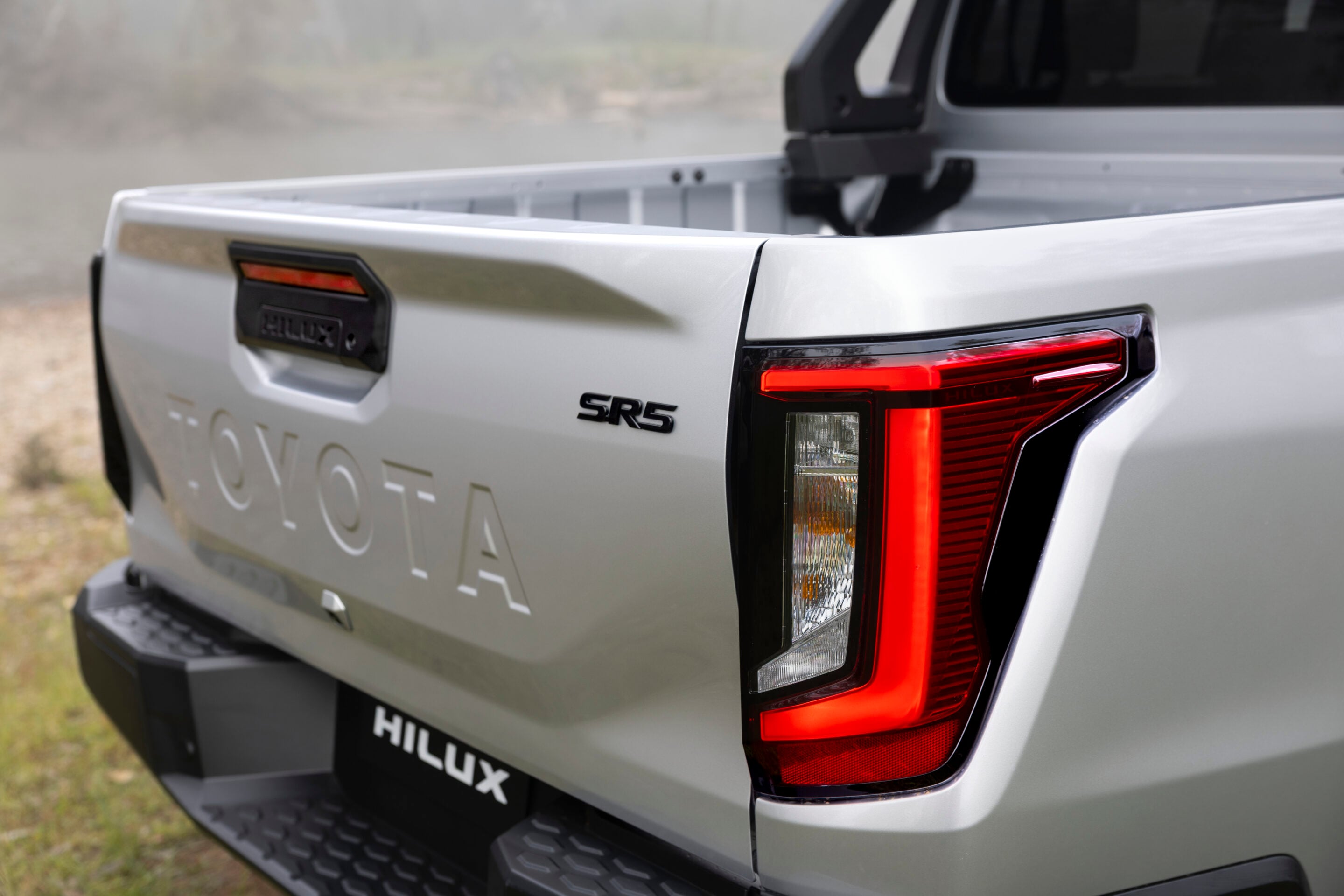
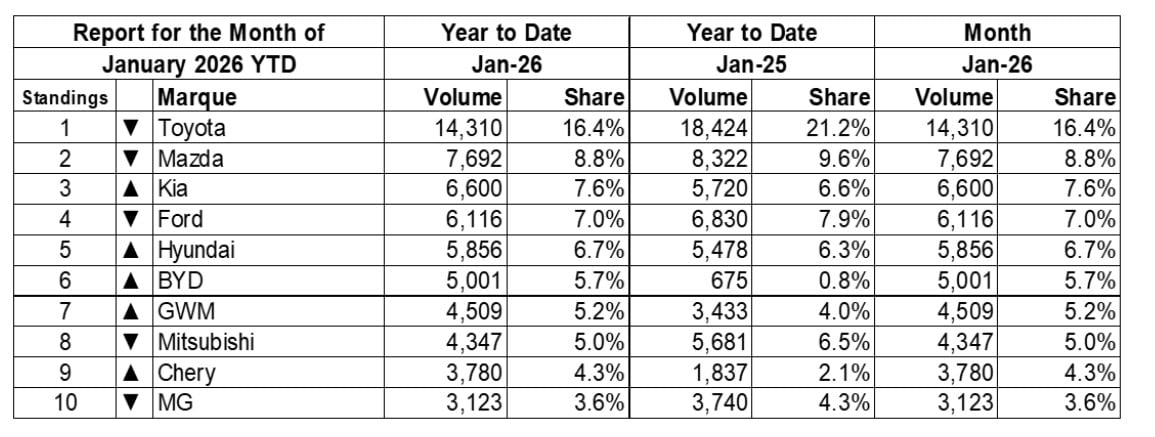
Toyota remained Australia’s top-selling brand in January with 14,310 vehicles delivered, followed by Mazda, Kia, Ford and Hyundai. The Ford Ranger once again led the model charts, ahead of the Toyota HiLux and Mazda CX-5. Chery’s Tiggo 4 Pro continued its strong run, finishing among the five best-selling vehicles, alongside the Mitsubishi Outlander.
Sales results varied across states and territories. Victoria and New South Wales recorded modest growth, while Queensland and South Australia edged lower. Western Australia and the Northern Territory saw more noticeable declines, underscoring how regional conditions continue to influence buying behaviour.
Overall, the January figures point to a market in transition rather than contraction, with electrified vehicles playing an increasingly important role in shaping Australia’s new-car landscape.
1

News
VFACTS 2025: The biggest winners (and losers) of the new car sales race
With new car sales data for 2025 just released, it’s time to look at the brands who did well (and those who didn’t)… and there are some surprising results.
January 9, 2026