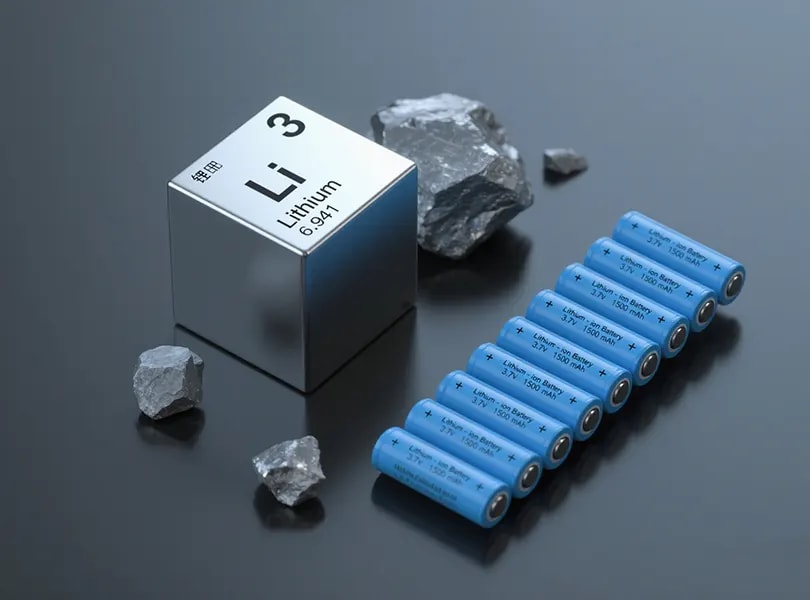
Rising demand for electric vehicles, renewable energy storage, and portable electronic devices is driving growth in the lithium-ion battery market. Advancements in energy density, charging efficiency, and battery management systems enhance performance and reliability. According to IMARC Group’s latest research publication, The global lithium-ion battery market size was valued at USD 53.96 Billion in 2024. Looking forward, IMARC Group estimates the market to reach USD 140.51 Billion by 2033, exhibiting a CAGR of 11.14% during 2025-2033
How AI is Reshaping the Future of Lithium-ion Battery Market
Accelerated Materials Discovery and Design: Machine learning analyzes vast datasets to predict material performance, cutting development time by up to 50%. AI identifies superior electrode combinations and electrolyte formulations faster than traditional trial-and-error methods.
Intelligent Manufacturing and Quality Control: Computer vision systems detect microscopic defects invisible to human inspectors during production. AI-driven process optimization fine-tunes temperature, pressure, and mixing parameters, boosting consistency while minimizing waste and operational costs.
Predictive Battery Management Systems: Real-time AI analytics monitor battery health, forecast failures, and optimize charging cycles. These smart systems extend battery lifespan by 20-30%, prevent overheating risks, and maximize performance in electric vehicles and grid storage.
Access the Latest 2026 Market Data & Forecasts
Lithium-ion Battery Industry Overview:
Global decarbonization targets are driving massive investments in battery infrastructure, with China accounting for 83% of global production capacity. The U.S. Inflation Reduction Act and European Battery Alliance are mobilizing billions to build domestic supply chains. In Europe alone, EUR 1 billion in grants supports manufacturing projects, while North American capacity doubled since 2022 to 200 GWh, with another 700 GWh under construction targeting 2030.
Lithium-ion Battery Market Trends & Drivers:
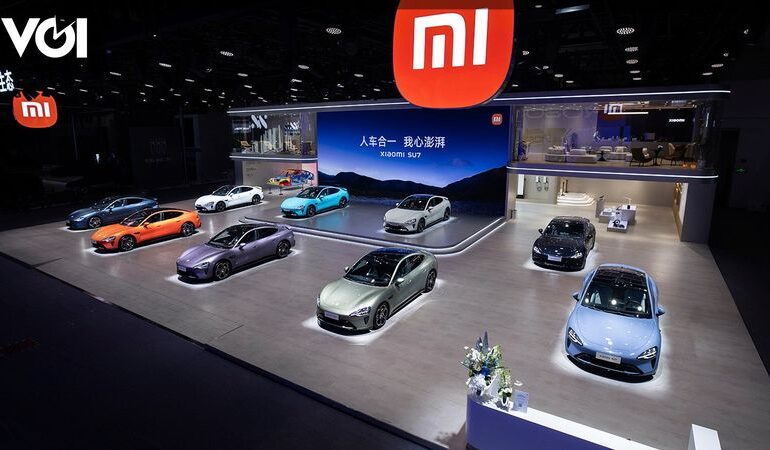
Electric vehicle adoption is reshaping battery demand worldwide, with sales reaching over 14 million units globally. China leads with 60% of new EV registrations, while the U.S. saw 91% smartphone ownership driving portable electronics demand. Government incentives accelerate adoption—the IRA provides production tax credits for minerals and manufacturing, while Europe’s Green Deal commits EUR 3 billion through public-private partnerships. Major automakers like Ford, GM, and Toyota are securing long-term battery supply agreements, with LG Energy Solution partnering to deliver American-made batteries. CATL works with over 200 automakers globally and holds 48% of the LFP market by installed capacity.
Energy storage infrastructure is expanding rapidly to support renewable integration and grid stability. Battery energy storage installations reached 27.5 GWh across Asia Pacific, with 63 GWh projected by 2027. Smart city initiatives in India and data center growth are creating new demand channels—behind-the-meter storage expects 7x growth from 2024 to 2030, while data center applications could expand 30x. The global LFP market alone is projected to reach USD 160.30 billion by 2030 from USD 82.57 billion today. Companies are developing ultra-fast charging solutions, with CALB’s 800V battery charging from 20% to 80% in just 10 minutes, addressing range anxiety concerns.
Technology breakthroughs and cost reductions are accelerating market penetration across applications. Battery costs dropped from over USD 140 per kWh to below USD 100 per kWh, with projections reaching USD 50-60 by 2030 through AI optimization and manufacturing improvements. Solid-state batteries promise 500 Wh/kg energy density—double current lithium-ion performance—with Samsung SDI and Nissan targeting 2027-2030 commercial launches. Recycling innovations achieve 50-60% material recovery rates, improving to 80-90% with advanced AI-driven processes. Sustainable packaging solutions reduce carbon footprints by 30%, while silicon anode developments increase energy density by 10x compared to graphite, extending EV ranges toward 600-800 kilometers per charge.
Leading Companies Operating in the Global Lithium-ion Battery Industry:
A123 Systems LLC AESC SDI CO., LTD. LG Chem Ltd. Panasonic Corporation SAMSUNG SDI CO., LTD. Toshiba Corporation Amperex Technology Limited BAK Group Blue Energy Limited BYD Company Ltd. CBAK Energy Technology, Inc. Tianjin Lishen Battery Joint-Stock CO., LTD. Valence Technology, Inc. SK Innovation Co., Ltd Hitachi, Ltd.
Lithium-ion Battery Market Report Segmentation:
By Product Type:
Lithium Cobalt Oxide Lithium Iron Phosphate Lithium Nickel Manganese Cobalt Lithium Manganese Oxide
Others (Lithium Nickel Cobalt Aluminium Oxide and Lithium Titanate Oxide)
Lithium cobalt oxide represents the largest segment, holding around 37.8% market share due to widespread use in consumer electronics requiring high energy density.
By Power Capacity:
0 to 3000mAh 3000mAh to 10000mAh 10000mAh to 60000mAh More Than 60000mAh
The 3000mAh to 10000mAh segment leads with approximately 33.8% market share, driven by demand for smartphones, tablets, wearables, and portable devices.
By Application:
Consumer Electronics Electric Vehicles Energy Storage Others
Electric vehicles dominate with around 58.5% market share, fueled by global emission regulations and automaker electrification commitments.
Regional Insights:
North America (United States, Canada) Asia Pacific (China, Japan, India, South Korea, Australia, Indonesia, Others) Europe (Germany, France, United Kingdom, Italy, Spain, Russia, Others) Latin America (Brazil, Mexico, Others) Middle East and Africa
Asia Pacific exhibits clear dominance in the lithium-ion battery market, accounting for over 40.5% market share due to manufacturing leadership and strong government support.
Recent News and Developments in Lithium-ion Battery Market
January 2025: BatX Energies opened India’s first Critical Minerals Extraction unit (HUB-1) in Uttar Pradesh, extracting lithium, nickel, manganese, and cobalt from spent batteries, strengthening domestic recycling infrastructure. December 2024: Re-New-Able Technologies partnered with Redivivus to establish Illinois’s first lithium-ion battery recycling plant, advancing the state’s clean energy sector and circular economy capabilities. November 2024: CATL unveiled a second-generation sodium-ion battery with 200Wh/kg energy density, scheduled for 2025 launch, expanding affordable battery chemistry options beyond lithium-ion. October 2024: Getsun Power introduced innovative lithium-ion battery storage systems for residential and commercial applications at India Expo Mart, addressing growing distributed energy storage demand. August 2024: Tata Motors formed a strategic alliance with Octillion Power Systems to source batteries for electric vehicles, marking Tata’s first external battery supplier partnership for the Curvv coupe SUV. May 2024: JSW Group announced plans for a 60,000-ton lithium-ion refinery and cell production facility in Paradip, Odisha, with USD 5.3 billion investment and Chinese technology partnership targeting India’s growing EV market. April 2024: Exide Energy Solutions partnered with Hyundai and Kia to produce EV batteries in India using lithium iron phosphate cells, supporting India’s carbon neutrality goals and local manufacturing initiatives.
Note: If you require specific details, data, or insights that are not currently included in the scope of this report, we are happy to accommodate your request. As part of our customization service, we will gather and provide the additional information you need, tailored to your specific requirements. Please let us know your exact needs, and we will ensure the report is updated accordingly to meet your expectations.