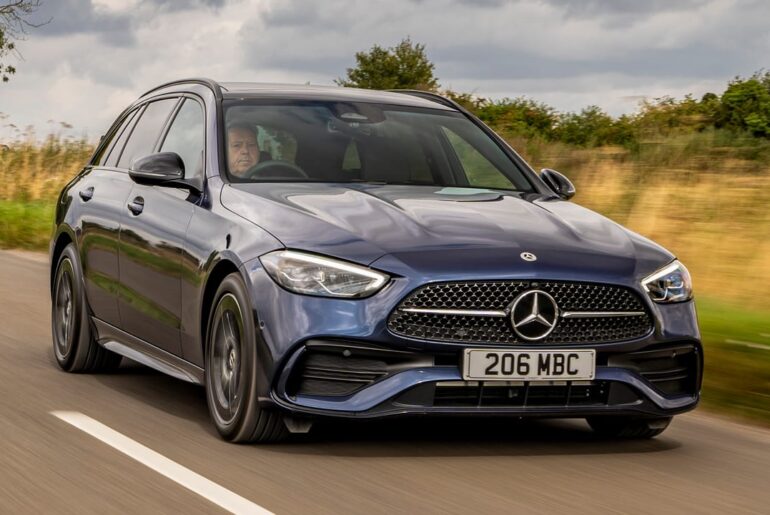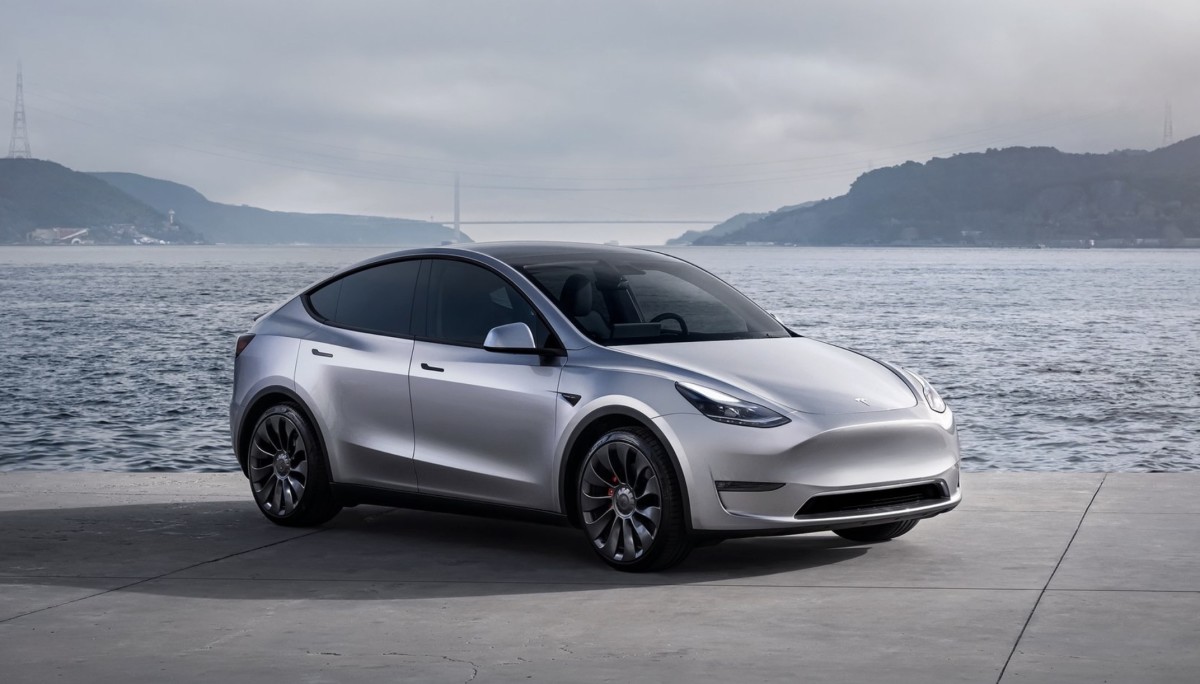
The budget EV segment has grown in recent months, thanks to new versions of the Nissan Leaf and Chevrolet Bolt. However, there are still too few affordable new EV options in the United States, and none in the sub-$25,000 category. But if you’re not hellbent on buying new, acquiring a used EV may be one of the most financially-savvy decisions you can make. Not only do EVs depreciate dramatically in the first few years, but a new study from the University of Michigan shows that the average lifetime savings of buying an EV are far greater than equivalent gas models. Here’s a closer look.
How Much Can You Save?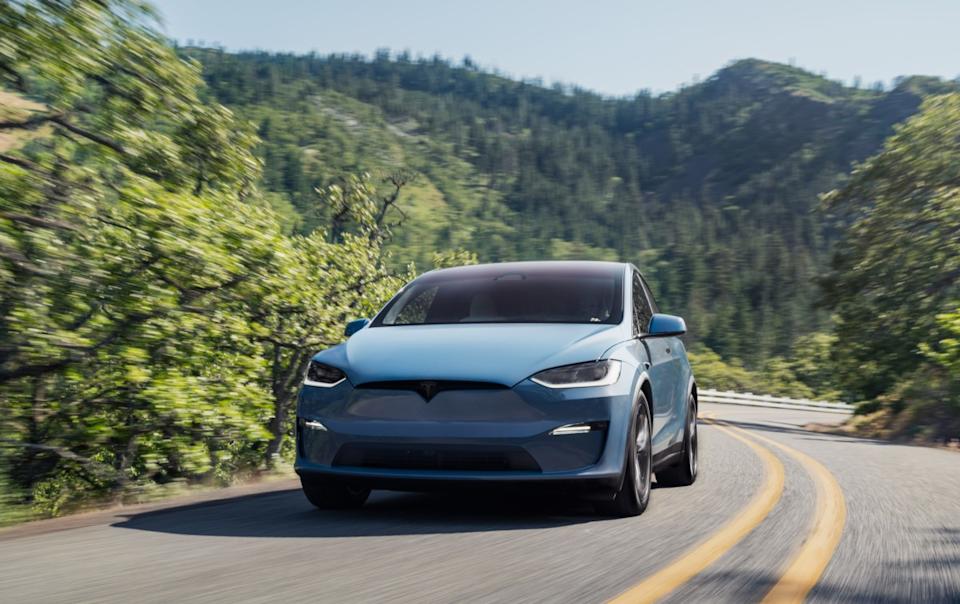
Tesla Model XTesla (Tesla)
The study calculated the total cost of ownership (TCO) savings for used gas, hybrid, plug-in hybrid, and fully electric vehicles. It took into account 17 different U.S. cities, five vehicle classes, and five unique charging strategies. It also analyzed 260,000 used vehicle listings, collected between January and December 2024.
Based on this methodology, total savings for a used, three-year-old electric midsize SUV are $13,000. By comparison, the TCO savings were only $3,000 for a gas version and $1,000 for hybrids and PHEVs. These numbers assume an ownership period of seven years.
Examples of vehicles in the midsize electric SUV segment include the Honda Prologue and Chevrolet Blazer EV.
Here are other key findings from the study:
EVs have lowest TCO across all vehicle classes for used vehicles
Three-year-old midsize electric SUV has $4,600 lower combined maintenance/repair costs than equivalent ICE SUV
TCO varies significantly from city to city; Cleveland is least expensive for all powertrains while San Francisco is most expensive for EVs
For the purposes of this study, researchers used a base case of a 50-mile range PHEV and 300-mile range EV. Crucially, if an EV battery replacement is required just after the warranty expires, the used EV’s TCO moves from the lowest in all vehicle classes to the highest.
Related: Hybrid, Plug-In Hybrid, or EV? How to Decide Before You Buy
Why Used EVs Can Be Smart Buys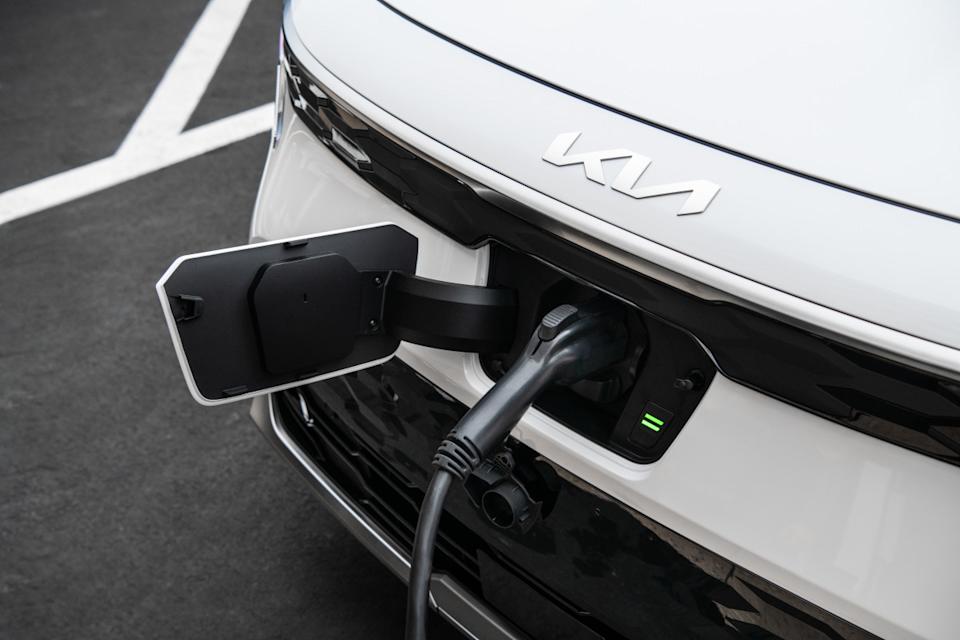
Kia Niro EV charging portKia (Kia)
There are a few reasons for EVs making excellent used buys. EV depreciation is steep, with some models losing over 60% of their value in the first five years. By buying used, you can benefit significantly from this dramatic depreciation curve. After the first few years, EV depreciation aligns more closely with gas-powered vehicles.
EVs benefit from lower general operating costs, when taking into account fueling/charging, maintenance, and repairs. However, upfront costs are higher, including the cost of installing a home charger.
If you’re worried about battery longevity, there’s even good news on that front. A 2025 study from telematics firm Geotab shows that EV battery packs degrade by only 1.8% per year, on average. Even after two decades, a modern EV is expected to retain around 64% of its original battery capacity, on average. Considering that the Michigan study on used EVs assumes you will only keep the car until the 10-year mark, you would still be in a very usable range for battery capacity.
Related: EV Batteries Can Easily Outlast A Gas Car’s Lifespan, Study Finds
The Variables Matter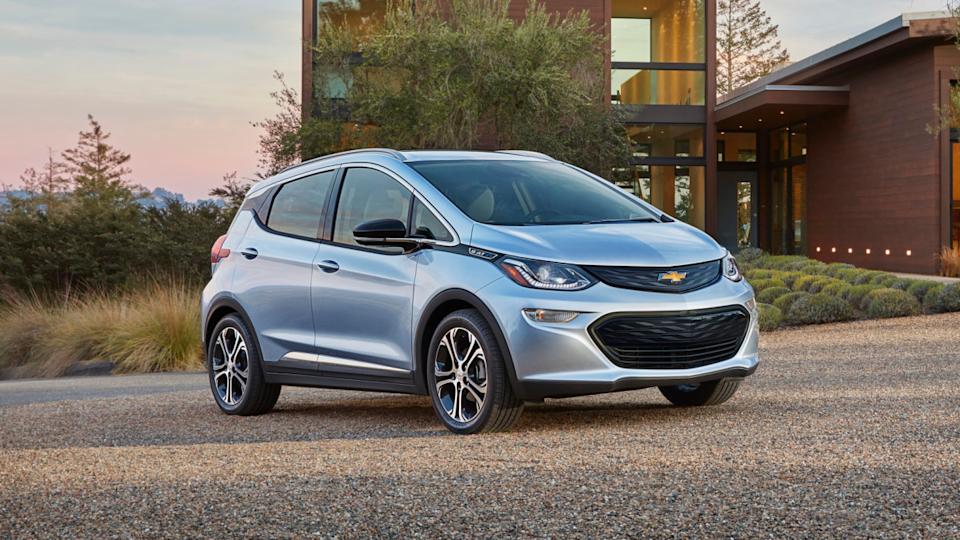
2017 Chevrolet Bolt EV
If you’re considering a used car and want to keep your costs down, an EV can be a much smarter overall bet than a gas car. But a final decision can only be made once you consider all the variables unique to your situation, such as:
The remaining warranty period
The price of electricity in your area
The rate of depreciation of the EV you’re interested in
Using the midsize SUV as an example, $13,000 in savings is significant, and you can still sell this EV with a decent chunk of its original battery capacity remaining. You can also avoid many of the maintenance and repair tasks that impact older gas cars, such as timing belt replacements and transmission fluid flushes.
With the average cost of a new EV nearing $60,000 in recent months, the used market presents opportunities to save a lot of money for savvy consumers.
This story was originally published by Autoblog on Feb 2, 2026, where it first appeared in the Car Buying section. Add Autoblog as a Preferred Source by clicking here.