Measure a car’s importance by how disruptive it’s been in the automotive world, and the Tesla Model S must come out towards the top of your list, whether you love it or hate it. You have to agree that Tesla hit all the right notes with its electric luxury sedan in disrupting the status quo and reshaping how entire sections of the industry would follow.
In fact, you’ll struggle to name many other production cars that have had so much effect on vehicle engineering updates, sales processes, and value propositions. Here, Tesla was able to challenge almost every assumption that many in the modern auto industry had relied on for decades.
Clearly, the Model S did not introduce the concept of electric vehicles to the mainstream, but it certainly pivoted the conversation. Most EVs up until that point were small and utilitarian or transitional hybrids that seemed to be more of a steppingstone rather than a destination in itself. But Tesla took a different route, by launching its Model S as a desirable, high-performance, and, crucially, long-range luxury sedan.
The company used an entirely different marketing and production approach with a car that improved after you bought it and evolved without time-consuming visits to a dealership. Software was the primary product, with hardware as the platform, and with its approach, Tesla delivered one of the most consequential vehicles in modern automotive history.
The Tesla Model S Changed The Modern Car Industry
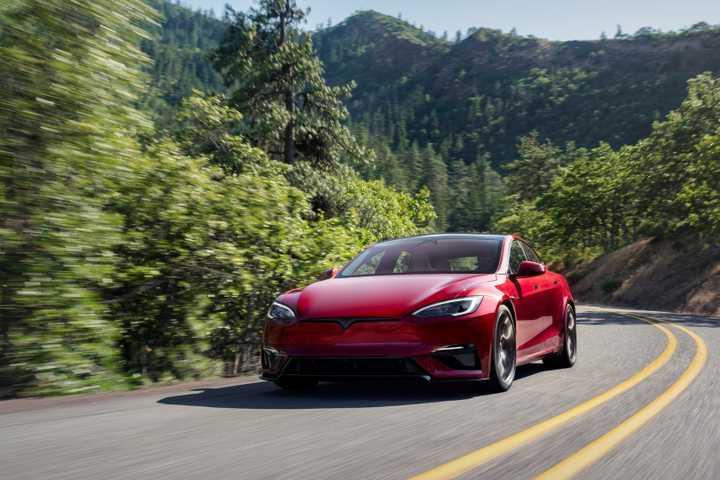
2026 Tesla Model S front quarterTesla

Base Trim Engine
EV
Base Trim Transmission
Automatic
Base Trim Drivetrain
All-Wheel Drive
Base Trim Horsepower
670 HP
Base Trim Battery Type
Lithium ion battery
Infotainment & Features
8 /10


Find 2026 Tesla Model S and more cars for sale on our Marketplace

2026 Tesla Model S (base model)
Motor
Permanent-magnet synchronous motors (one front, one rear)
Transmission
Single-speed fixed reduction gear
Drivetrain
All-wheel drive
Power
~670 hp combined
Torque
~660-700 lb-ft (est)
Back in the early 2010s, people tended to look at electric vehicles with suspicion. Those folk were worried about range and struggled to find places to charge these cars, and most manufacturers, truth be told, were similarly hesitant. Those companies often felt that if you did promote an EV, you’d need to major on its efficiency and environmental responsibility, instead of trying to sell it on either desire or performance.
And against that backdrop, the market was ripe for disruption, which is exactly what Tesla did when it introduced its Model S. Right out of the box, the car came with an EPA-rated range of 265 miles in its 85-kWh configuration, and all of a sudden, electric vehicles became practical. You could realistically replace a gas-powered car as your primary mode of transportation without compromising your lifestyle.
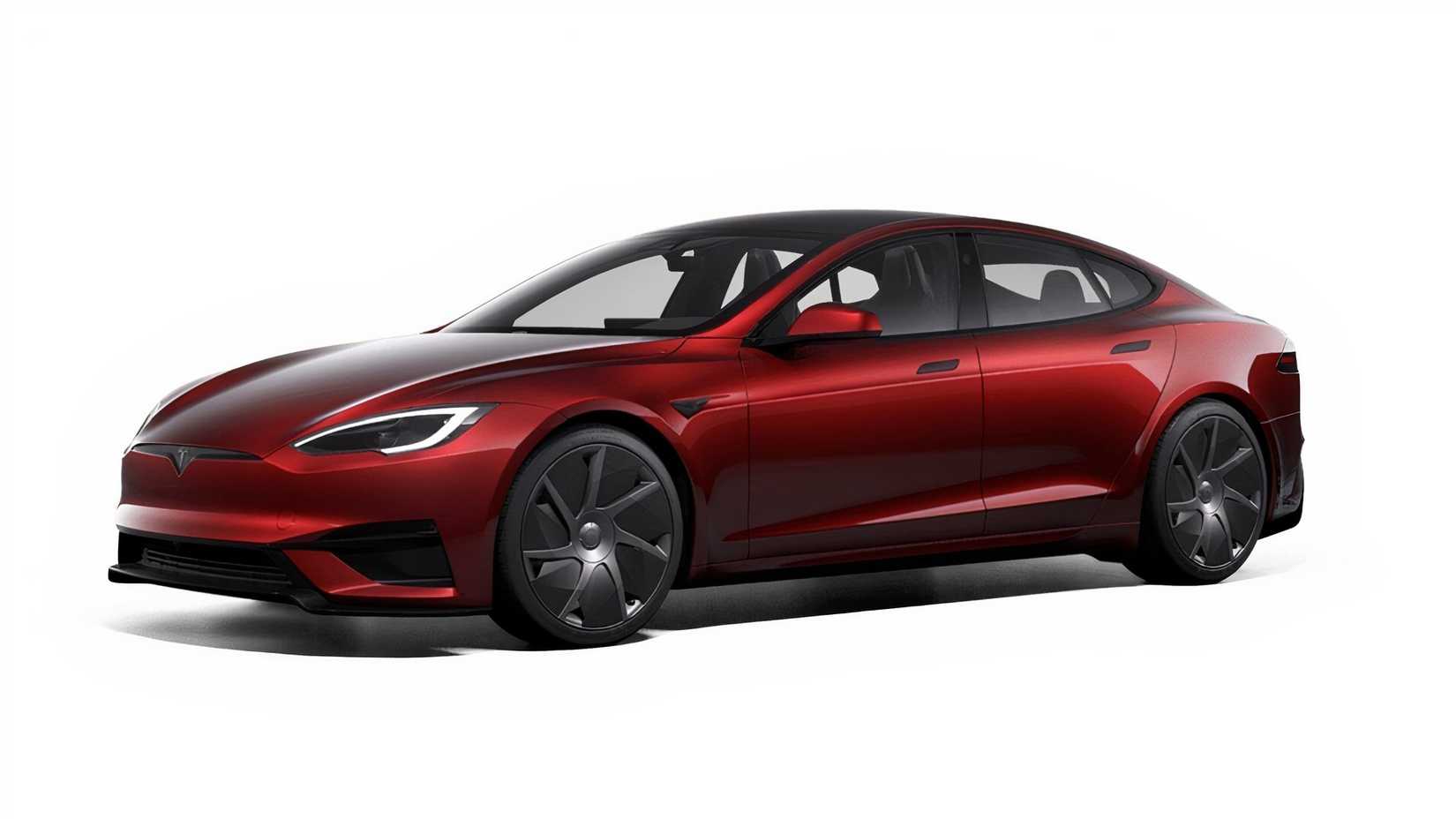
2026 Tesla Model S Plaid Ultra RedTesla
The Model S was also quite satisfying to drive, and it actually handled like the large luxury sedan it was meant to be. Tesla had placed the heavy batteries low down with a skateboard-style layout to give it good handling characteristics, and you’d also get a surprising amount of instant electric torque.
As the company rolled out higher output variants, those acceleration figures became so eye-opening that you could place a car like this alongside some of the more established sports sedans. And unlike many of those rivals, a driver could access Model S performance easily and repeatedly with minimal drama.
Legacy automakers sat up and took notice immediately, and in boardrooms around the world they started to plot a reply. In the Model S, they could now see that electric propulsion wasn’t something they should quietly explore within experimental sub-brands or as compliance cars, but something that could even give them a competitive advantage. The Model S had shifted the conversation away from regulatory necessities and ethical choices towards aspirational products, making other manufacturers invest quickly and publicly commit to electric futures, often long before they were really ready.
The Technology That Rewrote The Rules Of Car Ownership
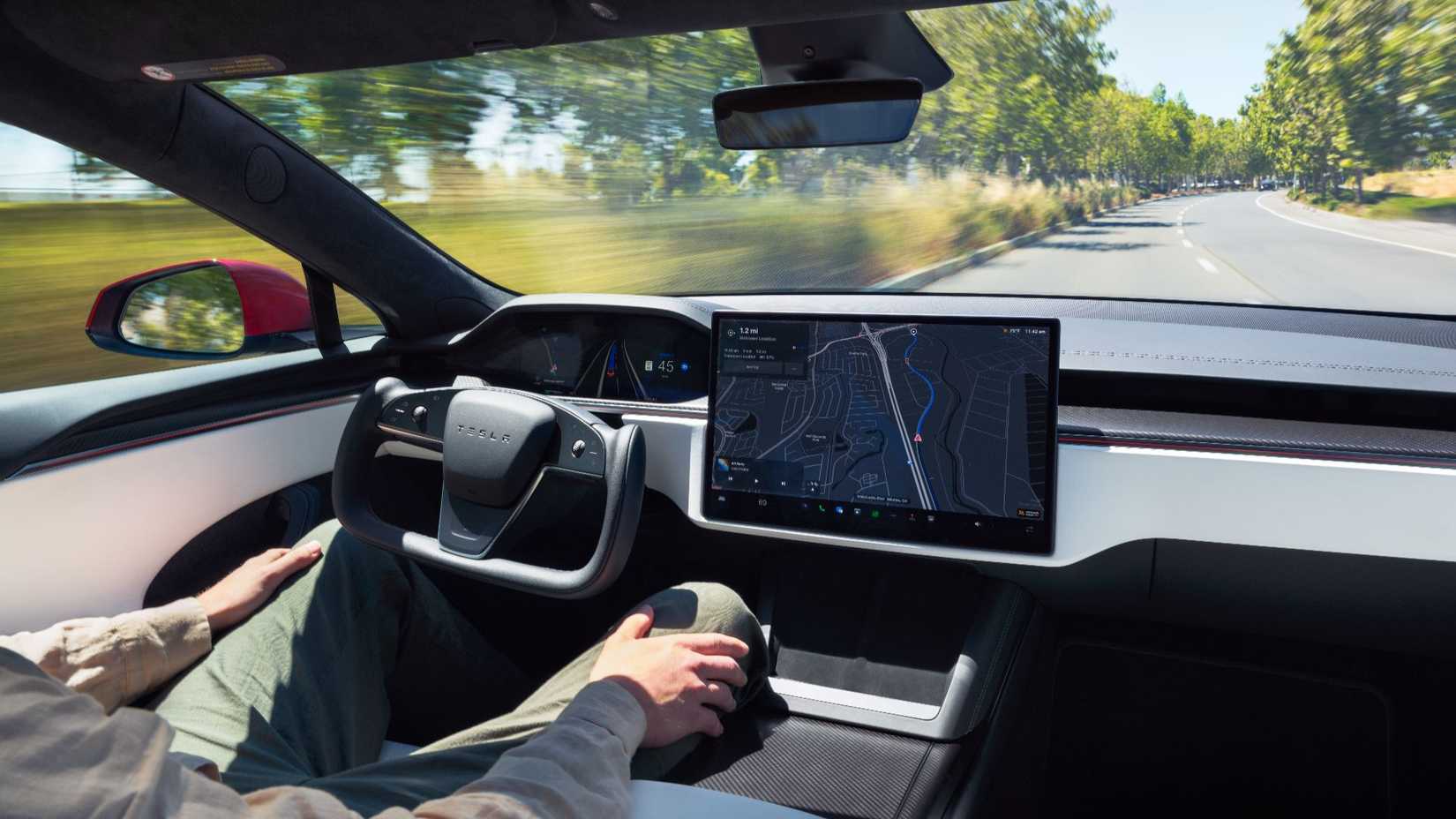
2026 Tesla Model S interiorTesla
The Tesla Model S certainly scored in terms of range and performance, but perhaps its most significant contribution to the story comes in the form of its software. Now you could get over-the-air updates at scale, so owners could change the capabilities of their car rather than having to deal with a fixed factory-set state.
Some of these software updates arrived in the background and often overnight, delivering refinements, new features, efficiency gains, and even outright performance improvements. Owners were often surprised to find that they now had upgraded navigation systems without a visit to a dealer or could enjoy an unexpectedly brand-new user interface.
Tesla often optimized the car’s energy management system long after delivery, and in some cases, the vehicle actually became objectively quicker or more efficient simply due to those software patches.
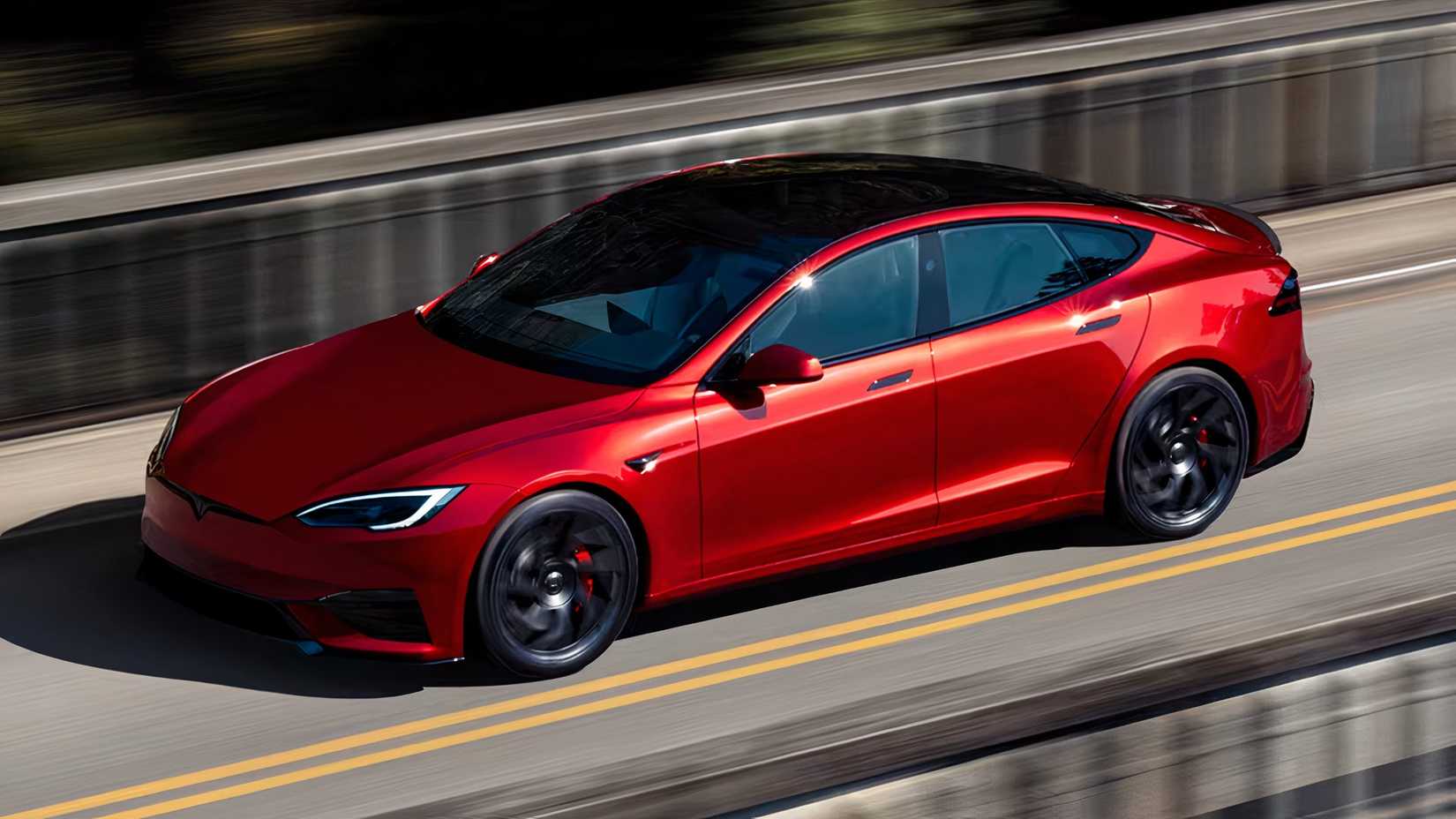
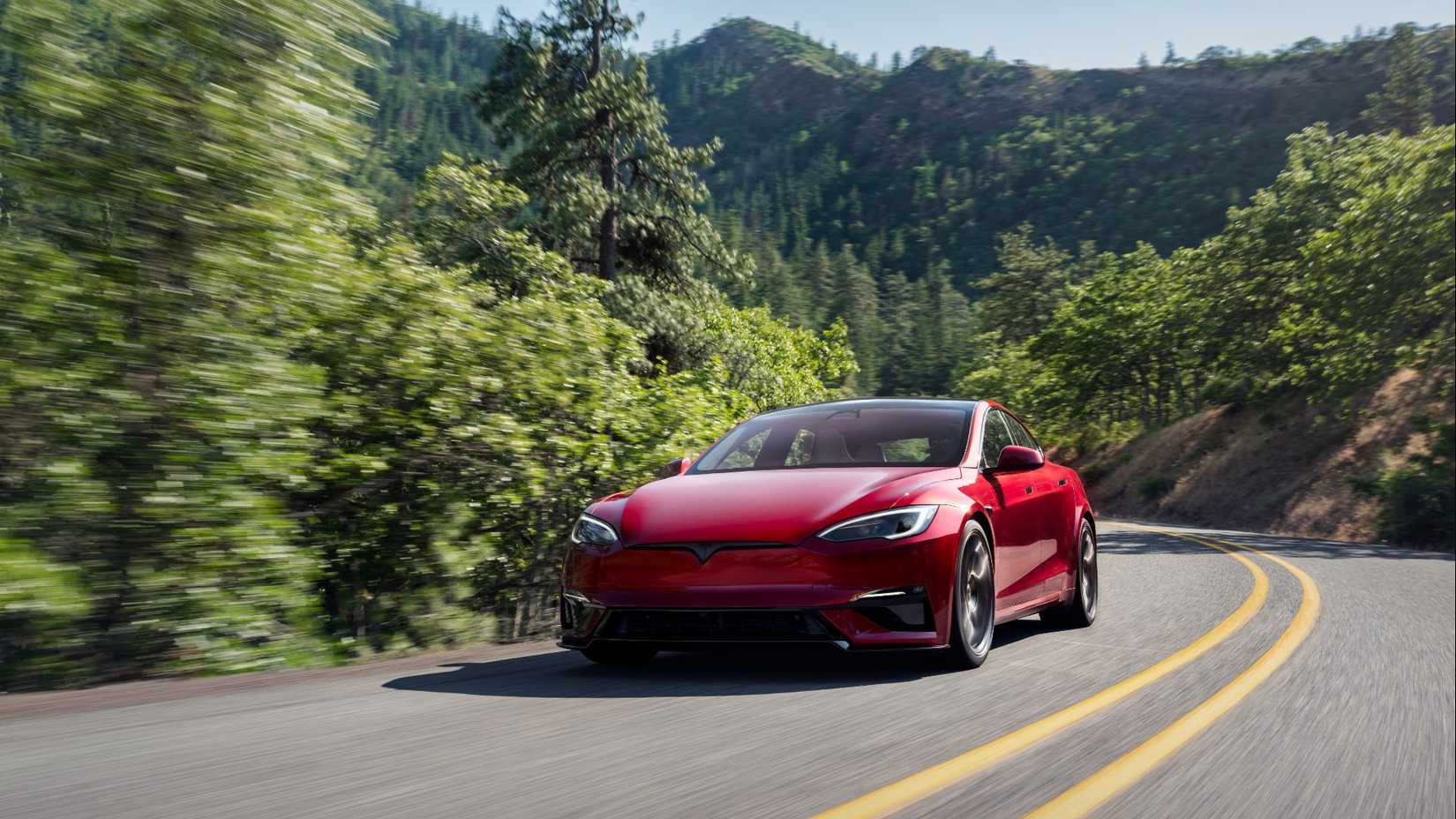
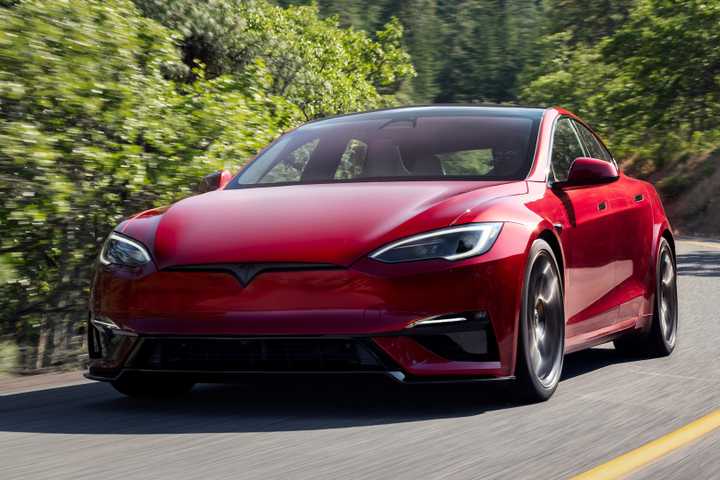
2026 Tesla Model S driving front 3/4 in redTesla
It’s hard to appreciate just how seismic these changes were in the mass-market automotive world. After all, a car like the Model S was no longer just a static asset that basically declined or depreciated as soon as you took ownership. Instead, it was now more of a living product and closer in philosophy to a smartphone than a traditional appliance.
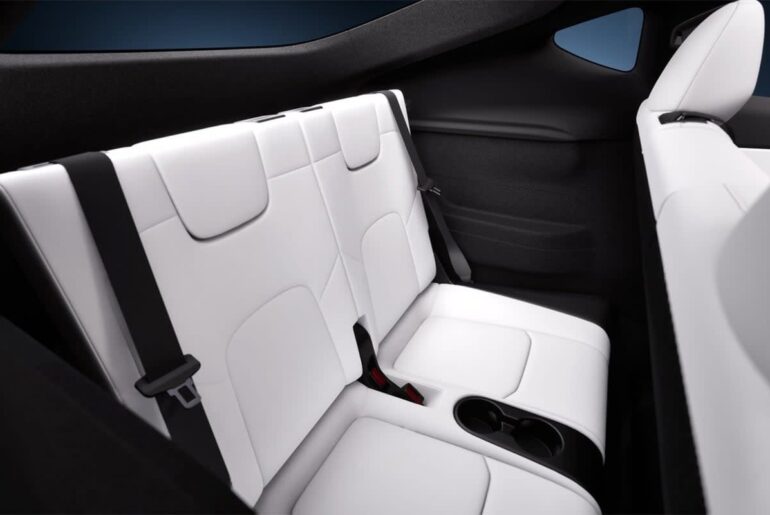
Tesla reinforced its novel approach with its interior design, as instead of dozens of physical buttons or switches, you now had a massive central touchscreen. All the vehicle controls were now within a software-defined interface and while it may have looked neat and tidy, it certainly proved controversial. However, today, digital dashboards, central infotainment systems, and configurable displays are everywhere across the industry. And manufacturers no longer look at this as excess minimalism as they often adopt the principle entirely.
In later years, the National Highway Traffic Safety Administration would acknowledge that certain compliance updates or recalls could take place remotely due to this type of software-first architecture. And that this could fundamentally alter how manufacturers dealt with safety issues or, indeed, how quickly they could deploy any fixes as needed. The Model S debuted this technology for mainstream use and changed the entire concept of vehicle ownership in doing so.
The Model S Redefined Performance And Collapsed The Horsepower Hierarchy
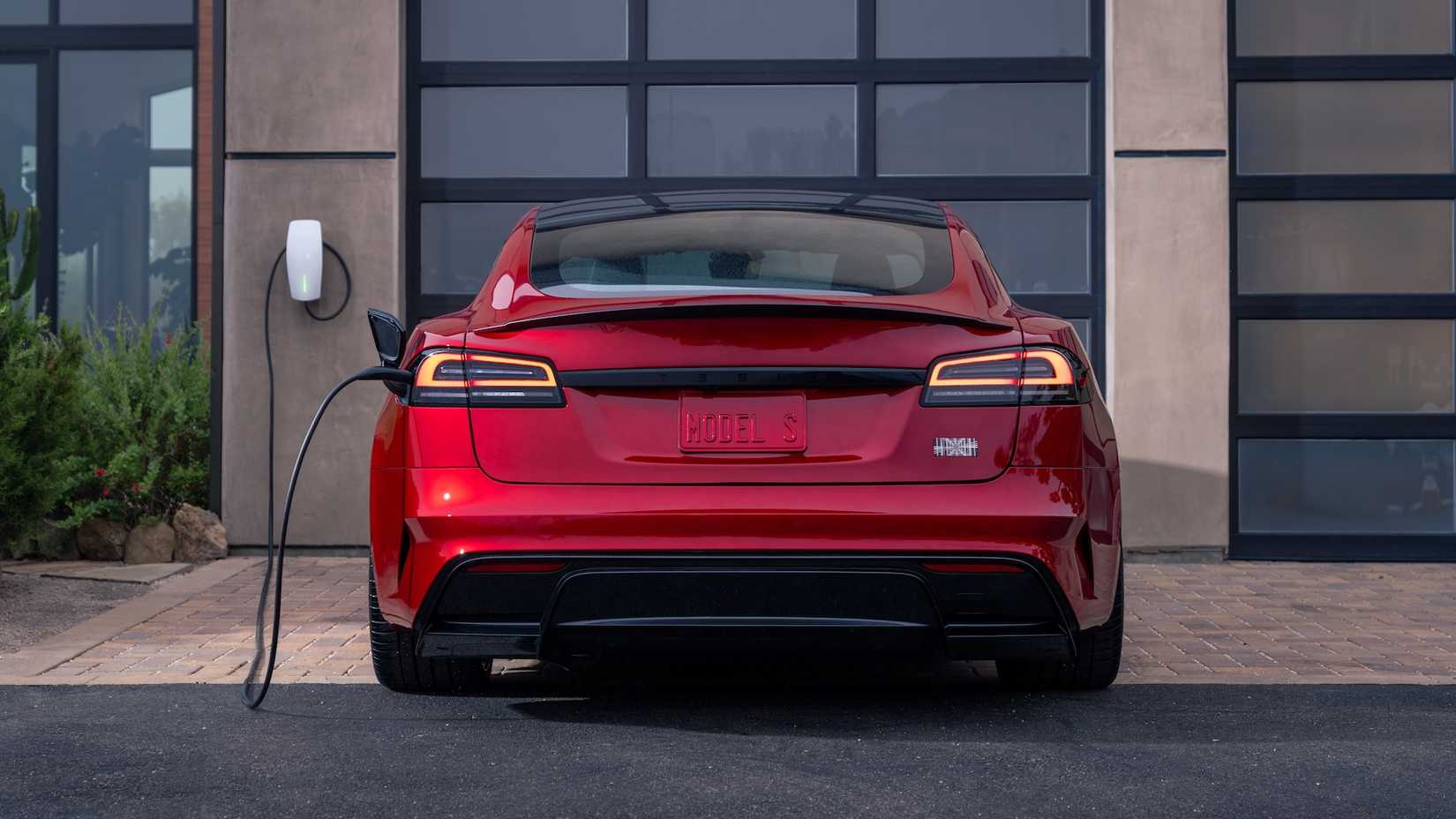
2025 Tesla Model S Plaid rear angle in red while chargingTesla
If the performance characteristics of the Model S were impressive, things went up a notch again when Tesla introduced the Model S Plaid. Now you had a production saloon that could produce over 1,000 hp and this moved it beyond luxury brand competition into the realm of the hypercar. Not only could the Plaid accelerate from 0 to 60 in around two seconds, but more impressively, it was accessible to the general marketplace.
The Model S Plaid became the first affordable street-legal, mass-produced, factory-warranted production car that passed the four-digit horsepower threshold. It went on sale at around the $130,000 mark, but following price reductions later, eager buyers could find one for less than $100,000. Previously, if you wanted 1,000 hp, you’d have to turn to a multi-million-dollar hypercar or invest a lot of your cash in aftermarket builds. Now that performance ladder had disappeared, making serious output accessible to a wider audience.
Rather quickly, Tesla had effectively illustrated how electric drivetrains can scale power more efficiently than ICE ever could. You didn’t need any bespoke materials, exotic engines, or eye-watering price tags to get halo performance. Instead, it all came down to good battery management, electric motor control, and trick software. And today, you can see the ripple effects of these innovations across the industry, with manufacturers chasing ridiculous output figures in their own EV performance flagships.
Base Trim Engine
Electric
Base Trim Transmission
1-speed automatic
Base Trim Drivetrain
All-Wheel Drive
Base Trim Horsepower
1020 HP
Base Trim Torque
1050 lb.-ft.
Base Trim Fuel Economy Equivalent (city/highway/combined)
108/99/104 mpge
Base Trim Battery Type
Lithium ion (Li-ion)
Infotainment & Features
8 /10
Find 2026 Tesla Model S Plaid and more cars for sale on our Marketplace
Autonomy, Rapid Iteration, And A New Development Cadence
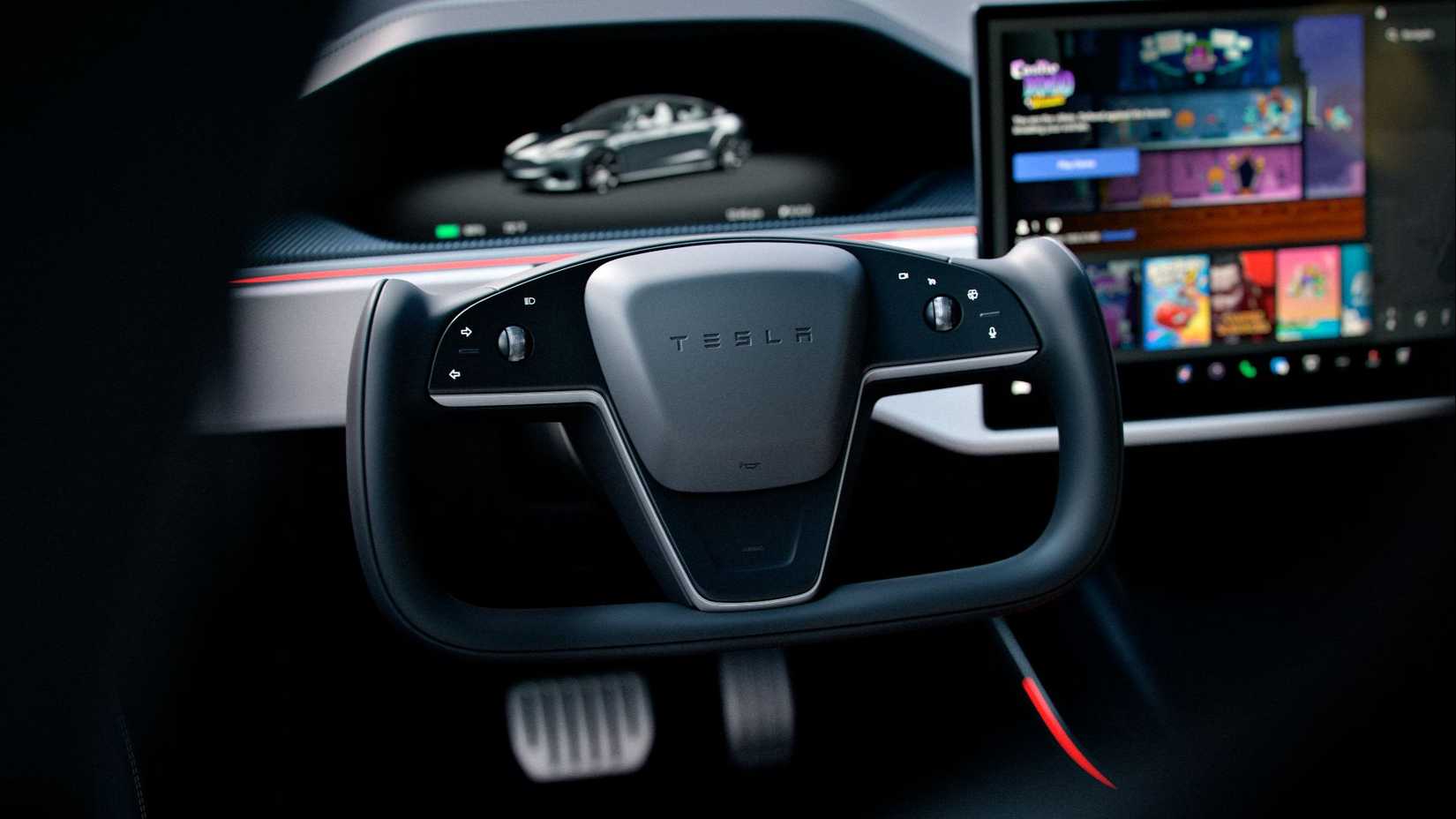
2026 Tesla Model S steering wheel and dashboardTesla
Elon Musk has been pretty outspoken about autonomy, and some of this influence appeared quickly in the shape of Tesla’s Autopilot system. Now, you had semi-autonomous features at scale, as Tesla was able to update them continuously through pushed software. And in many respects, Tesla forced the industry to engage with the idea while people generally saw it as radical or uncomfortable.
Tesla was also anxious to move things forward, challenging traditional validation cycles and often installing sensors before software maturity. The company prioritized real-world data collection, and this approach did tend to attract scrutiny even if it also compressed development timelines dramatically. These days, many major automakers have some form of hands-free driving capability or advanced highway assistance even if we’re still a long way from full autonomy. But the acceleration of the entire segment may still owe a lot to the development of the Model S.
Tesla also abandoned the idea of traditional model year cycles, running a constant process of evolution instead. It would often introduce hardware and software changes mid-production, turning the conventional inventory logic idea on its head. This led to some complex resale expectations in many situations but also allowed the company to improve its products faster than others.
The Flaws, The Backlash, And Why None Of This Diminished The Impact
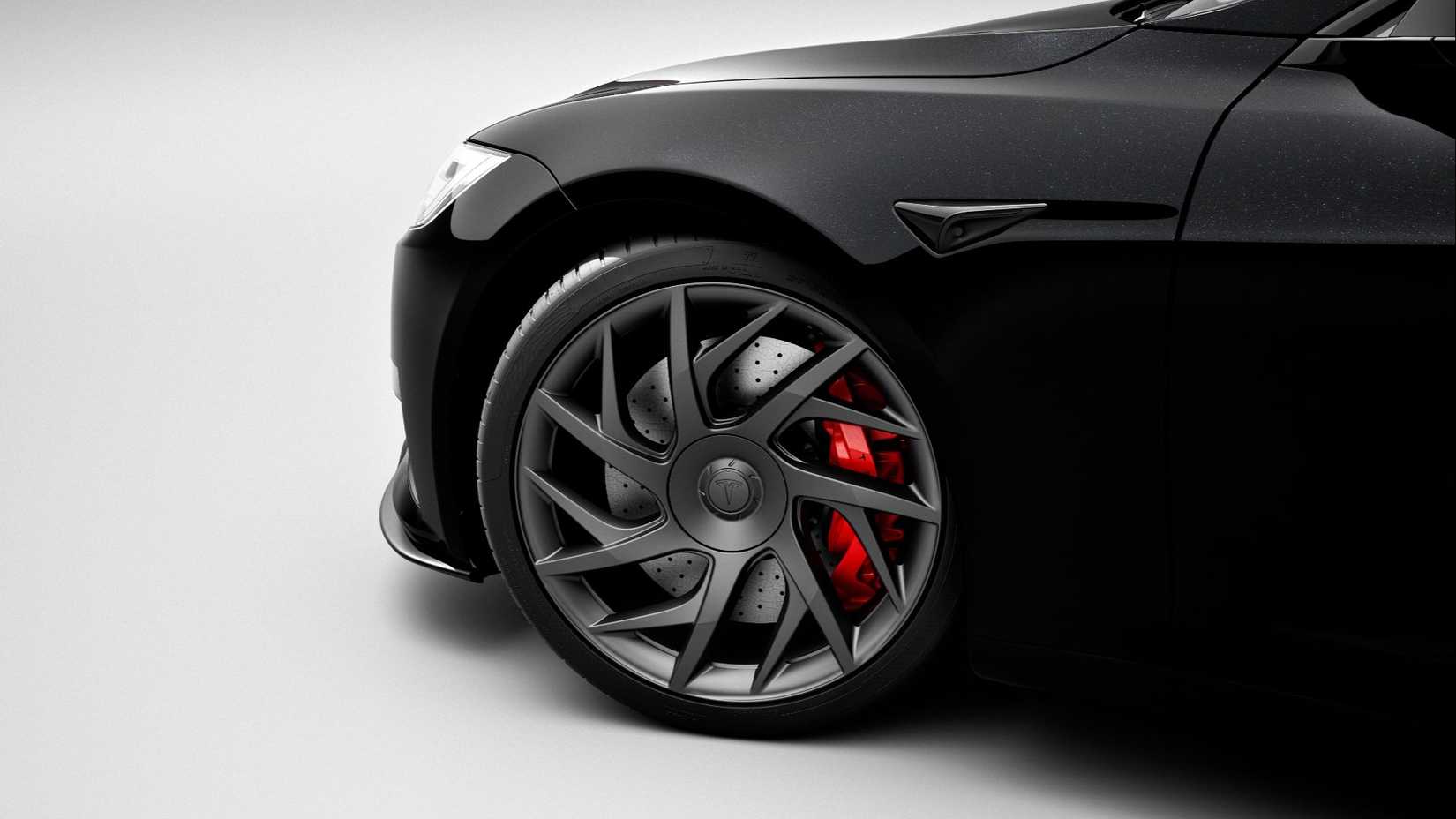
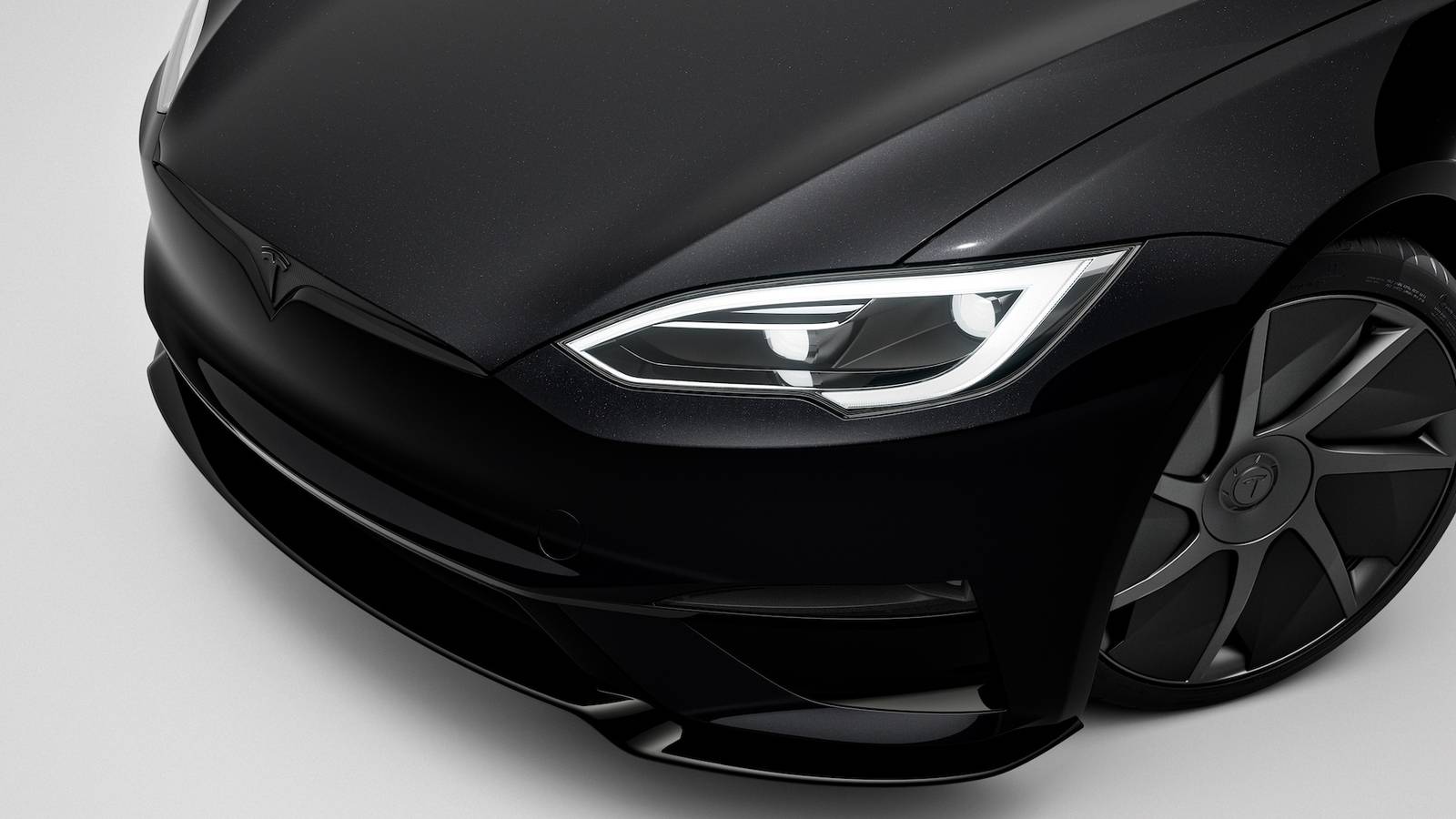
2026 Tesla Model S front wheel and close-upTesla
For all its pioneering attributes, the Model S was still far from perfect. Some early customers complained of build quality issues, such as interior finish snags or inconsistent panel gaps. The company’s service infrastructure might struggle to scale alongside freshening demand, and this didn’t always sit well with owners who may have been accustomed to traditional luxury brand support.
Not everyone liked the minimalist interior for sure, and a lot of people felt that the company was trying to rush towards autonomy far too quickly. But still, if imitation is the sincerest form of flattery, then the Model S stands tall. After all, you can now see plenty of software-defined vehicles featuring over-the-air updates, as well as performance EVs that drive like supercars. Companies are turning to direct-to-consumer sales models and certainly, the idea of a continuous development cycle is no longer seen as crazy.
In the modern era, the early and once-radical ideas surrounding the Model S now seem ordinary, and that level of normalization underscores what is the true legacy of the car. Whether you love it or hate it, the Model S changed the direction of the industry on its way to reinterpreting the future of the automobile.
Sources: Tesla, NHTSA, University of Michigan.