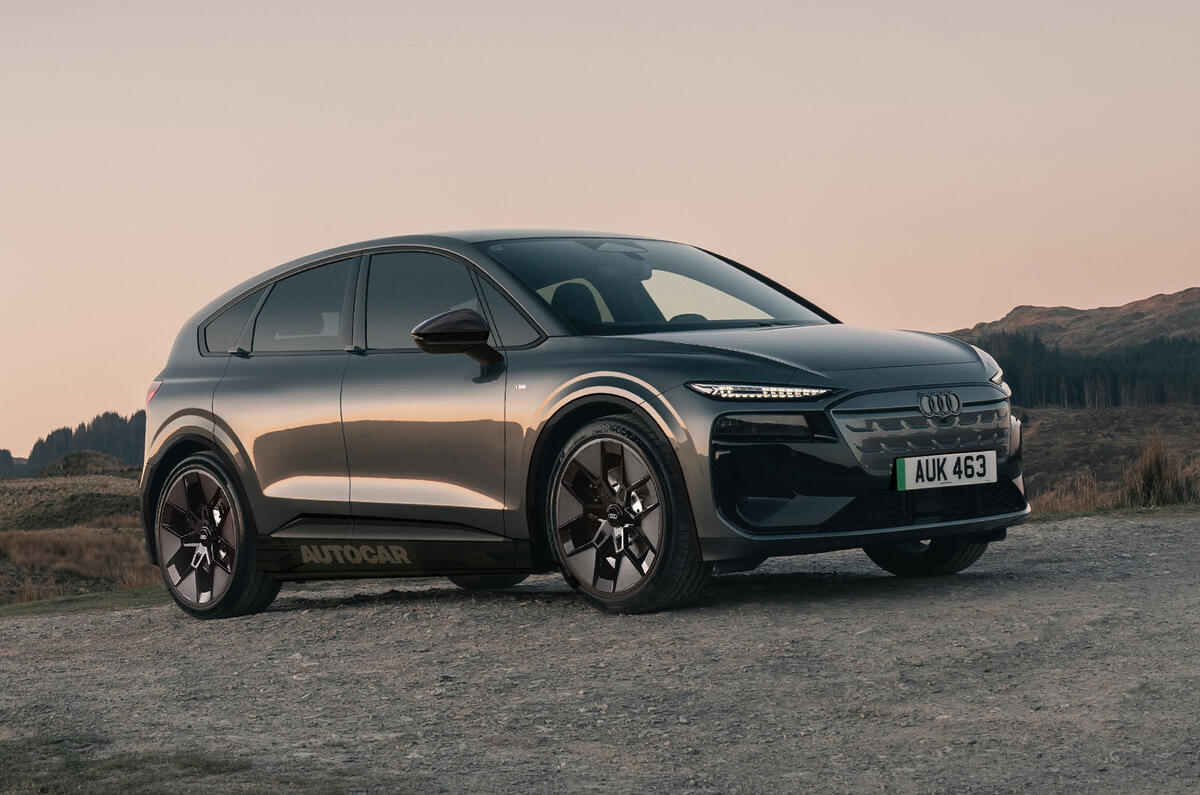
Audi is planning to revive the famous A2 moniker for a new, upcoming electric car, which will form the entry point to the company’s model range.
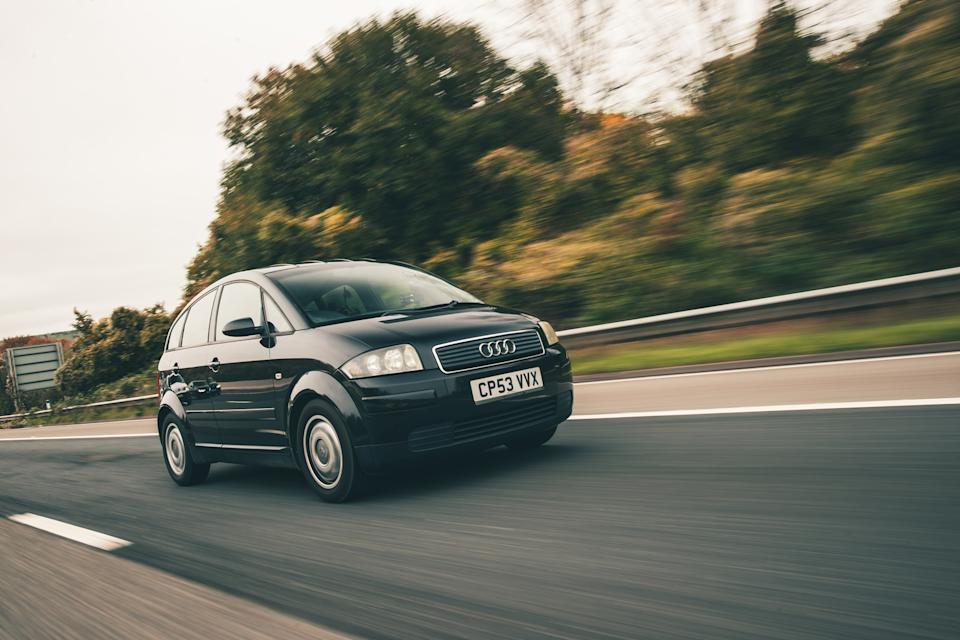
According to senior sources at the company, the new A2 will be revealed before the end of the year, and is seen as an indirect modern-day successor to the original car, which went on sale in the year 2000.
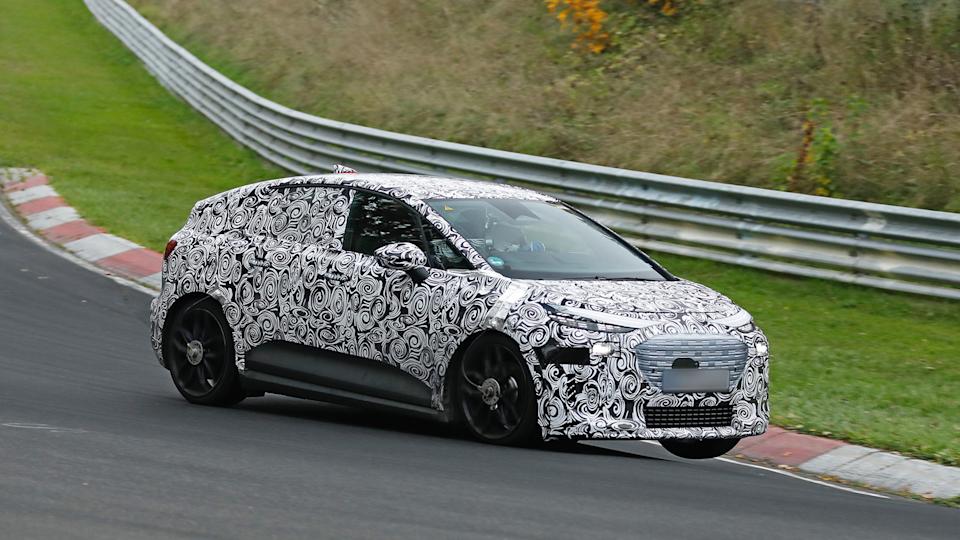
As revealed by test mules, the vehicle will adopt a crossover-style body but retain a single-volume exterior design, including a short bonnet and a split-window tailgate, strongly echoing the appearance of that earlier car.
This new electric car is likely to take the same E-tron suffix as the other models in Audi’s line-up. It’s in the final stages of development with sales planned to begin in early 2027.
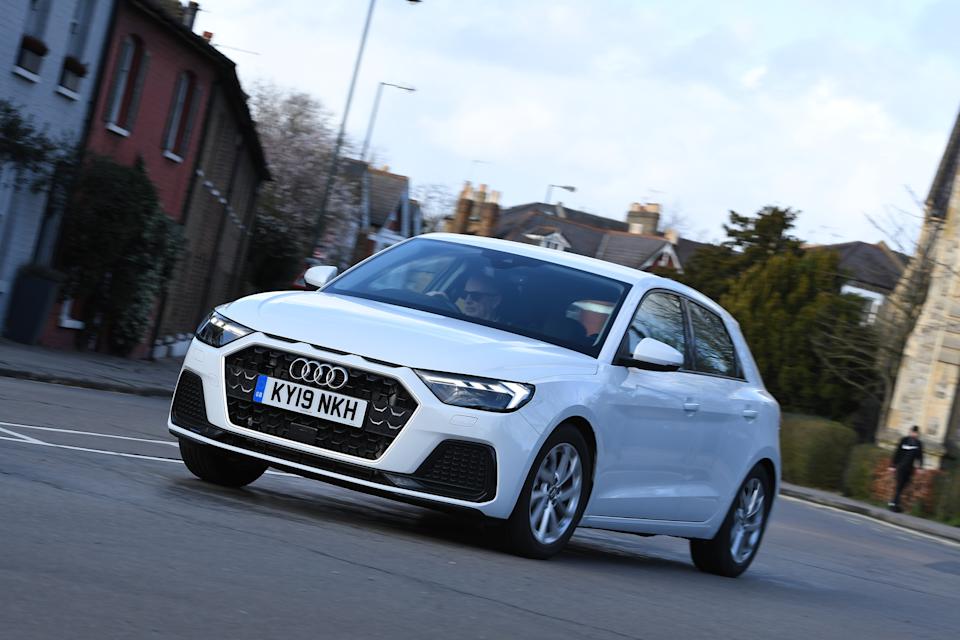
The new A2 will also indirectly replace the Audi A1 hatchback and Q2 SUV, the production of which is due to end in 2026.
It’s also likely to become the company’s most affordable electric car so far, with prices expected to start at around €34,000 (£30,000, $41,000USD). The A2 will be positioned in the line-up below the Q4 E-tron, which has a starting price of £47,000 (€54,500, $60,000). In contrast, the A1 and Q2 models begin at £24,000 (€28,000, $31,000) and £28,000 (€32,500, $36,000) respectively.
The new A2 was initially intended to use the Volkswagen Group’s 800V SSP platform. However, ongoing delays with that architecture mean it will now utilise the same variant of the group’s widely-used MEB platform as the Volkswagen ID 3.
The system uses a 400V architecture with rear-wheel drive, which, in the ID 3, offers battery sizes ranging between 58kWh and 79kWh. Power ranges from 168bhp to 282bhp.
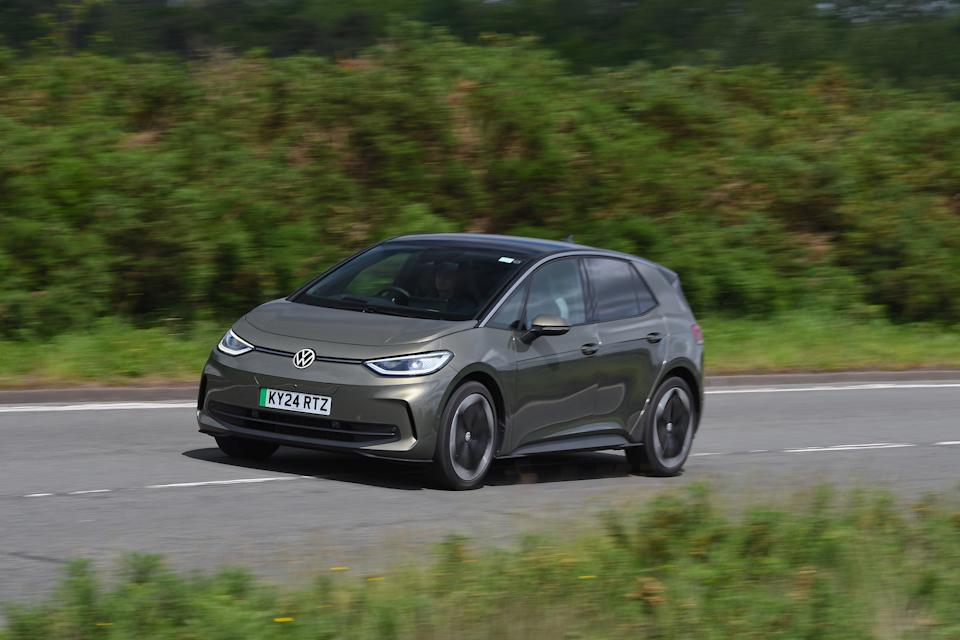
Due to the A2’s more aerodynamic shape, which has been observed on test mules, its range for the top-end model is expected to exceed the ID 3 hatch’s 595km (370 miles).
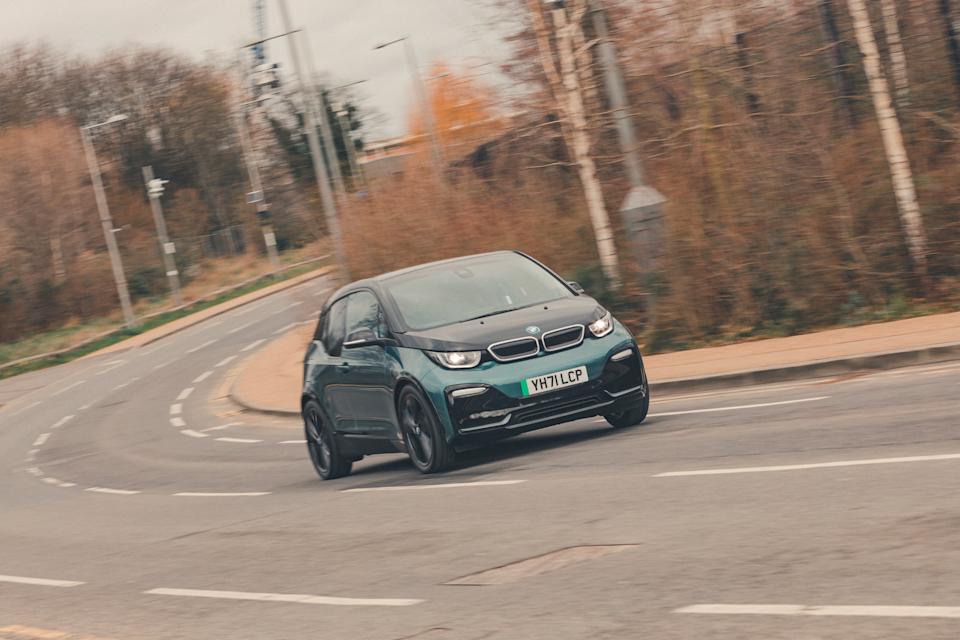
The new Audi A2 is viewed by the company’s engineers not merely as a high-end mini-MPV competing with models such as the BMW 2 Series Active Tourer. Instead, they frame its role as occupying the market space vacated by the BMW i3, which was in production from 2013 to 2022.
Its market positioning and design philosophy are exemplified by the first- and second-generation Mercedes-Benz A-Class, specifically citing their use of the space-efficient flat-floor ‘sandwich’ platform.