China has banned hidden electric car door handles, a feature popularised by Tesla, after they were linked to a series of deadly crashes.
Electric vehicles sold in China will need to be fitted with mechanical release systems on the inside and outside of the vehicle, Chinese regulators confirmed on Monday.
The design changes will be required on new models from January next year. Older models that have already been approved for the market will have until 2029 to change the feature. China is the first country to ban the popular design.
The rules follow a string of reports of crash deaths which have been linked to suspected door failures in electric vehicles. Road safety watchdogs in the US and Europe have been reviewing claims that the designs have left passengers unable to escape from burning vehicles.
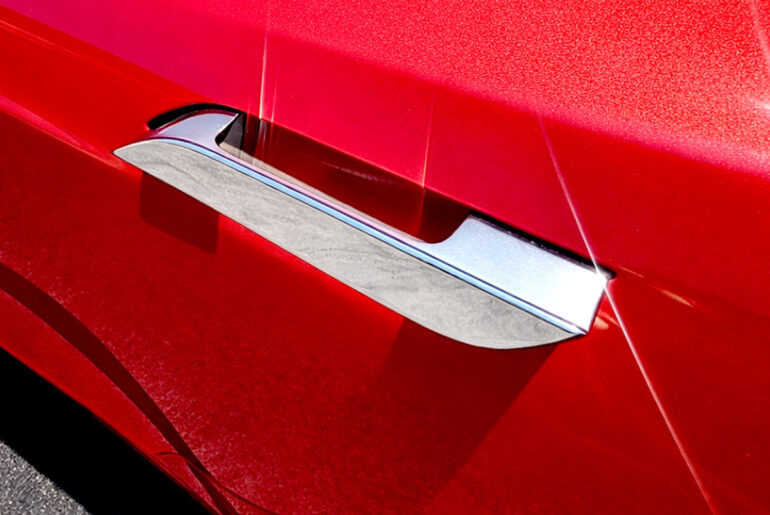
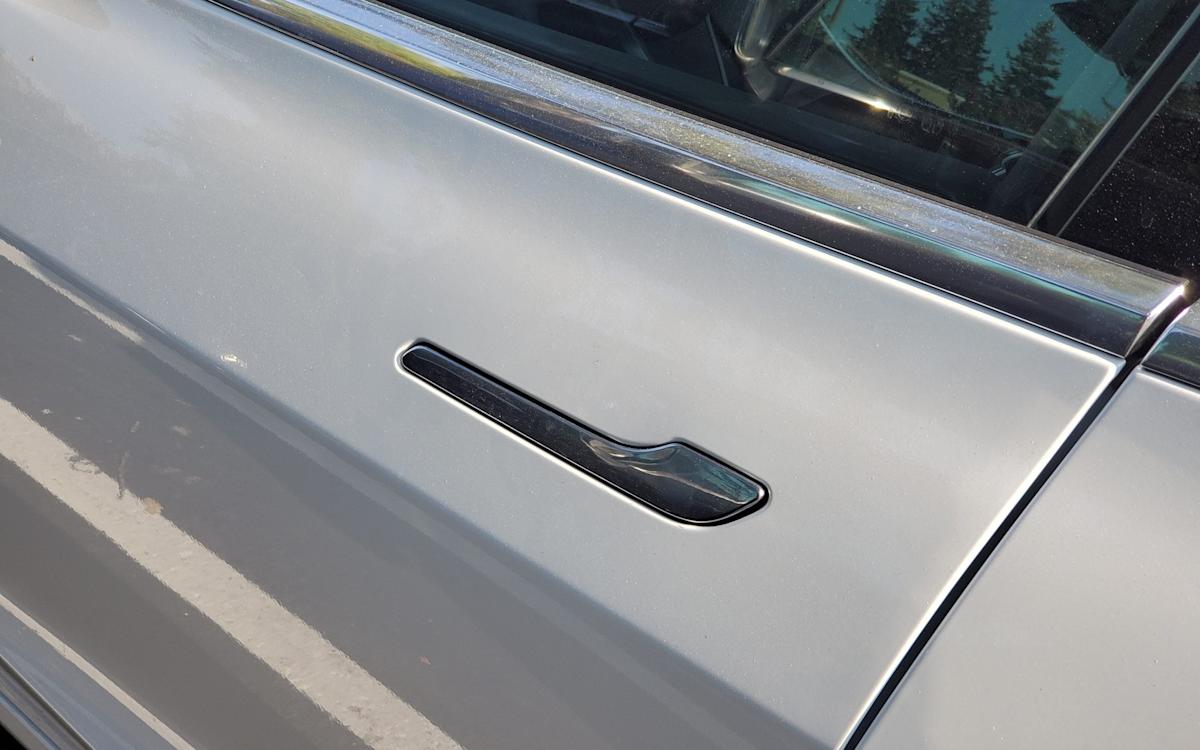
Many modern electric cars feature recessed door releases that only pop out when pressed or activate when a key is nearby. These flush handles were first popularised by Tesla on its Model S vehicle in 2012 – giving its vehicles their sleek, signature look – and have since been copied by rivals.
However, the electric door handles can fail to respond after a crash or if the car’s battery dies. Most vehicles have a back-up mechanical mechanism that can be used in the event of an electronics failure, but this can be hard for passengers or rescuers to find in an emergency.
On some Tesla models, the manual door release consists of a small pulley near the base of the passenger door.
Growing safety concerns
In China, two fiery crashes involving Xiaomi electric cars last year prompted speculation that the passengers had struggled to escape due to the vehicles’ door handles. At the time, Xiaomi did not acknowledge that the incidents involved its electric vehicles.
In October, Tesla was sued over claims that three people had died in a Cybertruck crash when the electric vehicle caught fire and its doors failed, leaving the passengers trapped.
In the US, the highways agency has been investigating whether Tesla’s car door designs have been leaving children trapped in vehicles, forcing their owners to break the cars windows to get them out.
In one incident, a husband and wife were left trapped outside of their car for 15 minutes while their two-year-old was trapped inside in temperatures of more than 38 degrees Celsius.
Tesla does not appear to have commented on the investigation or the Cybertruck lawsuit.
The new rules will initially only apply to China, but the changes are likely to be adopted by carmakers around the world given China’s significant influence over the global automotive market and its share of electric vehicle sales.
New vehicles will be required to have a gap measuring at least 6cm by 2cm that can be gripped on the outside of the vehicle. They must also have clear instructions on the interior of the car on how to open the vehicle, according to Bloomberg.
Tesla has previously said it is looking to redesign its door handles to make them easier to open in a “panic situation”. The carmaker was contacted for comment.