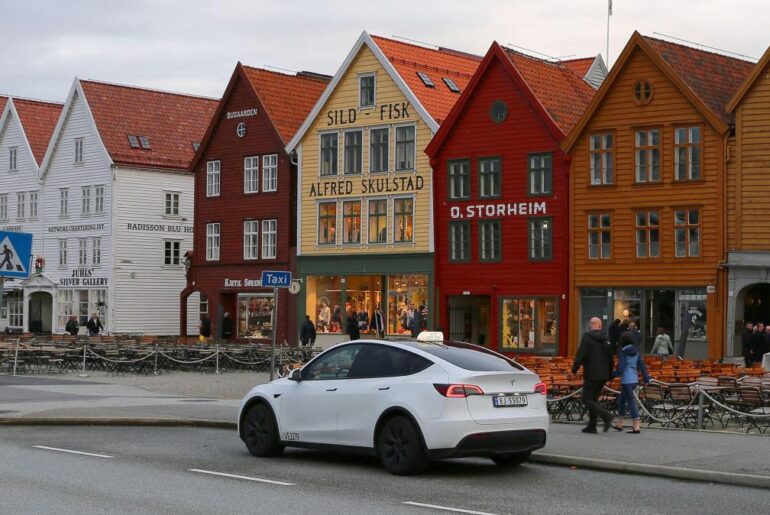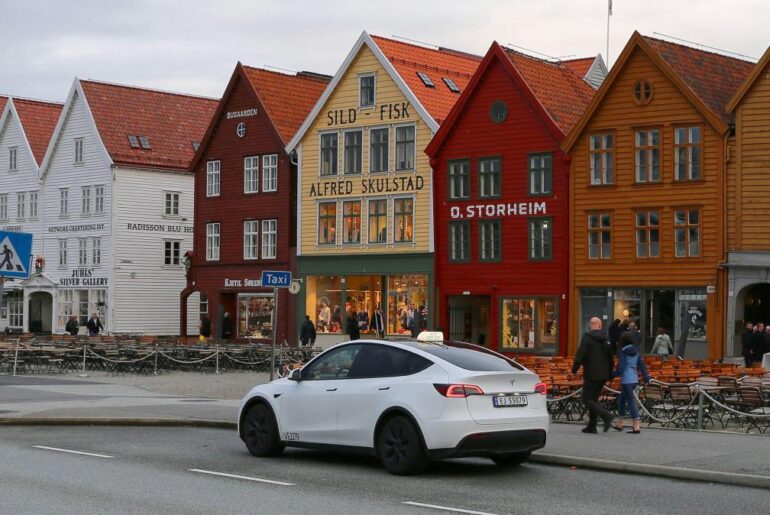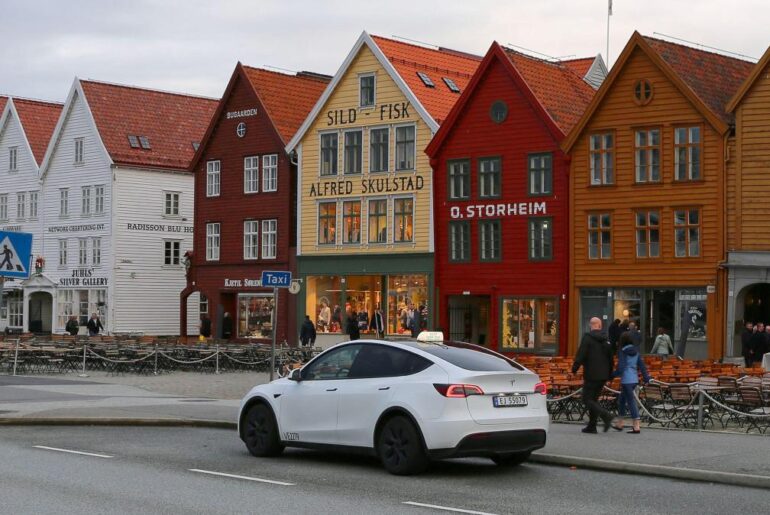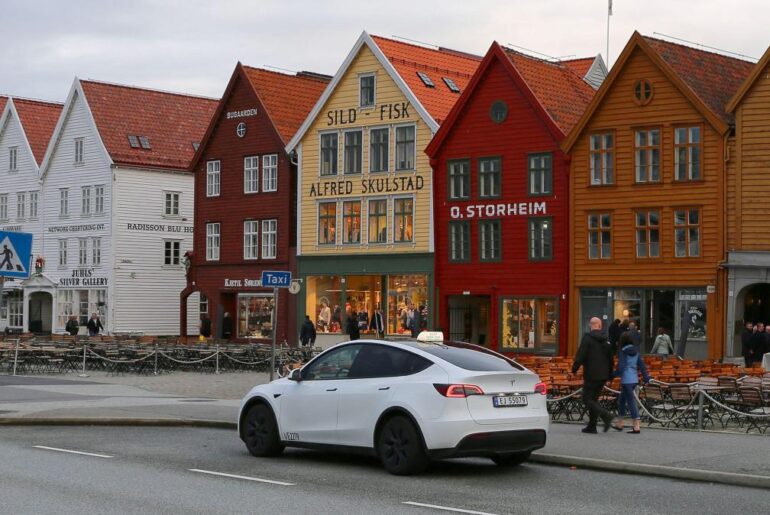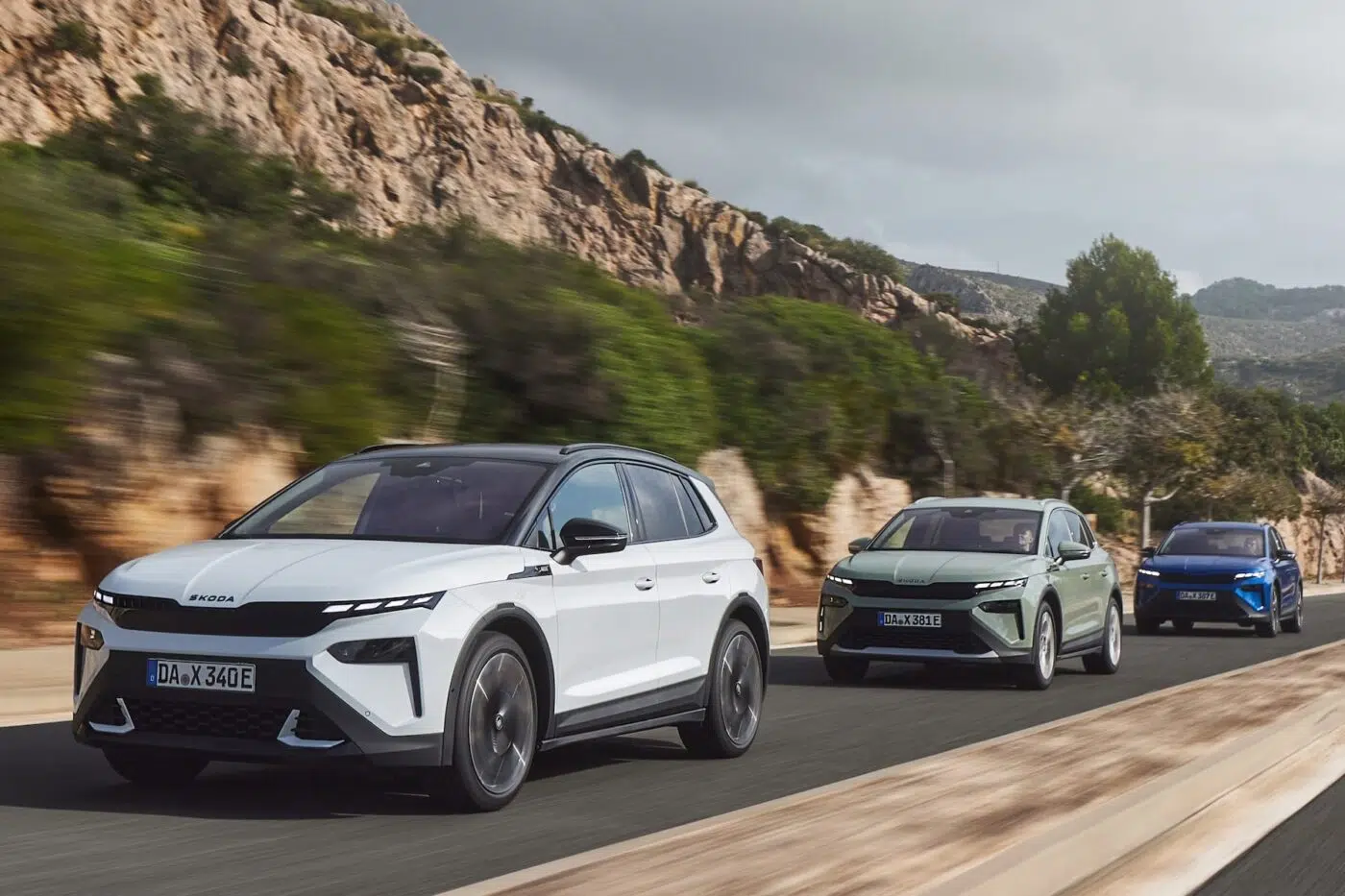
In 2025, electric cars in Europe set a historic record by reaching 19% of new registrations, the highest annual share ever recorded.
This progress reflects a profound shift in consumer preferences and accelerates the transition towards cleaner mobility, putting pressure on manufacturers to meet emission reduction targets.
Sustained Market Growth
According to the International Council on Clean Transportation (ICCT), nearly one in five new cars sold in Europe is fully electric. The registration volume of these vehicles increased by 31% compared to 2024, while the automotive market as a whole grew by just 2.2%. Of the 11 million units sold, more than two million were electric.
This year-on-year growth is the largest since 2021, despite political and economic uncertainty arising from tariff threats and international competition.
Impact on Emissions and Regulations
The expansion of electric vehicles contributed to the reduction of average CO₂ emissions from new registrations, bringing manufacturers closer to their regulatory targets for 2025–2027. The European Union introduced greater regulatory flexibility, allowing emissions to be averaged over a longer period. Although this reduced immediate pressure, it could also slow the adoption of more affordable models.
Nevertheless, battery electric and plug-in hybrid vehicles jointly reached a 28% market share, six points higher than the previous year. Internal combustion engine vehicles lost ten points.
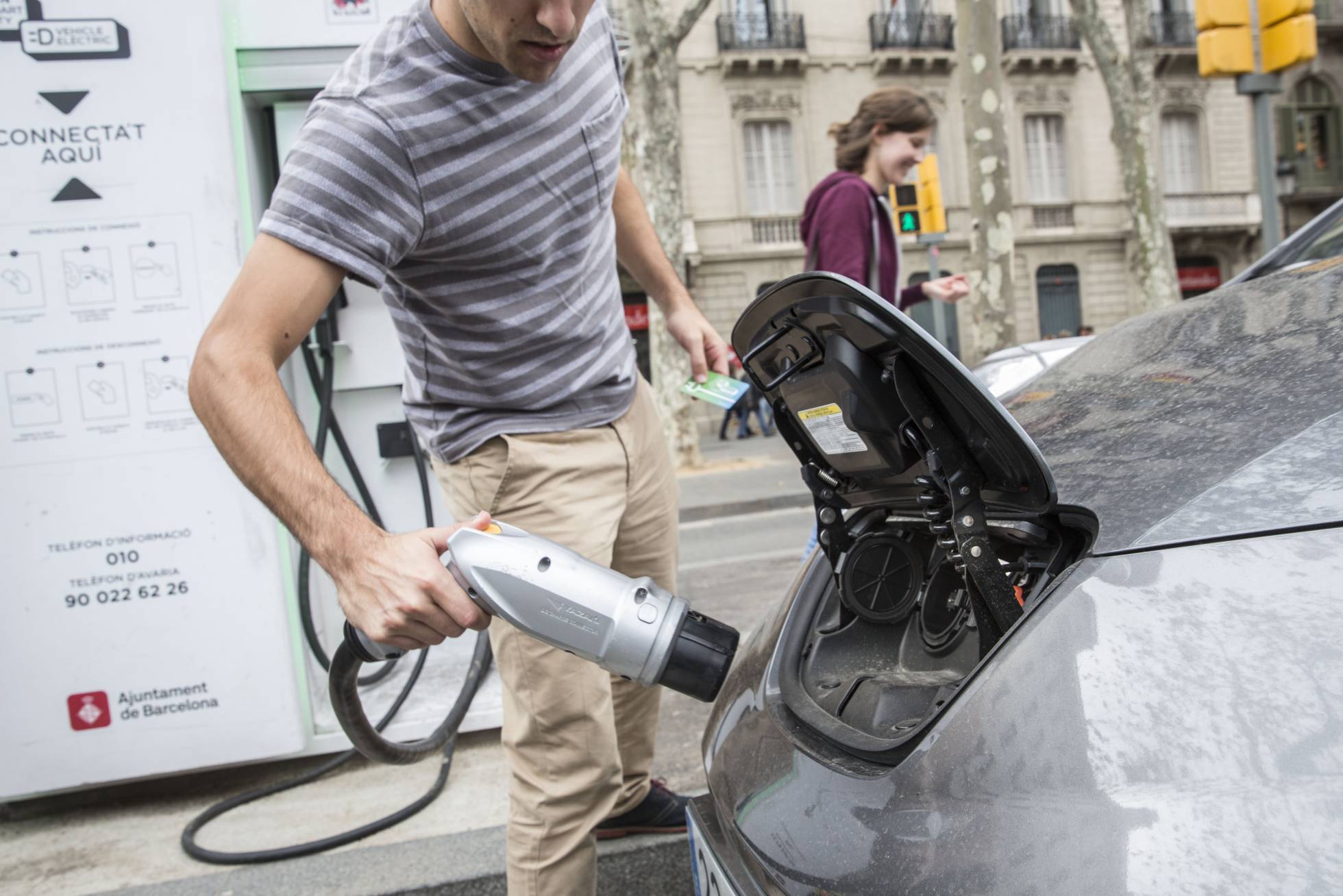 Electric cars reach a record in Europe.
Manufacturers and Market Shares
The five largest European groups increased their share in battery electric vehicles:
Volkswagen: +7 percentage points.
Renault and BMW: +5 each.
Stellantis: +3.
Mercedes-Benz: +0.4.
While BMW and Mercedes-Benz already meet their CO₂ targets two years in advance, Volkswagen remains the most lagging.
Infrastructure and Leading Countries
By the end of 2025, Europe had 1.14 million public charging points, nearly four times more than in 2020.
Nordic countries and the Netherlands: exceeded a 50% electric market share.
Germany and France: reached 30% and 27% respectively.
Italy and Spain: advanced with 12% and 20%.
In battery electric vehicles, Spain, Italy, and Poland remained below 10%, but recorded strong growth in volume: +77%, +46%, and +163% respectively.
Challenges and Opportunities
Although barriers such as the high initial purchase cost and the need for more efficient batteries persist, the trend indicates that electric vehicles are consolidating as the main option. ICCT researcher Sonsoles Díaz stated:
“Electric vehicles are no longer a niche segment, and consumers are responding to the market offering.”
Market monitor co-author Michelle Monteforte warned that any slowdown would pose a risk for Europe at a critical phase of the transition, just as manufacturers need to compete more intensely in domestic and export markets.
The record sales of electric cars in Europe in 2025 mark a turning point in sustainable mobility. With more infrastructure, greater supply, and increasingly receptive consumers, the continent is moving towards a future where electric vehicles will cease to be an alternative and become the norm.