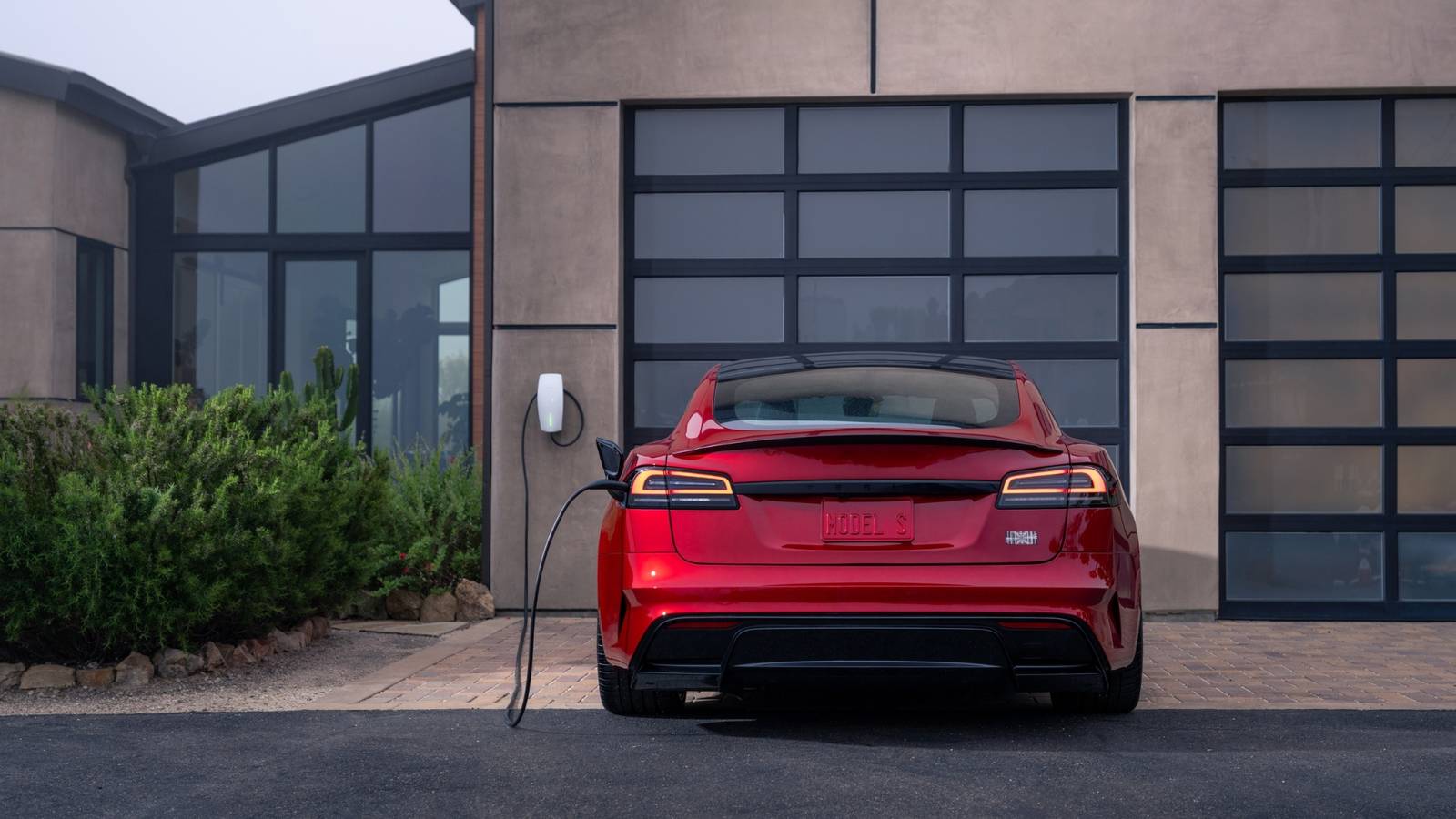
The Tesla Model S’s journey is coming to a sudden end. This sleek sedan and its crossover sibling, the Model X, are the oldest vehicles in Tesla’s current lineup. They are both set to be axed after the 2026 model year, leaving the Model 3, Model Y, and Cybertruck to make up the company’s production output.
Tesla’s first model after the Roadster, and the one that launched the company into the mainstream, the Model S was also responsible for several other major changes in the car world. During 13 years on the market, the Model S has helped revolutionize the automotive landscape, making EVs accessible to the wider public and normalizing their presence on American roads and beyond. Here are 10 ways the Model S had an impact on the auto industry.

Base Trim Engine
EV
Base Trim Transmission
Automatic
Base Trim Drivetrain
All-Wheel Drive
Base Trim Horsepower
670 HP
Base Trim Battery Type
Lithium ion battery
Infotainment & Features
8 /10


Find 2026 Tesla Model S and more cars for sale on our Marketplace

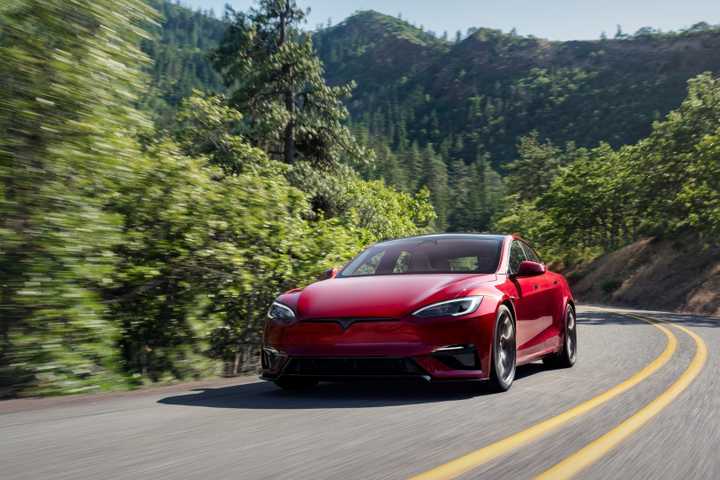
2026 Tesla Model S Specs
Base Model
Plaid
Powertrain
Two electric motors
Three electric motors
Horsepower
670 hp
1,020 hp
0-60
3.1 seconds
1.99 seconds
Drivetrain
AWD
AWD
Driving Range (est.)
410 miles
368 miles
It Helped Make EVs Mainstream
The launch of the Model S was the catalyst for a monumental shift in the automotive market, both in the US and in the rest of the world. The Model S proved that electric vehicles could be just as practical, stylish, and popular as any other car. Around the time of its release, EVs were still considered just one of the many potential future alternatives to fossil fuels. After it hit the market, however, electrification was truly cemented as the way forward for the automotive industry.
What Tesla refers to as “legacy automakers” quickly jumped onto the trend, releasing their own electric vehicles and pushing to modernize their lineups. The success of the Model S propelled the whole EV category forward, turning it into a significant portion of the global car market instead of being a footnote.
It Popularized Over-The-Air Updates…
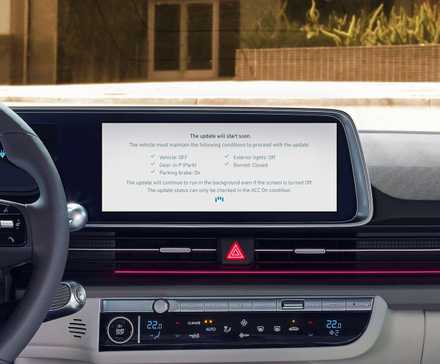
The Model S also helped change the way we think about cars: from objects destined to become increasingly obsolete to constantly evolving appliances, just one update away from keeping up with new models. Infotainment updates, of course, existed before the Model S, but usually required a physical connection to an external device, such as a laptop or tablet.
The Model S helped popularize over-the-air updates, a technology that allows a wirelessly connected car to download and install updates remotely without requiring a laptop or going to a dealer. This allowed owners of older cars to update their vehicles at their convenience, in their own driveway, staying ahead of the curve with the latest software on board.
Related
The Most Extreme Over-The-Air Updates Made To Cars
The biggest upgrades you can make to a car using a Wi-Fi connection.
…And The Subscription Model
The arrival of over-the-air updates in the Model S also brought about another, highly controversial, form of innovation: the subscription model. The basic principle is that drivers subscribe to optional features on their car instead of buying them outright when purchasing the vehicle. Most functions that can be activated or deactivated remotely, such as navigation or remote start, could be marketed as a subscription.
One example of a subscription feature that became especially controversial was BMW’s heated seats. The German automaker was forced to drop the heated seats subscription after consumer backlash. However, the subscription model also has some benefits, such as flexibility. It’s all about individual choice; even Tesla itself offers the option to buy some features outright, or subscribe to them instead.
Related
Why BMW Was Right To Make You Pay A Subscription For Heated Seats
The subscription model for car features attracted a lot of backlash, but could it be more successful than we thought?
It Pushed Autonomous Driving Tech Forward
When the Model S was launched, autonomous driving tech was light-years behind where it is today. Tesla made it clear that one of its goals was to achieve autonomous driving in the near future. The Model S served as the first platform for the various ADAS (Advanced Driver Assistance System) features Tesla introduced over the years, including the slightly misleadingly named “Full Self Driving.”
Although we’re still not quite there yet, autonomous driving technology has made significant progress over the past decade and is likely to have a major impact on the future. The launch of the Model S was instrumental in the development of this tech, which is already having a major impact on the automotive world (and beyond) and is set to change it even further in the years to come.
It Helped Battery Technology Make Leaps Forward
Autonomous driving is not the only technology the Model S propelled forward over the course of its lifespan. Battery technology has also moved a lot further ahead, partly thanks to Tesla’s influence.
The car’s popularity with the public proved to the rest of the industry that EV technology was worth researching and investing in. As a result, automakers and battery manufacturers began to focus on building vehicles that could go farther, eliminate range anxiety, and deliver better performance. Today’s EVs have longer driving ranges than ever.
It Jump-Started The Biggest EV Brand In America… And, Until Recently, The World
The Model S may have revolutionized the automotive industry, but before it did that, it kickstarted the company that built it: Tesla. The Model S was Tesla’s second production vehicle after the Roadster. Rather than a niche product, the Model S had a large production run and was sold in many different geographical regions, turning Tesla into a global corporation and a household name.
The company is the biggest seller of EVs in the US, and held the title of world’s largest EV maker for several years. Its crown was only taken away a few weeks ago, when the Chinese manufacturer BYD surpassed it, selling 2.25 million vehicles in 2025, while Tesla sold 1.64 million.
The Plaid Version Pushed The Limits Of EV Performance
The base Model S may have been revolutionary enough on its own, but the high-performance Plaid version, which arrived as part of a 2021 update, was even more exciting. This high-powered Model S used a tri-motor setup, rather than the dual-motor setup on lesser grades at the time. It was also the first Tesla and one of the first mainstream cars to break the four-figure power output barrier, clocking in at 1,020 hp.
Although it started at $129,990, its price dropped sharply within a couple of years. The 2023 model was offered with a starting price of $89,990, making it the first car with an output over 1,000 hp to be sold for less than $100,000.
It Led To The Creation Of The Supercharger Network
The popularity of the Tesla Model S and Tesla’s subsequent rapid expansion have led to the creation of something even non-Tesla owners have benefited from: the Supercharger network. This large network of fast chargers was initially only available to Tesla owners. However, in recent years, it has been expanded to support EVs from several other brands.
Although there have been a few teething issues along the way, the Supercharger network’s expansion is set to make millions of drivers’ journeys faster and more convenient. The Model S’s arrival on the market and Tesla’s growth as a company have played a major part in the introduction of widespread charging infrastructure in both the US and the rest of the world.
It Helped Introduce The Direct-To Consumer Sales Model
One of Tesla’s goals, with the Model S and beyond, was not just to reinvent the car itself but also to reimagine how we buy and sell cars. For several years, the car market lagged behind most other areas of retail. It clung to a more traditional sales model, involving dealerships and face-to-face interaction with salespeople. Dealers had a large amount of control over the whole process, acting as a firmly entrenched middleman between the customer and the automaker.
The direct-to-consumer sales model, which Tesla and the Model S helped usher in, removes that part of the equation, allowing customers to interact directly with the brand through digital means or physical DTC stores.

Related
Why Dealers Are Opposed To Direct-To-Consumer Sales
More car companies are embracing the DTC sales model, but not everyone is happy.
It Set The Blueprint For The Design Of Other Tesla Models
Teslas are very easy to distinguish from anything else on the road, even to the untrained eye. Their unique design language blends familiar elements, which call back to the world of legacy automakers, with futuristic ones that mark their cars out as different. The absence of a grille, now adopted by several other EVs, creates an immediate visual distinction from combustion-powered cars. The lines are smooth, sleek, and minimalistic, both outside and inside the car. Smooth surfaces and large touchscreens dominate the interior.
The Model S’ approach to design also found its way into Tesla’s subsequent cars and SUVs (the X, 3, and Y), creating a lineup that is visually coherent while still maintaining individual characteristics for each vehicle.
Sources: Tesla, EVisionSales, Consumer Reports, European Autowerks