CATL claims fast charging can be routine without wrecking long-term battery health.
The extra durability comes from new materials in the battery cell and smarter thermal management.
We don’t know when it will reach production, who will use it or what it will perform like in real-world conditions.
When browsing used electric vehicles, you may have noticed that cars advertised as never having been fast-charged command higher prices. EV batteries tend to lose capacity at an accelerated rate if they see frequent DC fast charging and replacing the entire pack runs into the tens of thousands of dollars. But CATL says this is a problem of the past, with its new batteries, which it says will outlast the vehicle, even if it’s regularly fast-charged.
CATL says its new 5C batteries will retain 80% of their capacity after 1,400 charge-discharge cycles at 140°F (60°C). With a theoretical range of 372 miles (600 km) per cycle, that works out to a total of 522,000 miles (840,000 km) in what CATL describes as “Dubai summer heat.”

At a milder ambient temperature of 68°F (20°C), which is closer to the ideal operating temperature for lithium-ion batteries, CATL says the battery will retain at least 80% capacity after 3,000 cycles or 1.12 million miles (1.8 million km). The battery giant says this is six times better than the current industry average (although it doesn’t say what that is), concluding that such a battery will outlast the car it’s in.
These improvements were made possible by a “dense and uniform” cathode coating that reduces degradation, adding a repair additive to the liquid electrolyte meant to seal cracks and reduce lithium loss and special “temperature responsive agents” sprayed on the surface of the separator inside each battery cell that also extend the life of the battery.
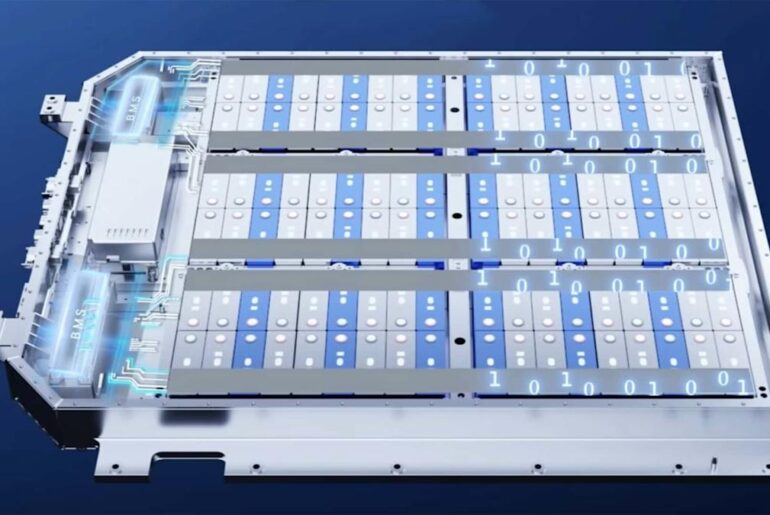
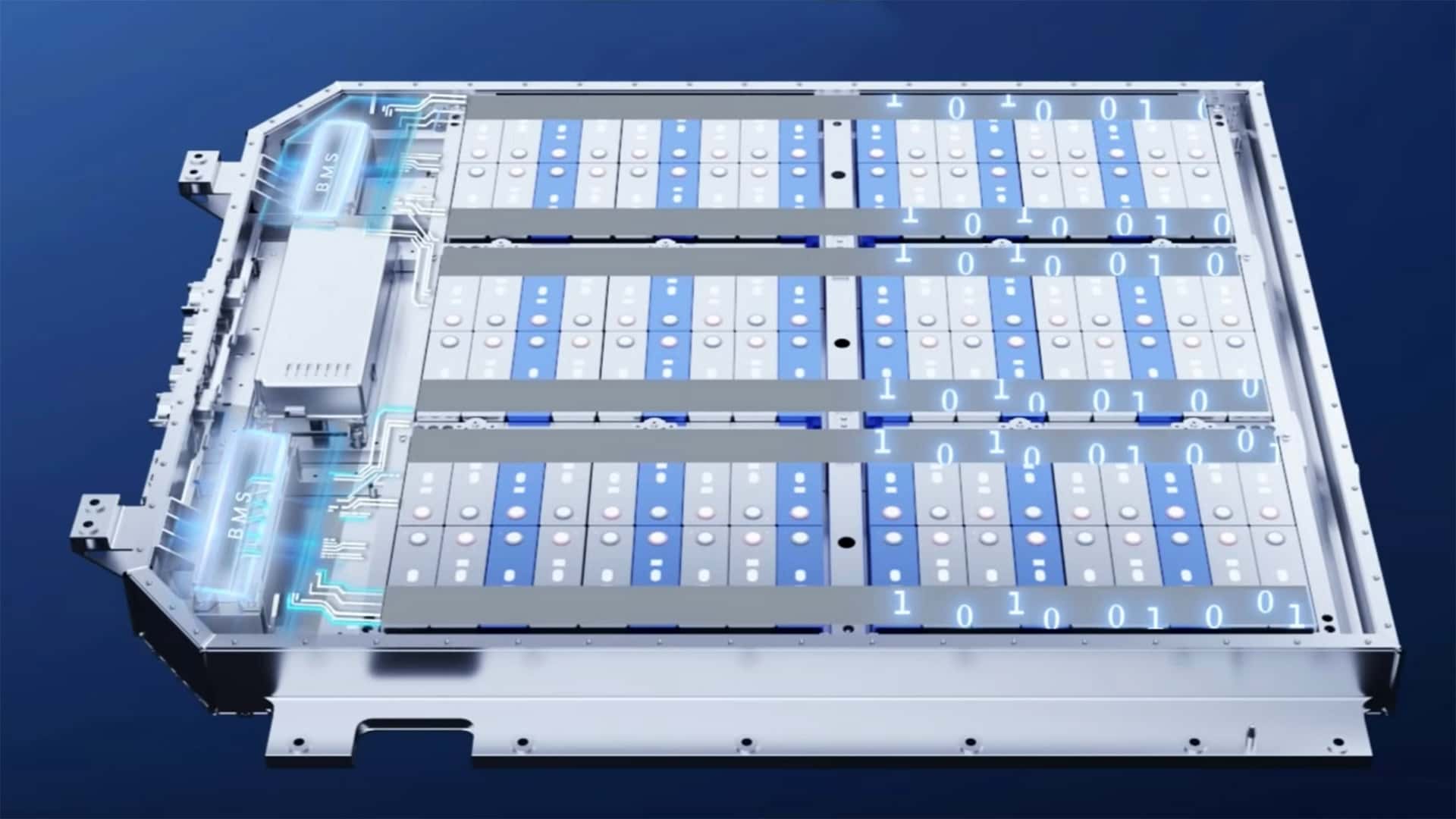
The battery monitoring system (BMS) was also enhanced for this application and can direct coolant to any specific area of the battery pack if it gets too hot. CATL says “significantly lengthens service life” for the entire pack and it makes EV ownership easier and more convenient.
What CATL didn’t say is when these improved batteries will reach production and what commercial application they will be used in. As EV chargers become more powerful (some exceed 1,000 kilowatts, or 1 megawatt, in China), batteries must keep up and not be as limiting a factor as they are today—what’s the use for megawatt charging if using it kills your battery?
What will ultimately spell the demise of the combustion passenger car will be charging times that are even lower than the quickest EVs can manage today (although some can charge in just 5 minutes, it needs to become even quicker). The 5C charging touted here by CATL basically means you multiply the capacity of the battery pack by five to calculate the peak charging power, so for a 100-kilowatt-hour pack, that would be 500 kilowatts, which should be enough for a full charge in around 12 minutes.
CATL didn’t say whether this new breakthrough is linked to the others it announced in the last few years, like sodium-ion batteries that work very well in low temperatures.
We want your opinion!
What would you like to see on Insideevs.com?
– The InsideEVs team