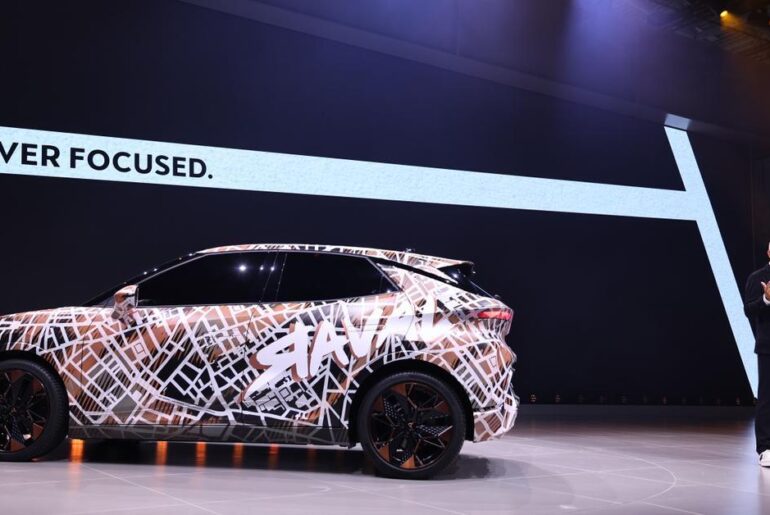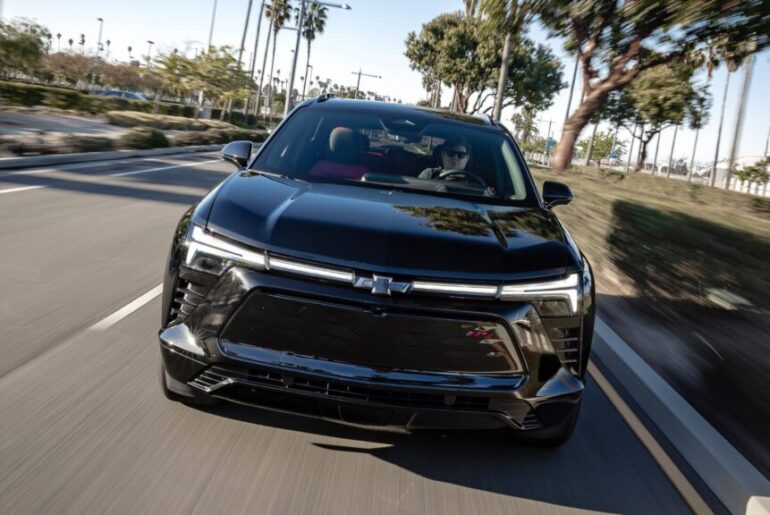
British car dealers are being forced to discount electric vehicles more heavily than their German counterparts as the UK sticks to an accelerated switch to zero-emission vehicles.
Yet what may seem a boon for bargain hunters risks backfiring as electric used cars depreciate in value more quickly than hybrid, petrol or diesel models.
Analysis of European car prices reveals that the average discount offer in January in the UK was 12.8 per cent, compared with 10.2 per cent in Germany, Europe’s biggest car market.
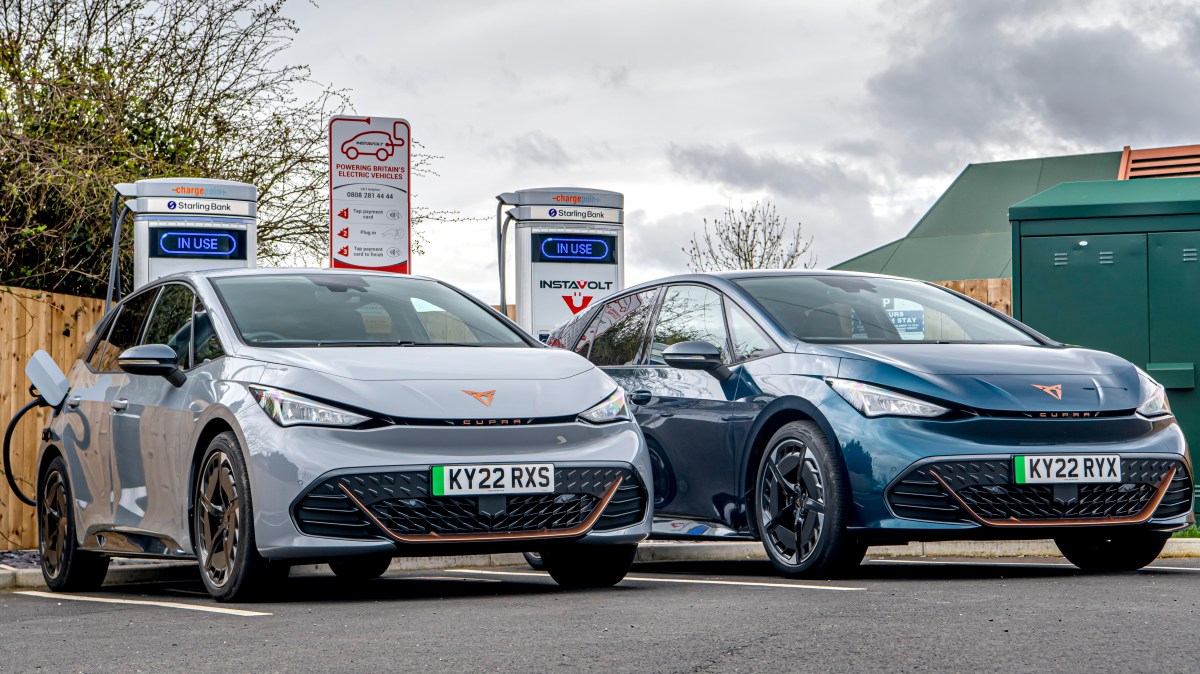
The model with the biggest discount in the UK was the Cupra Born, with dealers offering an average of 26.5 per cent off the sticker price of the EV. The Dacia Spring was in second place with an average 23.5 per cent discount, followed by the Volkswagen ID.4, which attracted reductions of 21.8 per cent, according to a report by analysts at HSBC bank.
• Has the big drive to electric cars run out of energy in the UK?
This may not necessarily translate into savings for British motorists, however.
HSBC found that the average price of a used EV was down 7.4 per cent year on year at £24,029, while plug-in hybrids were a more modest 4.5 per cent lower, and diesels were 2.7 per cent down. Petrol used-car prices, by contrast, were up 1.5 per cent.

The average discount on the Dacia Spring in January was 23.5 per cent
JOHN KEEBLE/GETTY IMAGES
With about half of UK car sales done on leases and the other half part-financed, used-car values play a pivotal role in the cost to motorists.
“Where the carmaker cuts list prices to make the vehicle attractive for customers, if the projected residual value of the vehicle goes down by the same amount, there is no benefit to the customer,” analysts explained.
The UK has pledged to ban the sale of new petrol and diesel cars in 2030, and mandated that a minimum percentage of total sales are electric vehicles. The quota increases annually: this year it is 33 per cent; by 2030 it will be 80 per cent; and then it will be 100 per cent in 2035, when sales of new hybrid vehicles are outlawed. Failure to hit the quotas triggers a fine of £12,000 per car.
In her budget in November, Rachel Reeves announced plans for an EV pay-per-mile scheme starting in 2028, further diminishing demand for zero-emission vehicles. The government did, however, reintroduce grants of up to £3,750 on selected EVs.
• New EV tax ‘will put off nearly half of potential buyers’
The European Union has set a less aggressive target than the UK, with a ban on sales of new petrol and diesel cars not due to come into force until 2035. Brussels watered this down late last year so that 10 per cent of cars could be petrol or diesel engines beyond 2035.
The policy dichotomy between the UK and the EU matters because 77.5 per cent of British-made cars are exported and of this more than half are bound for EU states, according to recent figures from the Society of Motor Manufacturers and Traders (SMMT)
“New electric cars are being sold in the UK at a far larger discount than on the Continent, primarily because Britain has opted for the most aggressive switch to zero-emission vehicles. Discounts of this size are uneconomic and estimated by the SMMT at £11,000 a car — just below the fine level,” said Robert Forrester, chief executive of London-listed dealer Vertu Motors. “Recently announced EV grants are not enough to overcome market reality.”
Forrester has led calls for a rethink on UK zero-emission targets. Bosses widely expect the government to back down and align Britain with the Continent, but ministers have insisted they will not conduct a review of the zero-emission vehicles mandate until 2027.

Robert Forrester: “Demand is not there for the utopian targets that increase each year”
The Vertu boss said: “Demand is not there for the utopian targets that increase each year, adding more pressure on manufacturers and retailers. The new pay-per-mile tax in 2028 exacerbates the issues, reducing EV demand and necessitating even more incentives from the sector. These in turn reduce residual values of EVs and a vicious cycle commences.
“This is why the UK must adjust EV sales targets and reduce fines now so that they reflect underlying demand.”