Mapping out a multi-day journey in an electric vehicle is more than plotting waypoints; it’s about syncing charger availability, connector compatibility, and weather-impacted range. With the right mix of planning apps, hardware hacks, and insider strategies, you’ll swap range anxiety for range confidence and turn every stop into a seamless pit break.
Why a Dedicated EV Road Trip Planner Matters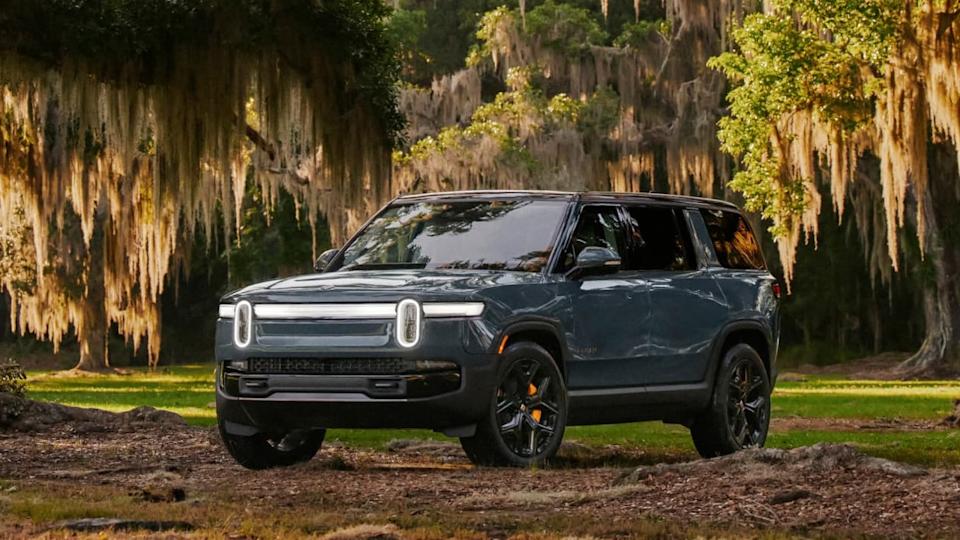
Image Credit: Rivian.
Traditional GPS systems optimize for distance and time, but EV planners layer in charging speeds, plug types, and elevation changes. This specialized approach:
Calculates state-of-charge at each leg, adjusting for payload, speed, and temperature
Filters stations by maximum kilowatts, network uptime, and payment methods
Builds dynamic alternates around offline chargers or low-power locations
Skipping this extra layer of planning can cost you hours in unexpected waits and detours or even leave you searching for your next charge.
Top EV Trip Planning Tools and Apps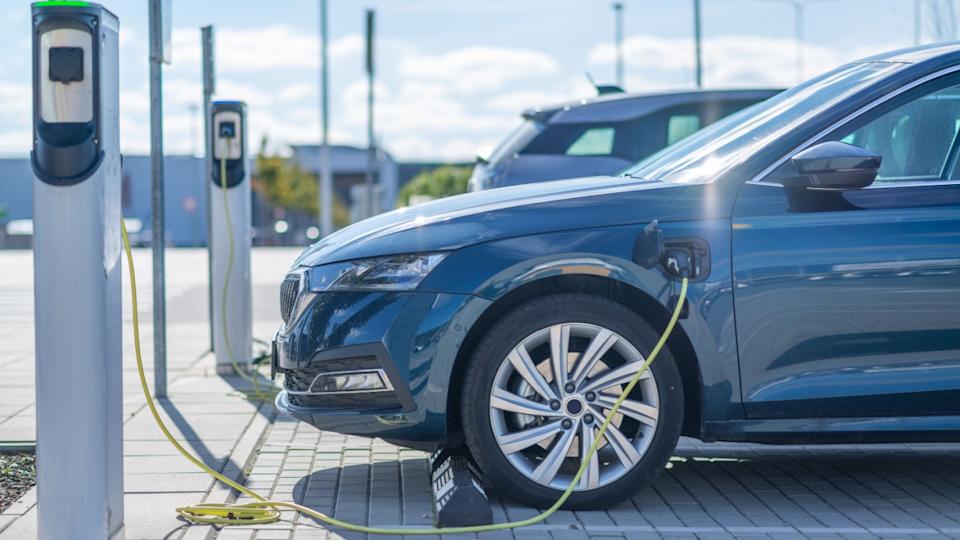
Image Credit: Shutterstock.
A Better Route Planner (ABRP): Industry gold standard for precision. ABRP factors in wind, weight, speed, cabin climate, and elevation to predict arrival SOC within 3%. Community updates fill gaps for remote chargers.
PlugShare: Crowdsources live reviews on station reliability, outlet condition, nearby amenities, and Wi-Fi spots, perfect for choosing the best roadside pit stop.
Chargeway: Uses a simple “color + number” system to match your car to compatible chargers and can show station details like network and pricing where available. Ideal when driving a rental or unfamiliar make.
NextCharge: Under-the-radar in North America, NextCharge taps into independent public and fleet stations you won’t find on larger maps. A valuable backup on rural corridors.
Must-Have Accessories and Hardware
Image Credit: Shutterstock.
Portable Level 2 EVSE: A compact 240 V charger can be a lifesaver for overnight “destination” charging (campgrounds, RV parks, some workplaces). Only plug into outlets you have permission to use, and confirm the outlet/circuit is properly rated for continuous EV charging (common examples include NEMA 14-50 and NEMA 6-50).
Adapter kit: Carry the adapter(s) your car actually needs. Common examples include a J1772 adapter for Tesla/NACS cars and (where supported) an adapter that lets some non-Tesla EVs use Tesla destination chargers. If you drive a CHAdeMO-equipped car (like many older Nissan Leafs), CCS-to-CHAdeMO adapters may exist in some regions—but CCS cars generally can’t “convert” to CHAdeMO with a simple adapter.
Solar-Charged Power Station: A Goal Zero Yeti 400 (with inverter) keeps devices running when the car’s off.
Wireless Tire-Pressure Monitoring System (TPMS): Bluetooth sensors alert you when PSI drifts, helping you keep tires at the recommended pressure for safety and efficiency.
High-Visibility Vest & Roadside Triangle: Required in some countries and still a smart safety item anywhere, especially if you ever need to stop on a shoulder at night.
Pro Tips for a Smooth EV Adventure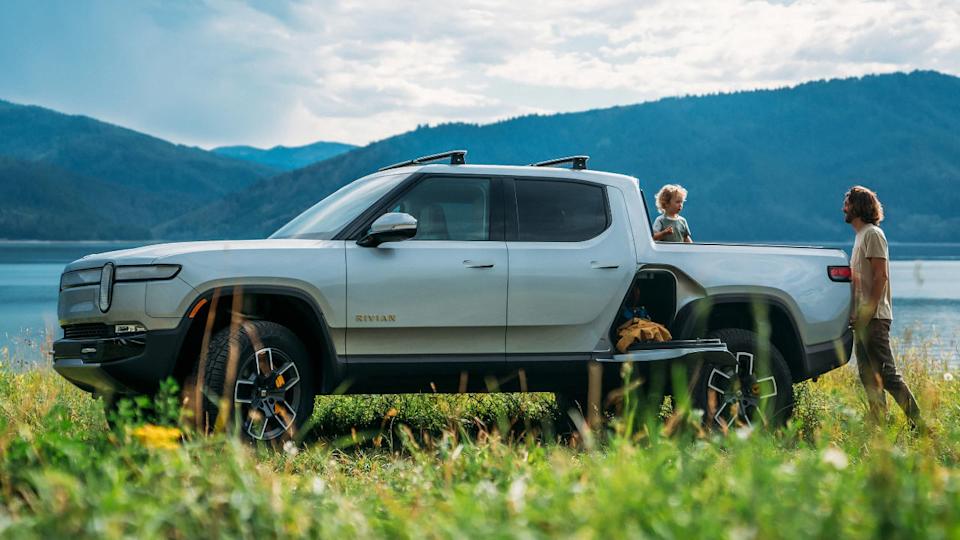
Image Credit: Rivian.
Precondition En Route: Activate battery pre-heating or cooling before arriving at fast chargers to unlock peak rates and preserve cell health.
Charge During Off-Peak Windows: Early mornings and mid-afternoons often mean shorter queues and lower utility fees; plan longer legs to overlap these times.
Always Have a Backup: For each segment, pick a primary and secondary charger, then add a 10% SOC cushion for peace of mind.
Leverage Hotel and Campground Partnerships
Tap Local EV Communities: Join region-specific Facebook groups or subreddits for real-time outage alerts, free destination charger tips, and last-mile advice.
Optimize Climate While Plugged In: Pre-cool or pre-heat the cabin using scheduled climate control to save battery for the drive itself.
Hit the Road with Confidence Juggling apps like ABRP and NextCharge, packing a portable EVSE and adapter kit, and following pro-level tips transforms your next EV road trip from a logistical grind into an electrifying adventure. With smart planning and the right gear, you’ll spend less time watching the SOC meter and more time soaking up the scenery.